

iOS App Development
Swift and SwiftUI, built for the devices your customers actually carry and reviewed against App Store policy before submission rather than after a rejection.
[Houston, TX]
We build mobile software for Houston companies — energy, healthcare, logistics and the startups around them — from an office on Main Street rather than from a time zone away. Same engineers from scope to release, and the code is yours at the end of it.
Six things Houston clients ask us for most often. Each one is a team that has shipped it before, not a capability we are standing up for the first time on your project.
Swift and SwiftUI, built for the devices your customers actually carry and reviewed against App Store policy before submission rather than after a rejection.
Kotlin, Jetpack Compose and the unglamorous work of making an app behave on a mid-range handset three years old — which in most markets is the median device.
Flutter or React Native where one codebase is genuinely the right answer, and a straight recommendation when it is not. The choice is made per product, not per vendor.
SSO, audit trails, role models and the migration plan that gets people onto the thing. Enterprise software fails on integration and rollout far more often than on features.
The smallest version that can be put in front of real users and learned from, with the architecture underneath it able to survive being right.
OS releases, store policy changes, dependency upgrades and the on-call path — the work that decides whether an app is still worth having in two years.
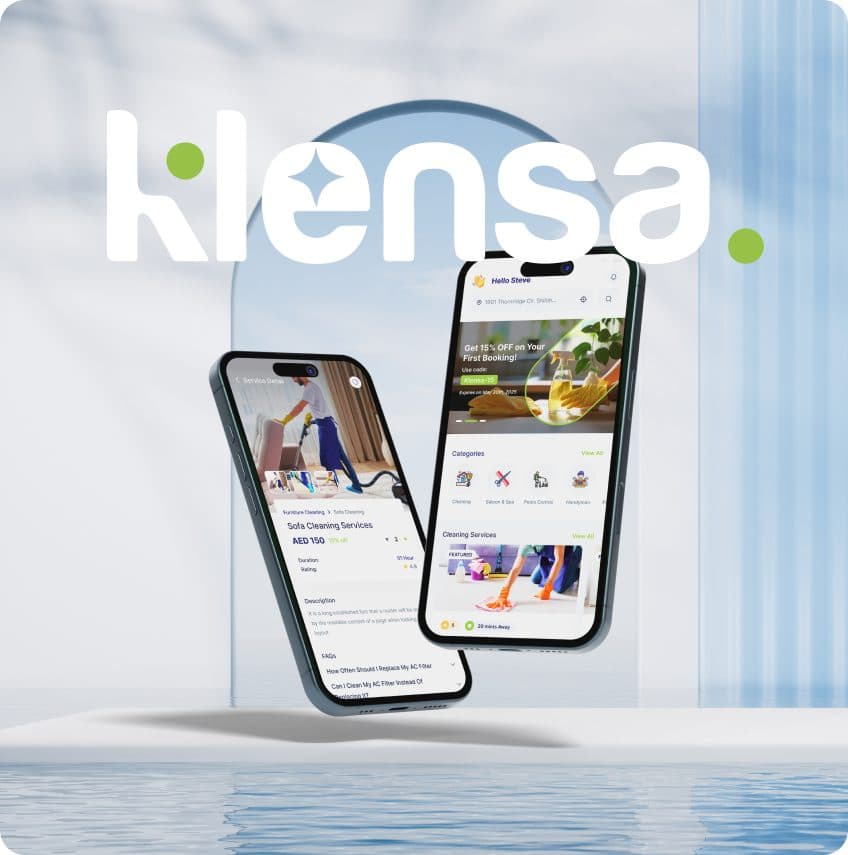
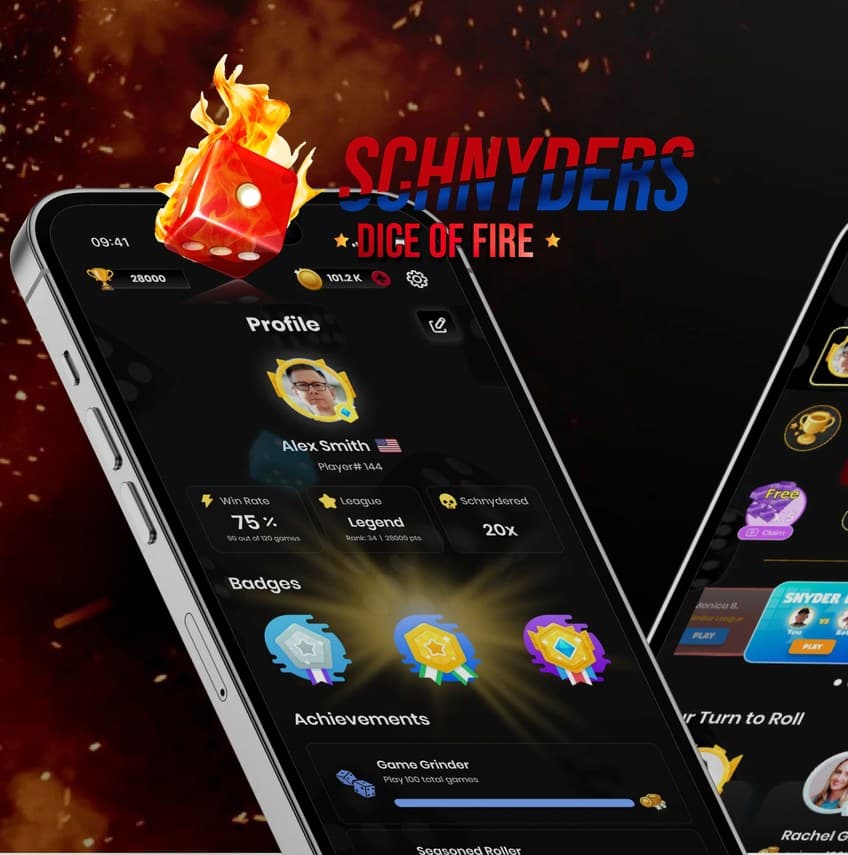
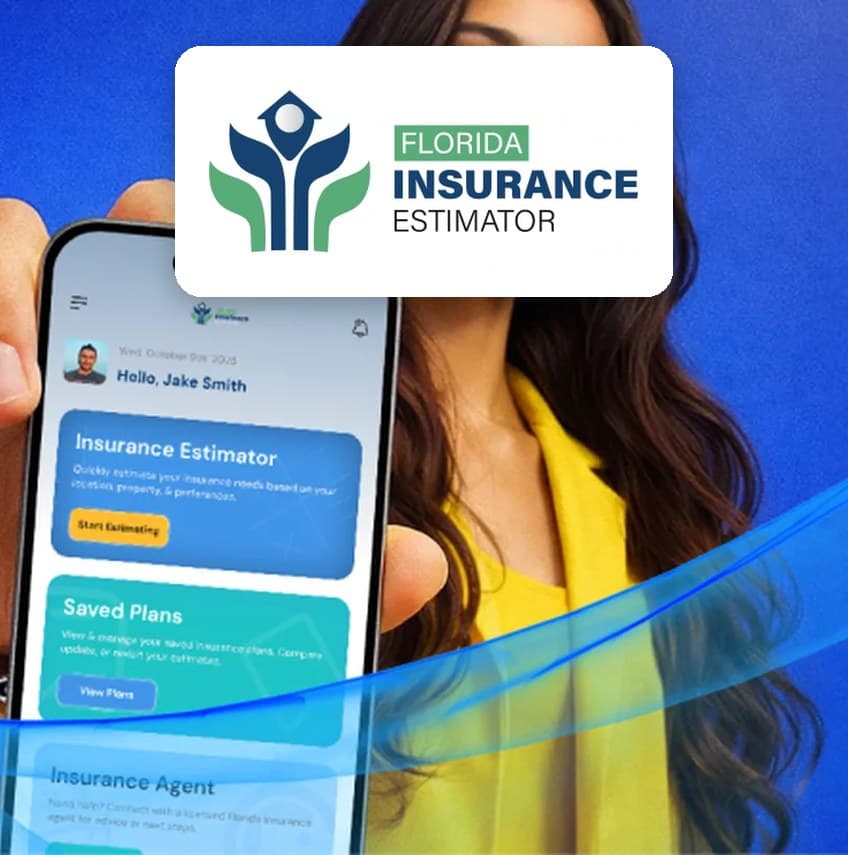
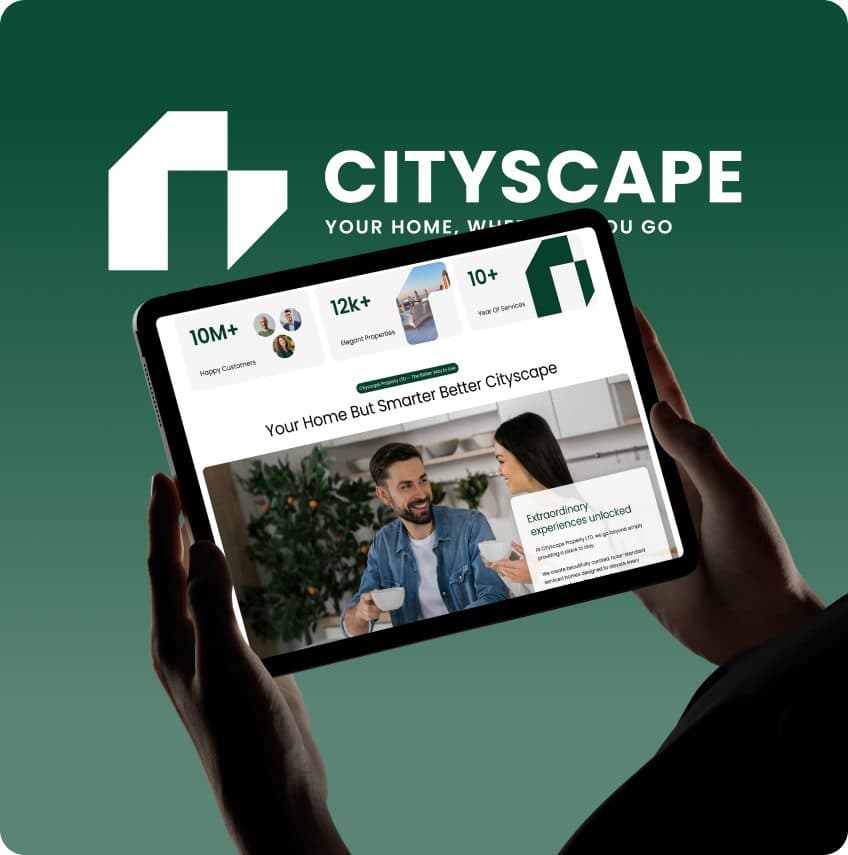
Six products that shipped, with their own case studies where one has been written. The pictures are the products, not mock-ups of them.
Verified rent and sale listings, location and price filters, and OTP sign-in that keeps onboarding quick.
View Case StudyA competitive multiplayer dice game for iOS and Android, with tournaments, leaderboards and friend challenges.
View Case StudyAn insurtech platform across web, iOS and Android that estimates cover before a homeowner asks for a quote.
View Case StudyA wellness product built for daily use, where the retention problem is the design problem.
A parenting app whose content has to be as trustworthy as it is easy to reach at 3am.
Fleet and dispatch, designed for a dropped signal and a locked screen before anything else.
Three shapes of project and what each has cost here, end to end. The range is wide because the back end is what moves it, and the only honest way to narrow it is to scope the thing.
| Build type | Investment | Time to first Release |
|---|---|---|
| Simple, single-purpose app | $5,000 to $30,000 | 6 – 10 weeks |
| Mid-complexity, custom UI, integrations, backend | $30,000 – $80,000 | 3 – 5 months |
| Enterprise, compliance-bound or real-time | $120,000–$300,000+ | 6 – 9 months |
Before anything is scoped, somebody who has shipped this kind of product looks at what you are proposing and tells you what they think. That is a conversation, not a pitch deck.
Albert King sits on our board and takes these calls himself. Thirty minutes, no obligation, and you leave with a straight answer about whether the thing is worth building and what it would take.
$10,000 to $49,999
Dec 2024 – Sep 2025
Mobile app development for a retail chain in the weight-loss supplements market, from scope through release.
5.0
Quality
5.0
Schedule
5.0
Cost
5.0
Refer
5.0
“They really took the time to understand our business, our customer base, and our goals.”
Published on Clutch, where the full review and its ratings can be read in context.
President, Supplement King
Canada
11-50 Employees
Verified
Six phases, each ending in something you can look at rather than a status update. Nothing moves to the next one until you have signed off the last.
What the product has to do, who for, and what it is competing with for their attention. The output is a scope you recognise and a number you can take to a board.
Flows first, then screens, then a clickable prototype you can put in front of five real users before a line of production code is written.
Two-week cycles with something installable at the end of each. You see the app on a device while it is being built, not at the end.
Functional, device-matrix, performance and accessibility testing, run against the build you are about to ship rather than the one before it.
Store submission, release notes, staged rollout and the monitoring that tells you within the hour if the first version is misbehaving.
OS updates, store policy changes, dependency upgrades and an on-call path, handed to your team with the runbooks if you would rather own it.










Energy, healthcare and logistics are the sectors this city runs on, and each one brings a constraint a general-purpose build does not survive.






Midtown, ten minutes from downtown. Clients drop in for a whiteboard session more often than they book a call, which is most of the reason the office is there.

Midtown Houston, 4201 Main St Suite # 200-122, TX 77002, United States.
Recognized for delivering high-quality software, mobile applications, and digital products that help businesses turn ideas into working technology. Our achievements reflect the experience, technical expertise, and commitment behind the products we build for startups, growing businesses, and established organizations.
America's Fastest Growing Companies
America's Fastest Growing Top Web Development Agencies 2023

Silver Awards Winner 2020

Top 1000 Companies

Top Mobile App Development Company 2023

Top Entertainment App Developers

Best Mobile App Developer

Top App Development Companies

Web Excellence Awards
Top Entertainment App Developers
Excellence in Web Creativity & Digital Communication
Four things that are true of every engagement here, and that are worth checking against anyone else you are talking to.
The same people who build for energy and healthcare clients build your product. Integration, audit and rollout are designed in rather than discovered.
Measured on a mid-range device on mobile data, because that is where an app is actually used, and tuned until it is quick there.
Least privilege, encrypted storage and transport, and an audit trail your compliance team can read without us translating it.
You own the code, the designs and the accounts. No licence, no lock-in, and nothing in the contract that makes leaving expensive.
Tell us what you are trying to build and who it is for. We will come back with scope, a number and the first thing we would do — usually within two working days.
An MVP is six to ten weeks from signed scope to a build in a store, and a mid-complexity product with integrations and a back end is three to five months. Houston work is often the slower case: an energy or clinical system's own change window, not our engineering, is what sets the floor, and we scope against that window rather than discovering it.
Tell us what you are building, who it is for and when it needs to be live. You will get a written scope, a realistic range, and a named engineer on the call rather than a sales deck.

[Houston, TX]
We build mobile software for Houston companies — energy, healthcare, logistics and the startups around them — from an office on Main Street rather than from a time zone away. Same engineers from scope to release, and the code is yours at the end of it.
Six things Houston clients ask us for most often. Each one is a team that has shipped it before, not a capability we are standing up for the first time on your project.
Swift and SwiftUI, built for the devices your customers actually carry and reviewed against App Store policy before submission rather than after a rejection.
Kotlin, Jetpack Compose and the unglamorous work of making an app behave on a mid-range handset three years old — which in most markets is the median device.
Flutter or React Native where one codebase is genuinely the right answer, and a straight recommendation when it is not. The choice is made per product, not per vendor.
SSO, audit trails, role models and the migration plan that gets people onto the thing. Enterprise software fails on integration and rollout far more often than on features.
The smallest version that can be put in front of real users and learned from, with the architecture underneath it able to survive being right.
OS releases, store policy changes, dependency upgrades and the on-call path — the work that decides whether an app is still worth having in two years.
Six products that shipped, with their own case studies where one has been written. The pictures are the products, not mock-ups of them.
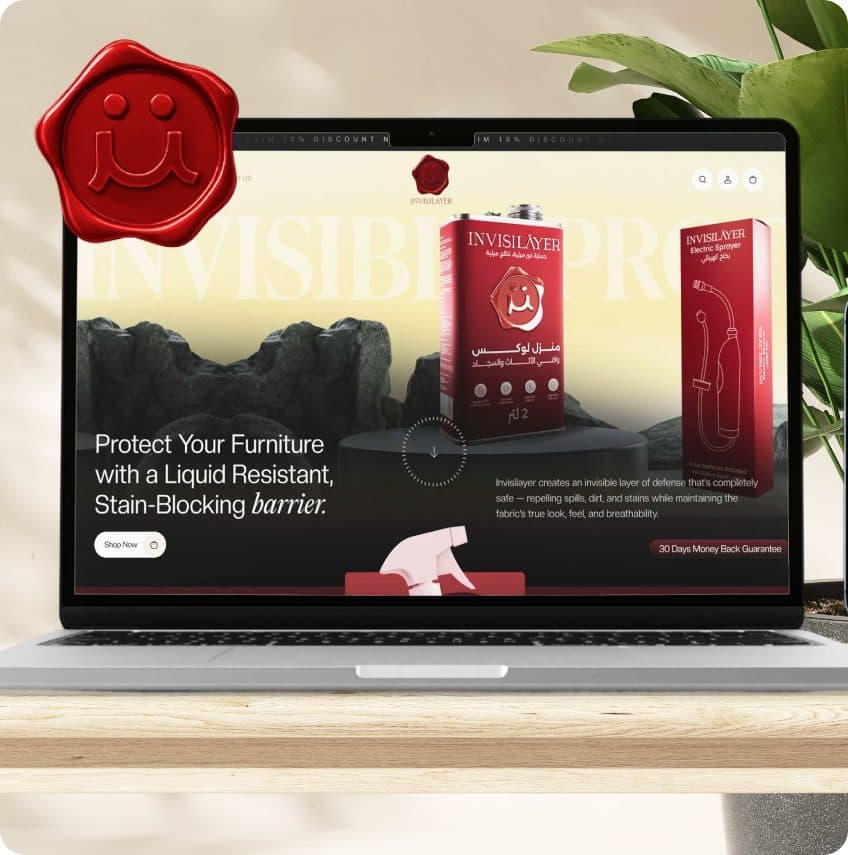

Three shapes of project and what each has cost here, end to end. The range is wide because the back end is what moves it, and the only honest way to narrow it is to scope the thing.
Before anything is scoped, somebody who has shipped this kind of product looks at what you are proposing and tells you what they think. That is a conversation, not a pitch deck.
Albert King sits on our board and takes these calls himself. Thirty minutes, no obligation, and you leave with a straight answer about whether the thing is worth building and what it would take.
Connect With Albert KingSix phases, each ending in something you can look at rather than a status update. Nothing moves to the next one until you have signed off the last.
What the product has to do, who for, and what it is competing with for their attention. The output is a scope you recognise and a number you can take to a board.
Flows first, then screens, then a clickable prototype you can put in front of five real users before a line of production code is written.
Two-week cycles with something installable at the end of each. You see the app on a device while it is being built, not at the end.
Functional, device-matrix, performance and accessibility testing, run against the build you are about to ship rather than the one before it.
Store submission, release notes, staged rollout and the monitoring that tells you within the hour if the first version is misbehaving.
OS updates, store policy changes, dependency upgrades and an on-call path, handed to your team with the runbooks if you would rather own it.
Energy, healthcare and logistics are the sectors this city runs on, and each one brings a constraint a general-purpose build does not survive.
Midtown, ten minutes from downtown. Clients drop in for a whiteboard session more often than they book a call, which is most of the reason the office is there.
Midtown Houston, 4201 Main St Suite # 200-122, TX 77002, United States.
Four things that are true of every engagement here, and that are worth checking against anyone else you are talking to.
The same people who build for energy and healthcare clients build your product. Integration, audit and rollout are designed in rather than discovered.
Measured on a mid-range device on mobile data, because that is where an app is actually used, and tuned until it is quick there.
Least privilege, encrypted storage and transport, and an audit trail your compliance team can read without us translating it.
You own the code, the designs and the accounts. No licence, no lock-in, and nothing in the contract that makes leaving expensive.
Tell us what you are trying to build and who it is for. We will come back with scope, a number and the first thing we would do — usually within two working days.
Start Your Project TodayAn MVP is six to ten weeks from signed scope to a build in a store, and a mid-complexity product with integrations and a back end is three to five months. Houston work is often the slower case: an energy or clinical system's own change window, not our engineering, is what sets the floor, and we scope against that window rather than discovering it.
Yes. OS releases, store policy changes, dependency upgrades and an on-call path, on a monthly agreement with the response targets written into it. Several Houston clients take the runbooks and run it with their own operations team instead, which is a perfectly good outcome and priced accordingly.
In Houston, mostly energy, healthcare and logistics, plus the startups around them. Nationally the list is wider; the regulated sectors change what has to be evidenced rather than how the work is run.
Fixed phases tied to milestones you approve, quoted after a scope we both recognise. The table above is what those phases have actually cost on recent work rather than a rate card.
Real-time telemetry, hardware integrations and systems that answer to an auditor are the normal case in this city rather than the exception. If something would be better bought than built, we will say so before you pay us to build it.