





[DevOps Consultancy Services]
Utilize DevOps to Transformyour IT Operations.
Most teams do not have a DevOps problem; they have a handover problem that shows up at deploy time. We take the pipeline, the environments and the on-call path and make them one thing your engineers can change without a ticket.
- Deploys that are boring, on a pipeline your team owns.
- Environments rebuilt from code, not from memory.
- Alerts tied to what users feel, with a runbook each.
- Cost and capacity measured, then actually acted on.
How AppVertices
Caters To DevOps?
We start where the pain is rather than with a reference architecture. Usually that is the release: how long it takes, how many people have to be awake for it, and what happens when it goes wrong at four in the afternoon on a Friday.
From there the work is unglamorous and specific. Build and test in one pipeline, environments described in code so a new one costs minutes, secrets out of the repository, monitoring tied to the handful of things your users actually notice, and a rollback that somebody has rehearsed. Your engineers own all of it by the time we step back — the point is not to become the team that knows how your deploys work.
Product Stories
Three projects with their own case studies, each one shipped against a real deadline for a client who had to live with the result.
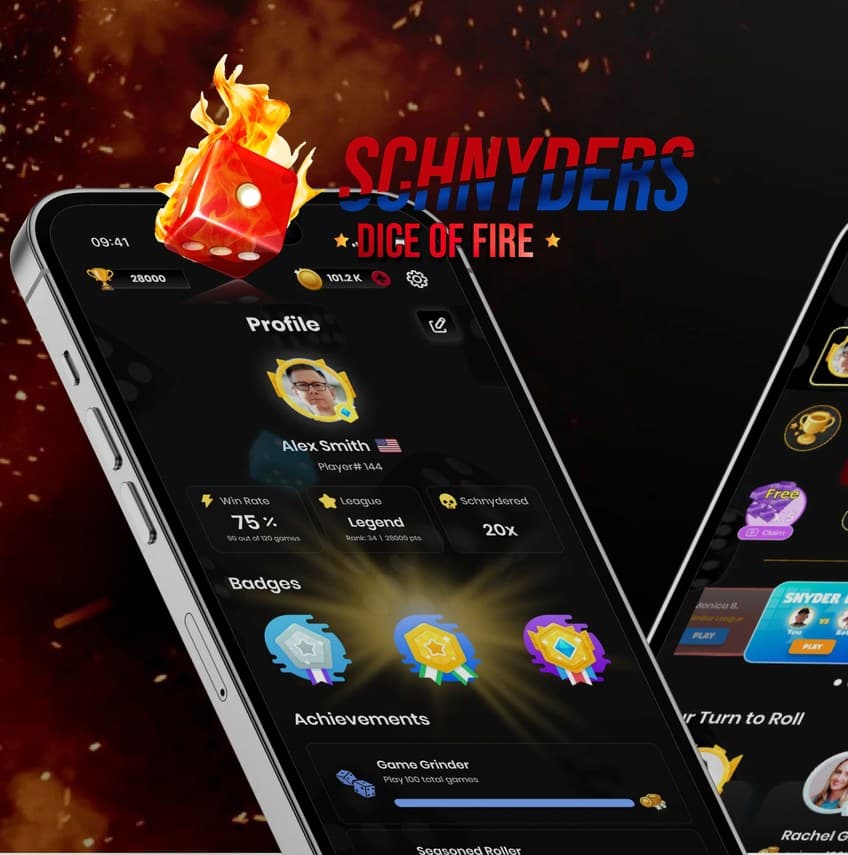
Schnyder's Dice of Fire!
A competitive spin on a familiar format: a multiplayer dice game for iOS and Android with custom scoring and one high-stakes decision — secure your points or take another roll.
Real-time play, tournaments, leaderboards and friend challenges are the parts that make that decision matter, and all of them are the parts that have to hold under load on a Friday night.
- Multiplayer Dice Game
- Competitive Gaming Platform
- iOS, Android and backend
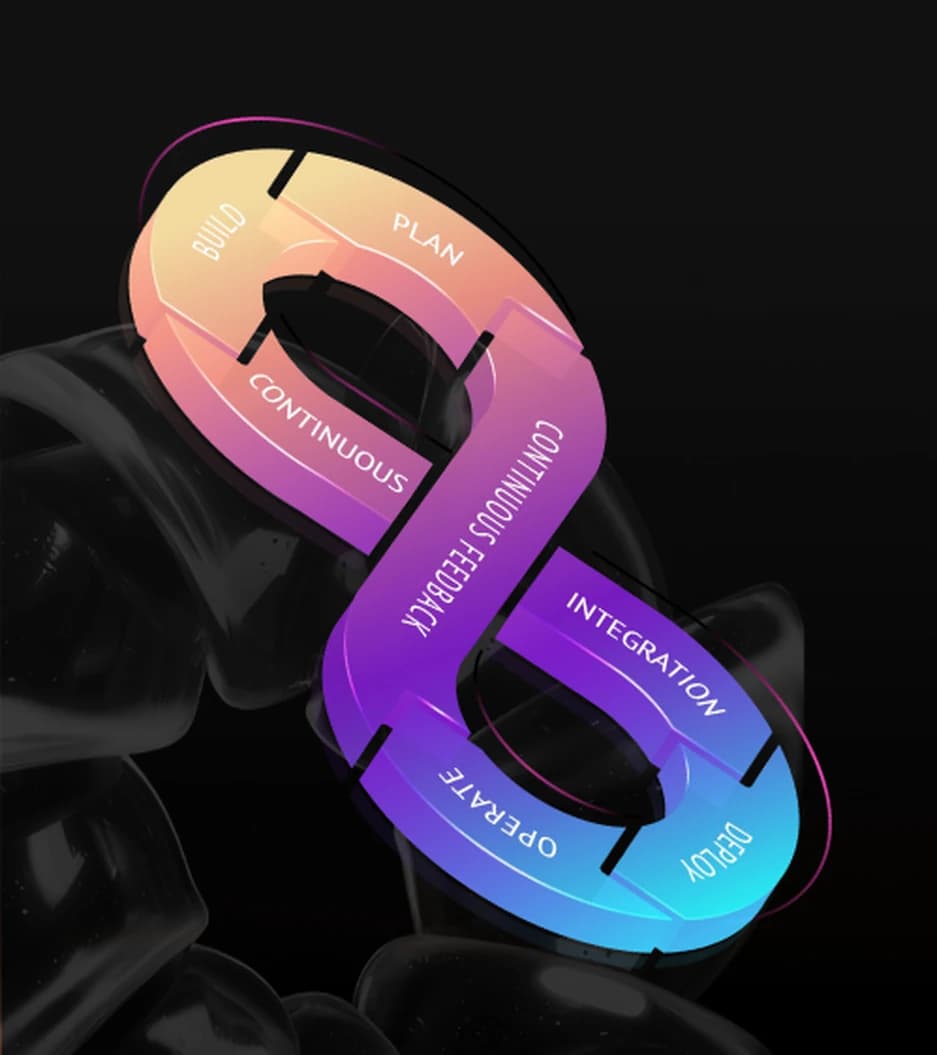
DevOps Lifecycle
$274BApprox Market Size2.5Daily Data Production
- Plan and Build01
- Deploy and Monitor02
- Evaluate And Improve03
Is It Time To Turn To DevOps Consulting?
If a release needs a calendar invite and three people watching a dashboard, it is. Tell us what shipping looks like today and we will come back with what we would change first and what it would cost.
Benefits Of DevOps For Your Business
The benefit that matters is not speed for its own sake — it is that a change you want to make this week can be made this week, tested, and put in front of users without anybody holding their breath. Everything else follows from that.
In practice: fewer incidents because the path to production is the same every time, shorter ones because the rollback is rehearsed, a bill you can account for because capacity follows demand, and engineers spending their week on the product rather than on the machinery around it.
Full-Cycle DevOps
Consulting Services
Assessment, build and handover, in that order. We look at what you ship and how, build the pipeline and the environments around it, and leave your team with the runbooks that make them theirs rather than ours.
Work With
AppVertices
We are a small senior team that works inside yours rather than beside it. No discovery phase that produces a document nobody reads, no platform you have to keep us on to operate.
Agile Processes
Two-week cycles with something deployable at the end of each one, and a backlog your product owner sets rather than one we hand over at a steering meeting.
Cloud Infrastructure
AWS, Azure and GCP, described in Terraform and reviewed like any other code. A new environment is a pull request, not a week of tickets.
Automation Solutions
The work that gets skipped when somebody is busy — provisioning, patching, certificate rotation, backup verification — moved into a pipeline that does it on a schedule and tells you when it did not.
Continuous Integration
Build, test and security scan on every push, on a pipeline that fails fast and says why. The point is that a red build is information rather than a thing people learn to ignore.
Industries We Serve
The pipeline changes shape by sector more than by stack: what has to be audited, what cannot be rolled back, and how long an outage is allowed to last.
E-Commerce &

Telemedicine &
Digital Healthcare
FinTech &
Neo-Banking
On-Demand
Delivery & Logistics
PropTech & Real
Estate Networks
Enterprise SaaS &
Workflow Automation

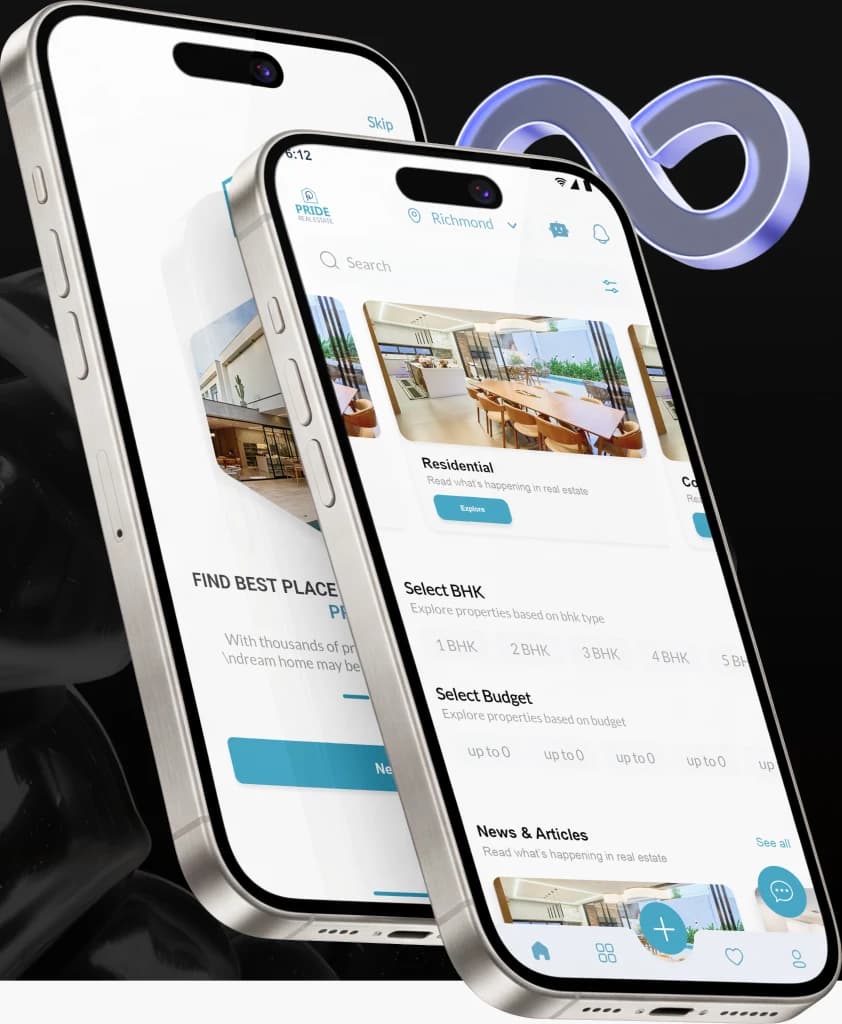

Experienced DevOps Company
Ten years of shipping other people's software, which is long enough to have met most of the ways a release goes wrong and to have stopped being surprised by any of them.
We work the way your team already works — your repository, your cloud account, your ticket tracker — and we write down what we do as we do it, so the handover is a document you already have rather than a meeting at the end.
- 250+Brands Transformed
- 200+Industries Served
- 10+Years Of Experience
Frequently Asked
Questions


An assessment is two weeks. A first pipeline moving real code to production is typically six to eight. Whether the rest of the estate follows in a quarter or a year is usually decided by your change-approval process rather than by us.
We're Featured In
Coverage and listings the company has appeared in. Each one links nowhere here on purpose — they are mentions, not endorsements.







Our Trusted Clients