






[AI AGENT DEVELOPMENT COMPANY]
Automate Smarterwith AI Agents
An agent that can call your tools is easy. An agent you can let near a customer is not. We build the tool permissions, the escalation path and the replay trail first, so what ships is something you can audit line by line rather than hope about.
Trusted by Leaders Across
Industries in the USA










What is an AI Agent?
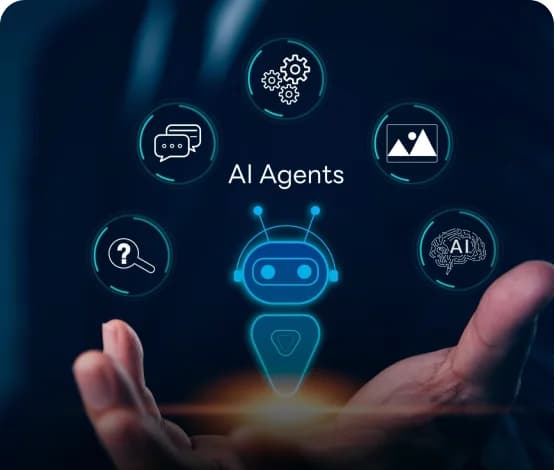
A chatbot answers. An agent acts — it reads the ticket, checks the order in your system, issues the refund and writes back what it did. The difference that matters is not the model, it is the set of things it is allowed to touch.
So the interesting questions are all operational. Which tools can it call, and which can it never call? What confidence is too low to act on? Who does it hand to when it stops, and does that person get the full context or have to start again?
We answer those before we write the happy path. Every run leaves a trace you can replay — what it read, what it decided, what it changed — because the first time an agent does something expensive, that trace is the only thing standing between you and a guess.
Types of Custom AI Agents We Build for Your Business
Five shapes, and the shape decides almost everything about cost and risk. We will tell you which one your problem actually is at the scoping call, including the cases where a scheduled job and a rules table do the work for a fraction of the price.
Model-Based Agents

Goal-Based Agents
Utility-Based Agents
Learning AI Agents

75+
Certified AI & ML Engineers

200+
Successful AI Agents Developed
120+
AI & Deep Learning Solutions Delivered

8+
Years of Tech Expertise
Our Advanced AI Agent
Development Services & Solutions
Six engagements, each scoped so you can tell whether it worked. We will say which one your problem needs, including the cases where the answer is none of them — an agent that saves four minutes a day and costs a cent a call is a worse deal than it looks once you multiply it out.
Intelligent Virtual Assistants
An assistant that holds a thread across a whole task rather than a single turn: it remembers what was already asked, what it already did, and what it is still waiting on. Built against your own policies, with an explicit refusal when the answer is not in them.
Multimodal Agents
Text, documents, images and voice in one agent, which matters because customers send photographs of the problem rather than descriptions of it. Low-confidence reads hand over to a person instead of guessing, since a confident misreading costs more than a transfer.
Autonomous Process Automation
A process run end to end across your systems, with a budget that stops it and a trace you can replay. We are conservative about what earns this: most workflows we are shown are cheaper and safer as one agent and a queue.
Decision-Making Agents
Agents that choose rather than fetch: which claim to escalate, which order to hold, which discount is inside policy. Confidence is calibrated against an evaluation set agreed before the build, so a decline is a decision you can justify afterwards.
Vision AI Agents
Detection, classification and OCR tuned on your own images rather than a public benchmark. Edge and server deployment are both costed up front, because the choice between them usually decides the architecture and is expensive to reverse later.
Customer Support AI Agents
Grounded in your help centre and your ticket history, with the hand-over path designed before the happy path. Containment is measured on transcripts rather than claimed on sessions, and the conversations that escalate are reviewed every month.
Off-the-Shelf AI Tools vs. Custom
AI Agent Development
Both have a place. Off-the-shelf wins when the job is generic and the volume is low; custom wins when the workflow is yours and the volume makes a cent per call into a budget line. The row that usually decides it is Time To Value, not Business Impact.
| Feature | Off-the-Shelf AI Tools | Custom AI Agent Development |
|---|---|---|
| Flexibility | Fixed Features, Limited Customization | Built Around Your Exact Workflows And Goals |
| Integration | Basic Or No Enterprise Integration | Seamless CRM, ERP, And API Integration |
| Scalability | Capped By Platform Limits | Scales With Your Business Without Restrictions |
| Intelligence | Rule-Based, Generic Responses | Agents Are Context-Aware, Goal-Driven And Adaptive |
| Availability | Uptime Depends On The Vendor | Operates 24/7 Without Interruption |
| Data Security | Shared Infrastructure, Limited Control | Deployed On Private, Secure Infrastructure |
| Time To Value | Fast Setup, Slow ROI On Complex Tasks | Pilot In 4–6 Weeks, Measurable ROI From Day One |
| Support | Generic Vendor Support | Dedicated Team With End-To-End Lifecycle Support |
| Business Impact | Delivers Marginal Efficiency Gains | Reduces Operational Costs By Up To 60% |
| Competitive Advantage | Same Tools Your Competitors Use | Proprietary Intelligence Built Exclusively For Your Business |
Industry-Specific AI Agent
Development Solutions
Where agents earn their keep, and where they do not. Each of these is a sector we have taken an agent into production in more than once, which is a different claim from the ones we could name on a slide.

Healthcare

Fintech

Ecommerce
And Retail
Travel And
Hospitality
Media And
Entertainment
Enterprise And
B2B SaaS

Our Portfolio of Custom AI Agent Development Projects
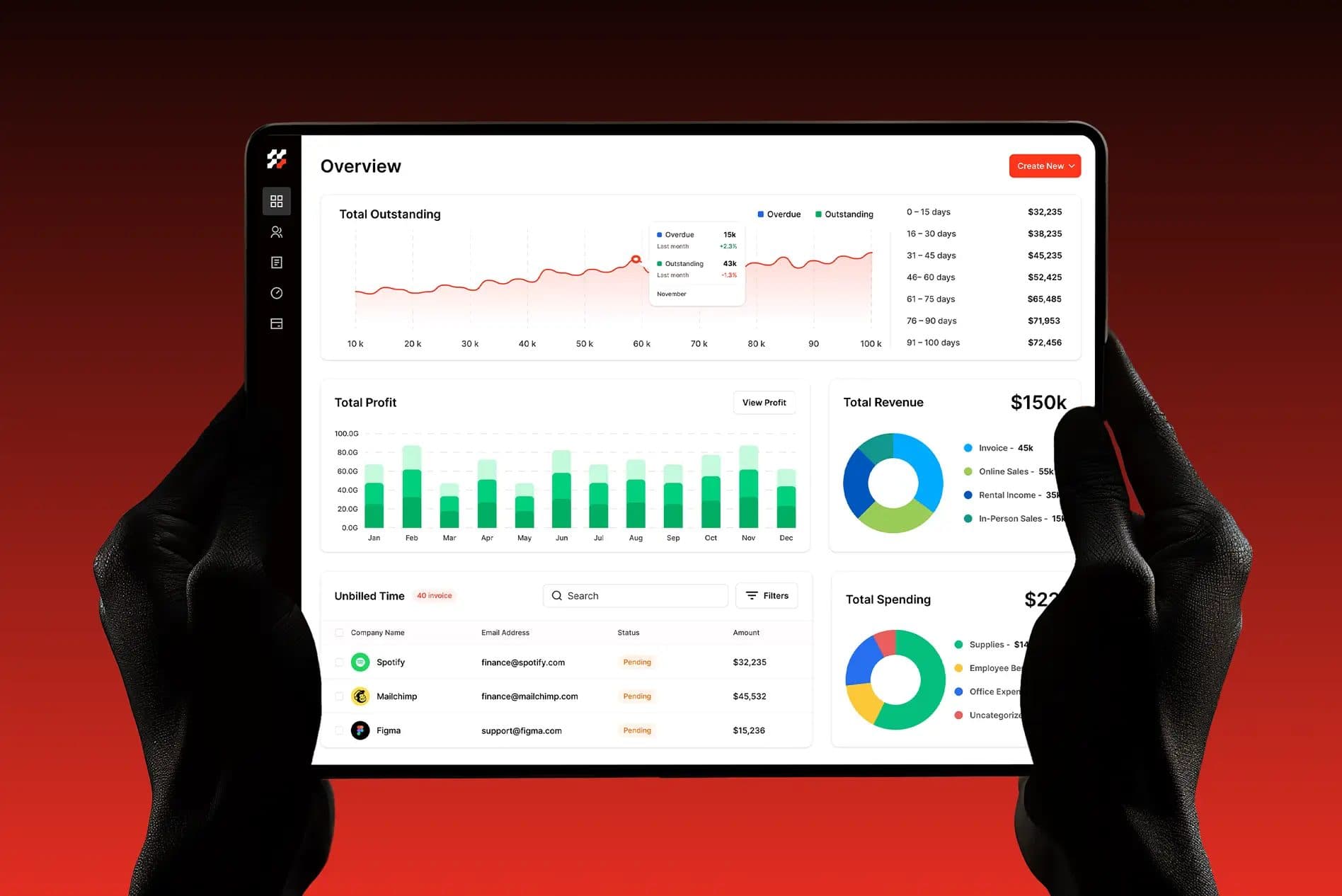
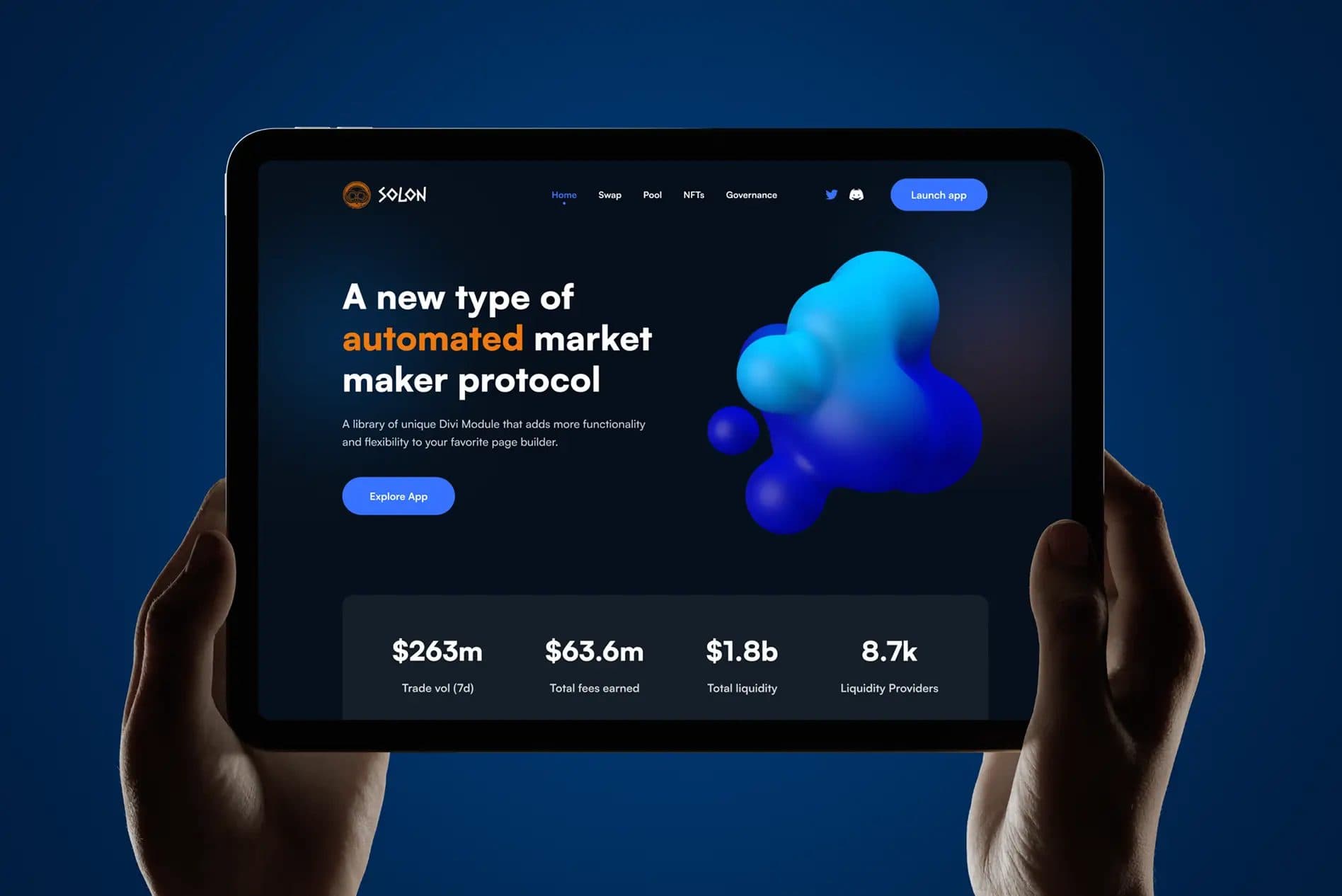
01 Pride Real Estate
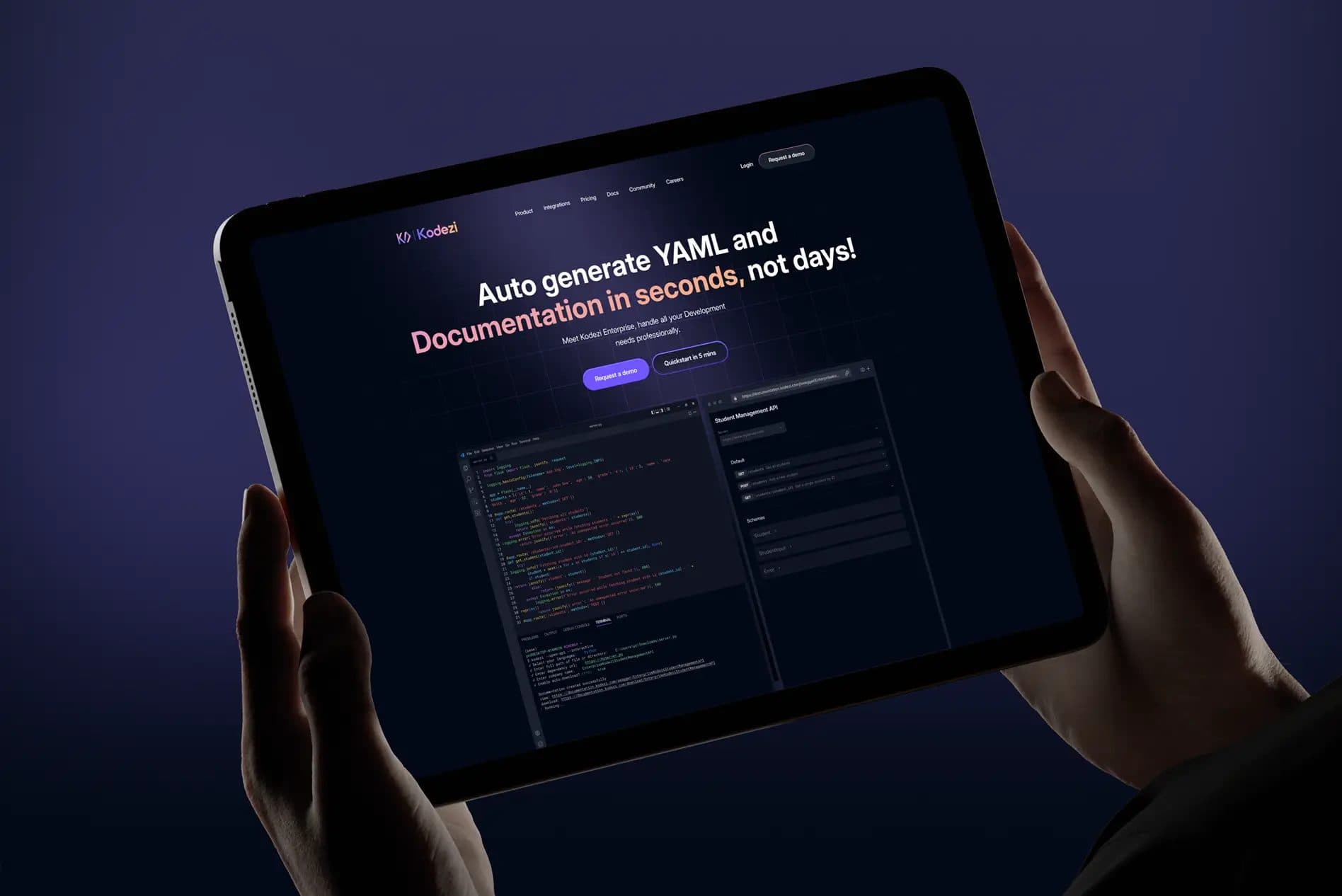
02 Embody Now
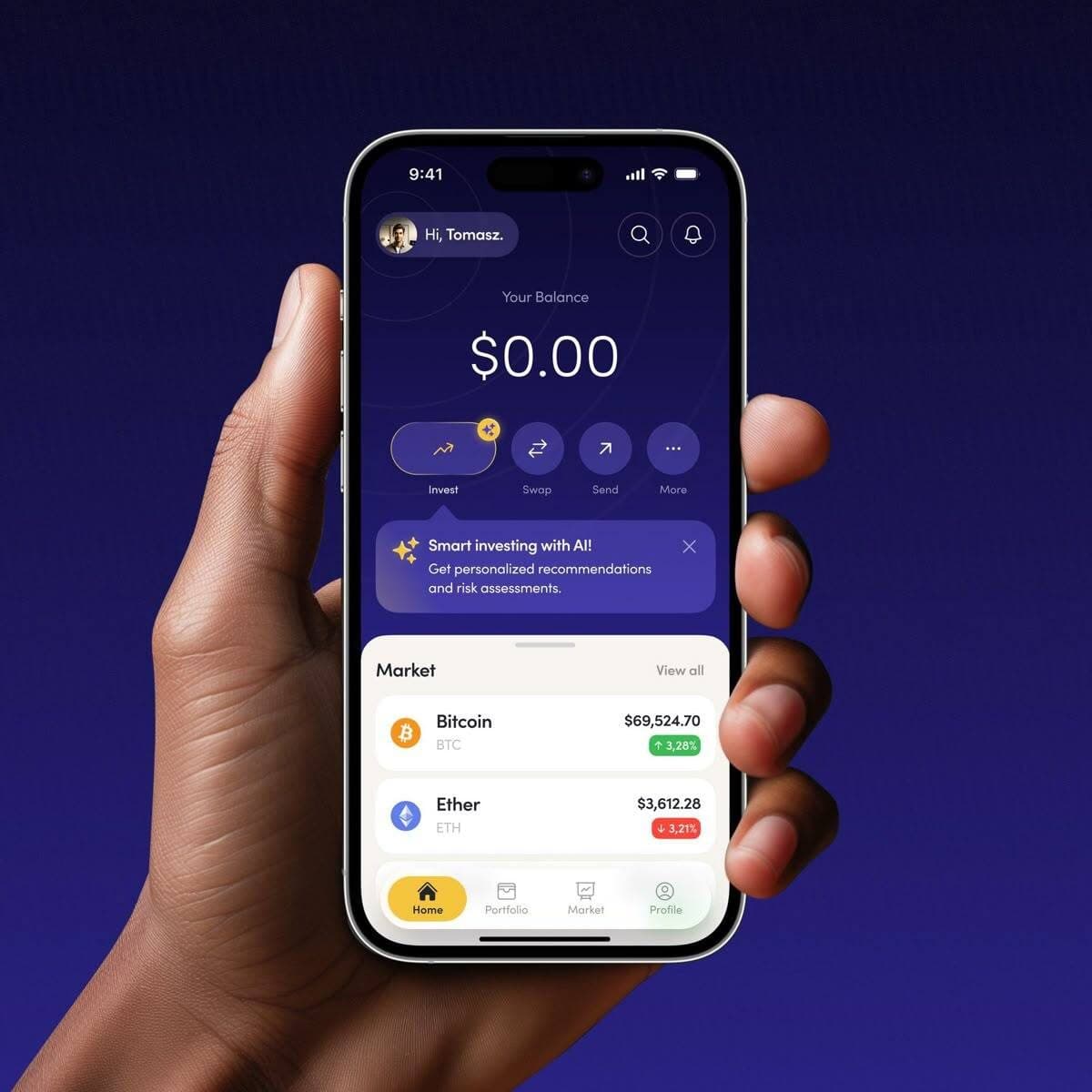
03 Baby Spacezone
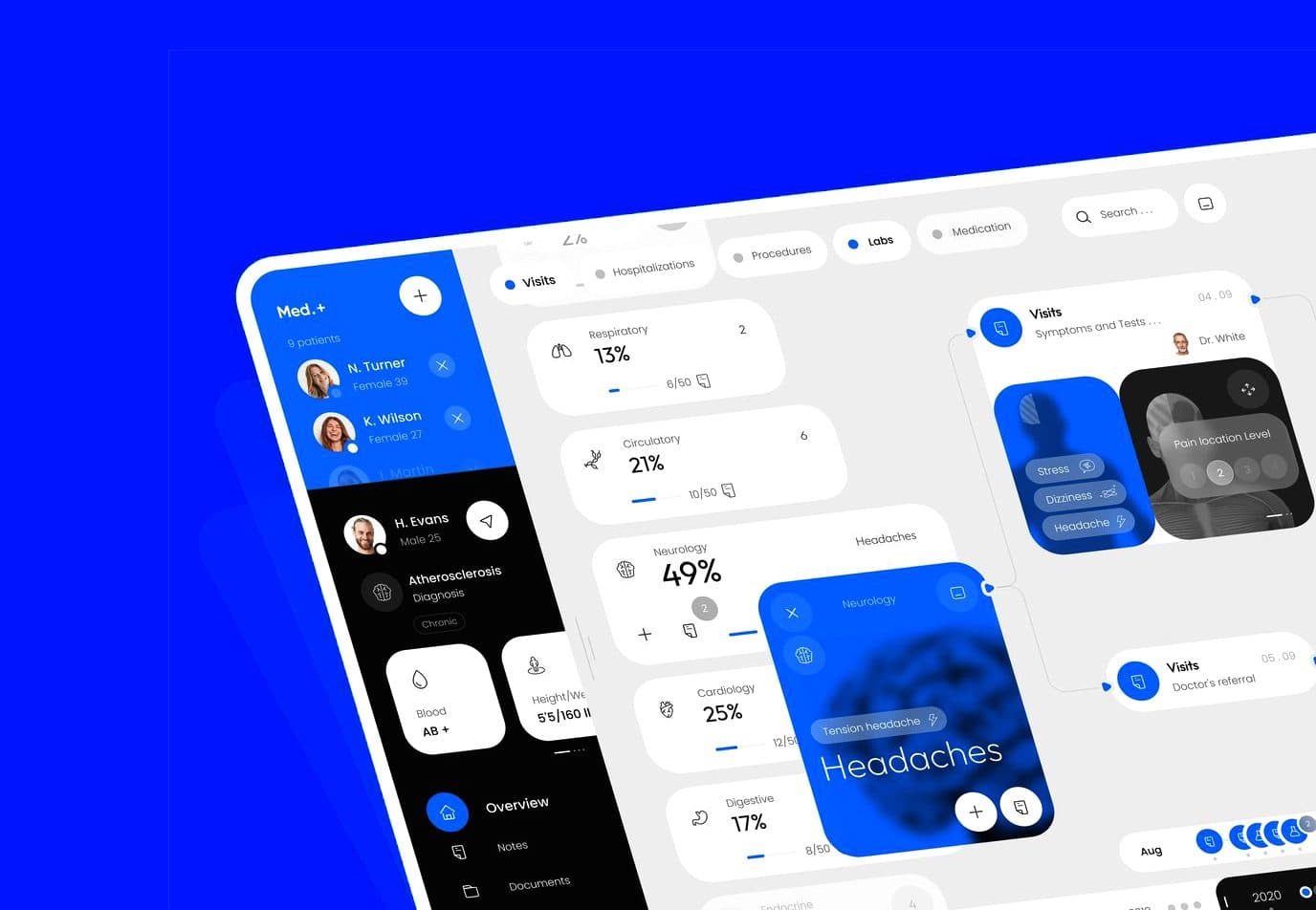
04 ATX FleetFlow


Reduce Operational Costs by Up to 60% With AppVertices Custom AI Agent
Bring us the process, the systems it touches and the one thing it must never do. You get a scoped range and the reasoning behind it in writing within a week — and if the honest answer is that a scheduled job does this for a tenth of the price, you get that instead.



AppVertices Approach to
Building Powerful AI Agents
Five stages, each ending in something you can run rather than a status update. The decision to continue is taken at the end of every one of them, and stopping is a priced outcome rather than a failure.
Two to three weeks on whether an agent is the right instrument at all. We read the transcripts, count the tasks that actually recur, and name the tools it would need permission to touch.
You leave with a scope you can price and a recommendation we are willing to argue for, including the cases where the honest answer is a scheduled job and a rules table.

See What Our Clients Are Saying
About Our AI Agent Development
The reviews below are on Clutch, where the client is verified independently and we cannot edit, reorder or remove what they wrote. We have linked the most recent engagement of this shape rather than the best-scoring one, so you can read the schedule and cost marks alongside the quality mark — including where we were marked down.

AppVertices AI Agent Clutch Reviews

The Project
$10,000 to $49,999
Dec 2024 – Sep 2025
Project Summary
An agent taken from a two-week feasibility read into production across a client's own ticketing and order systems, with the evaluation set and the escalation path agreed before the build.
5.0


Quality
5.0
Schedule
5.0
Cost
5.0
Refer
5.0
Mobile App Development for Weight Loss Supplements Co
The Review
“They really took the time to understand our business, our customer base, and our goals.”
Sep 2025
Published on Clutch, where the full review and its ratings can be read in context.
The Reviewer
President, Supplement King
Canada
11-50 Employees
Verified
Why Choose AppVertices as Your
Trusted AI Agent Development Company
Six things you can check rather than take on trust. Ask any supplier for the permission boundary they designed before the happy path, the engagement where they recommended not building, and the running cost per task of their last deployed agent. The answers are more revealing than the case studies.
Guardrails Before Features
The permission boundary, the confidence floor and the escalation path are designed in week two, before the happy path exists. That ordering is unusual and it is the single reason our agents are still running unattended a year after launch rather than quietly switched back to manual.
Every Run Is Replayable
What it read, what it scored, what it changed — kept for every single run. When something expensive happens, you replay it rather than reconstruct it from memory, and a regulator gets a document instead of an assurance.
Cost Per Task, Tracked
Measured from the first sprint and reported alongside success rate. The agent that wins the benchmark and loses the unit economics is not the one you want, and at volume that gap closes a business case faster than any accuracy number opens one.
We Will Tell You Not To Build
Roughly one engagement in five ends at feasibility with a recommendation against. A scheduled job and a rules table solve more of these problems than anyone selling agents will admit, and that recommendation is part of the engagement rather than an upsell we skip.
In-House, Not Subcontracted
The names in the proposal are the names on the work, and the lead who scoped it is the lead who delivers it. Sixty engineers and scientists, employed, across nine regulated sectors.
An Exit That Costs You Notice
The repository, the pipelines, the evaluation sets, the prompts and the documentation are yours from the first commit. Support is month to month. Taking the second year in-house is a good outcome rather than a lost account.
Technologies & Frameworks Behind
Our AI Agent Development



Awards & Recognitions
Recognized for delivering high-quality software, mobile applications, and digital products that help businesses turn ideas into working technology. Our achievements reflect the experience, technical expertise, and commitment behind the products we build for startups, growing businesses, and established organizations.

INC. 5000
America's Fastest Growing Companies
Rank Watch
America's Fastest Growing Top Web Development Agencies 2023

Horizon Award
Silver Awards Winner 2020

Clutch
Top 1000 Companies

Right Firms
Top Mobile App Development Company 2023

Top Developers
Top Entertainment App Developers

Expertise
Best Mobile App Developer

Software World
Top App Development Companies

Web Excellence
Web Excellence Awards
Top Developers
Top Entertainment App Developers

Dot Comm
Excellence in Web Creativity & Digital Communication
Turn Complex Challenges into
Seamless Solutions!
Most agent projects fail on operations rather than on intelligence: nobody owns the escalation, nobody watches the cost, nobody can replay what happened. We build those three first.

AI Agent
Development FAQs


A feasibility read is two to three weeks. A first agent running against real traffic behind a flag is usually eight to twelve. Most of that is the tooling and the guardrails rather than the model — the agent itself is rarely the long pole.
Let’s Talk About
Your Project
Tell us what you are building, who it is for and when it needs to be live. You will get a written scope, a realistic range, and a named engineer on the call rather than a sales deck.