





The Tough Competition
There are already several million apps, and the ones you are up against have had years to get good. Being new is not a feature.
The first release has to be sharper about one job than anything else on that screen.
[Startup App Development]
AppVertices helps startups turn an idea into a scalable, high-performing app — the feature set prioritized around an MVP, the architecture built for the growth that follows, and the whole thing inside a realistic budget.





Every one of these started where your product is starting now: an idea, a founder, and no certainty that anyone wanted it. What they have in common is not a category or a budget but a first release scoped tightly enough to reach real users quickly, on an architecture that did not have to be thrown away once those users arrived.



A website tells people you exist. An app is where they come back. For a startup that difference decides whether early interest turns into a habit, and whether you learn anything useful about the people using your product.
An app gives you push notifications, offline behavior, device hardware and a place on the home screen. It also gives you evidence no analytics dashboard can: what people actually do, in what order, and where they stop.
That evidence is what turns a plausible idea into a fundable one.
People spend the overwhelming majority of their mobile time inside apps rather than in a browser, and the split has held for years. A product that lives on the web only is competing for the small remainder.
Most startup apps do not fail on the engineering. They fail on scope, on timing, and on being one of several thousand things competing for the same screen. These are the three we plan around from the first conversation.
There are already several million apps, and the ones you are up against have had years to get good. Being new is not a feature.
The first release has to be sharper about one job than anything else on that screen.
A real product is months of work, and the temptation is to widen the scope every time someone has an idea for it.
We hold the line on the first release so it ships while the idea is still current.
Building the wrong thing well costs more than building the right thing twice, and most of that cost stays invisible until launch.
Validating early is the cheapest insurance a startup can buy.
A few things are worth settling before development starts, because they are expensive to change afterwards: which platforms you actually need on day one, whether the product has to work offline, what data you are collecting and where it is allowed to live, and how the app will be supported once it is live. None of these are hard questions early. All of them are hard questions late.
We prioritize features around an MVP first, keep the architecture scalable for growth, and work inside a realistic budget.
The goal is a product that validates the concept and gathers real feedback without overbuilding too early, and one that holds up in a fundraising conversation. Three things come out of the engagement before a line of production code is written: a strategy you can act on, a prototype you can put in front of users, and a roadmap and deck you can show an investor.
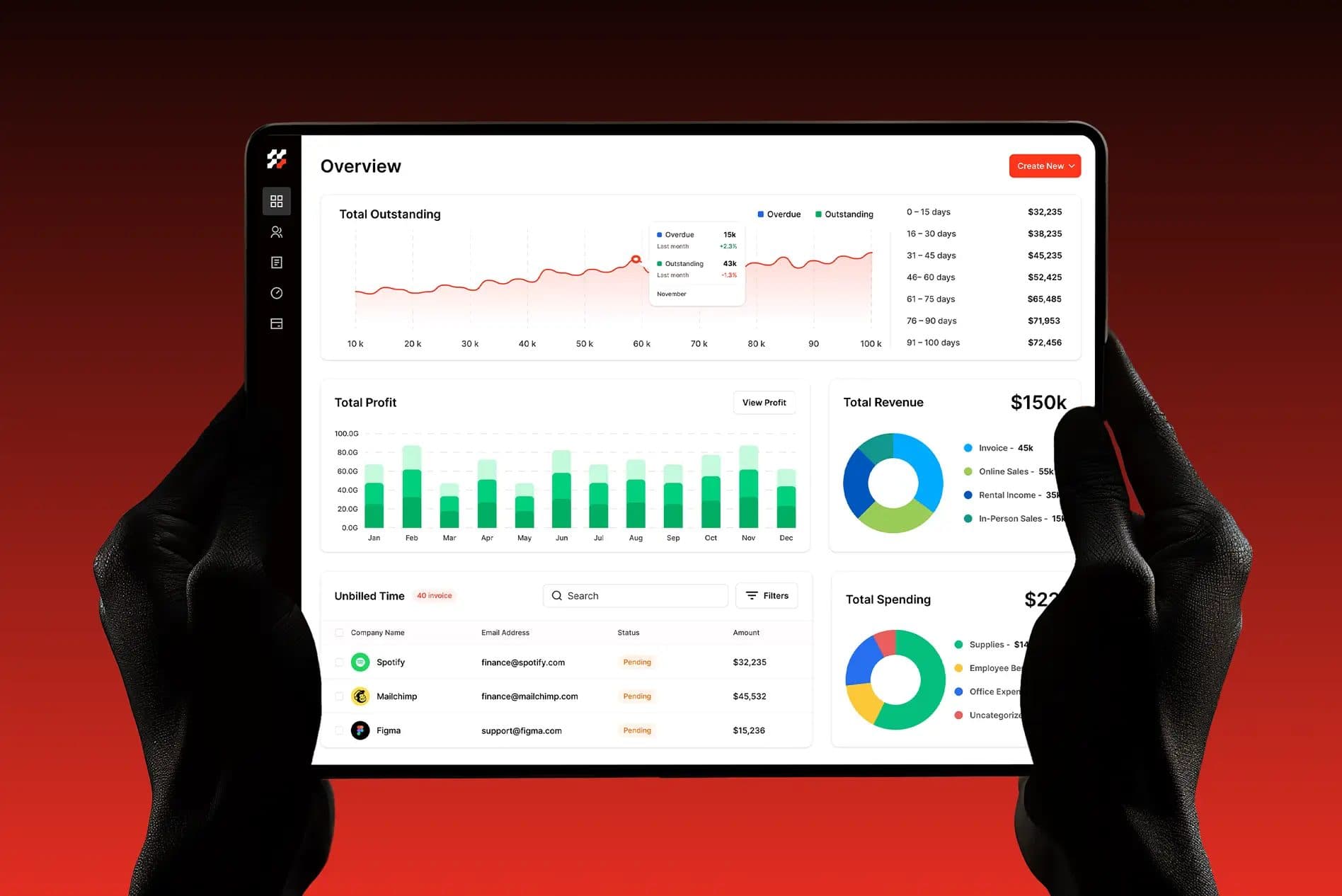
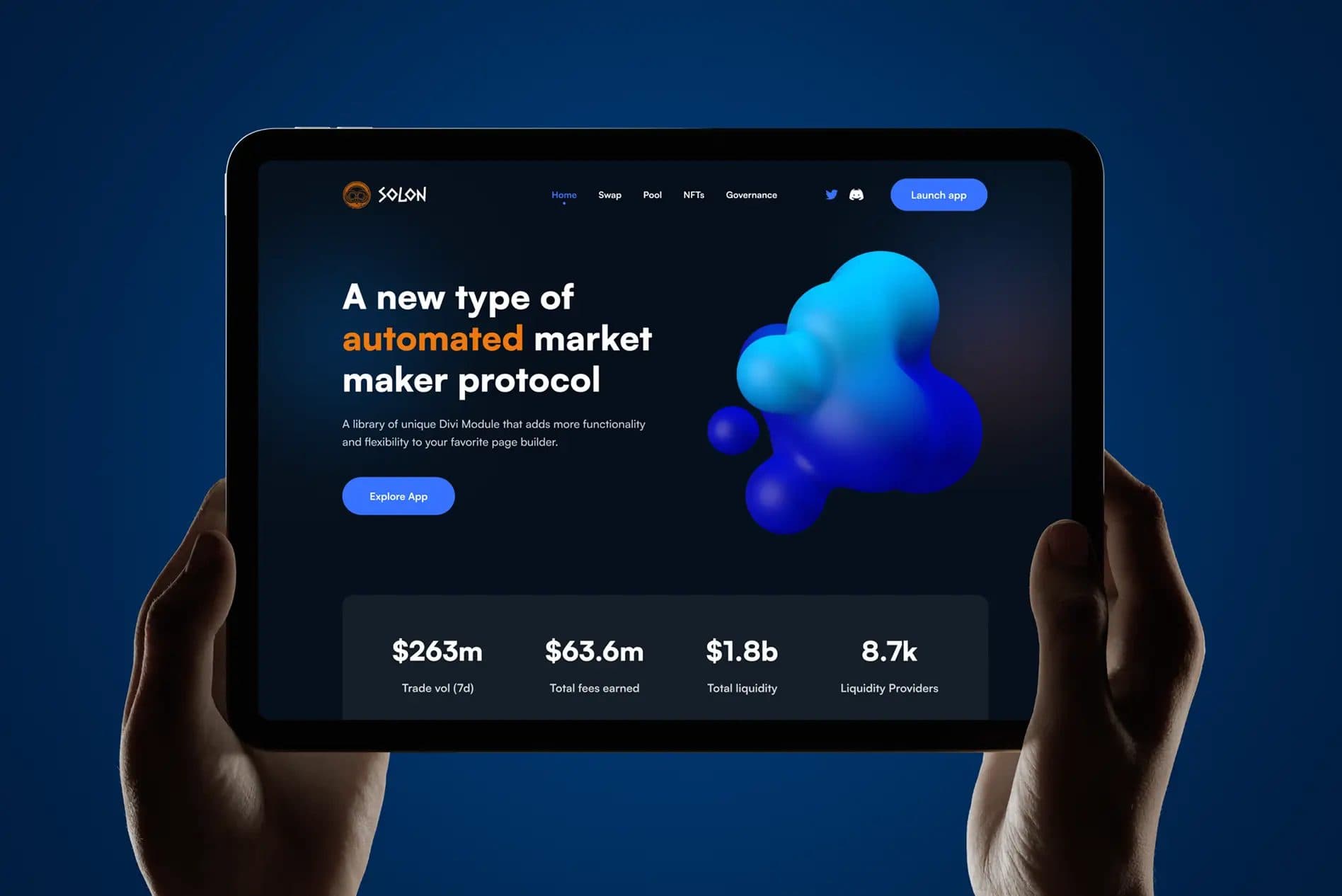
01 Pride Real Estate
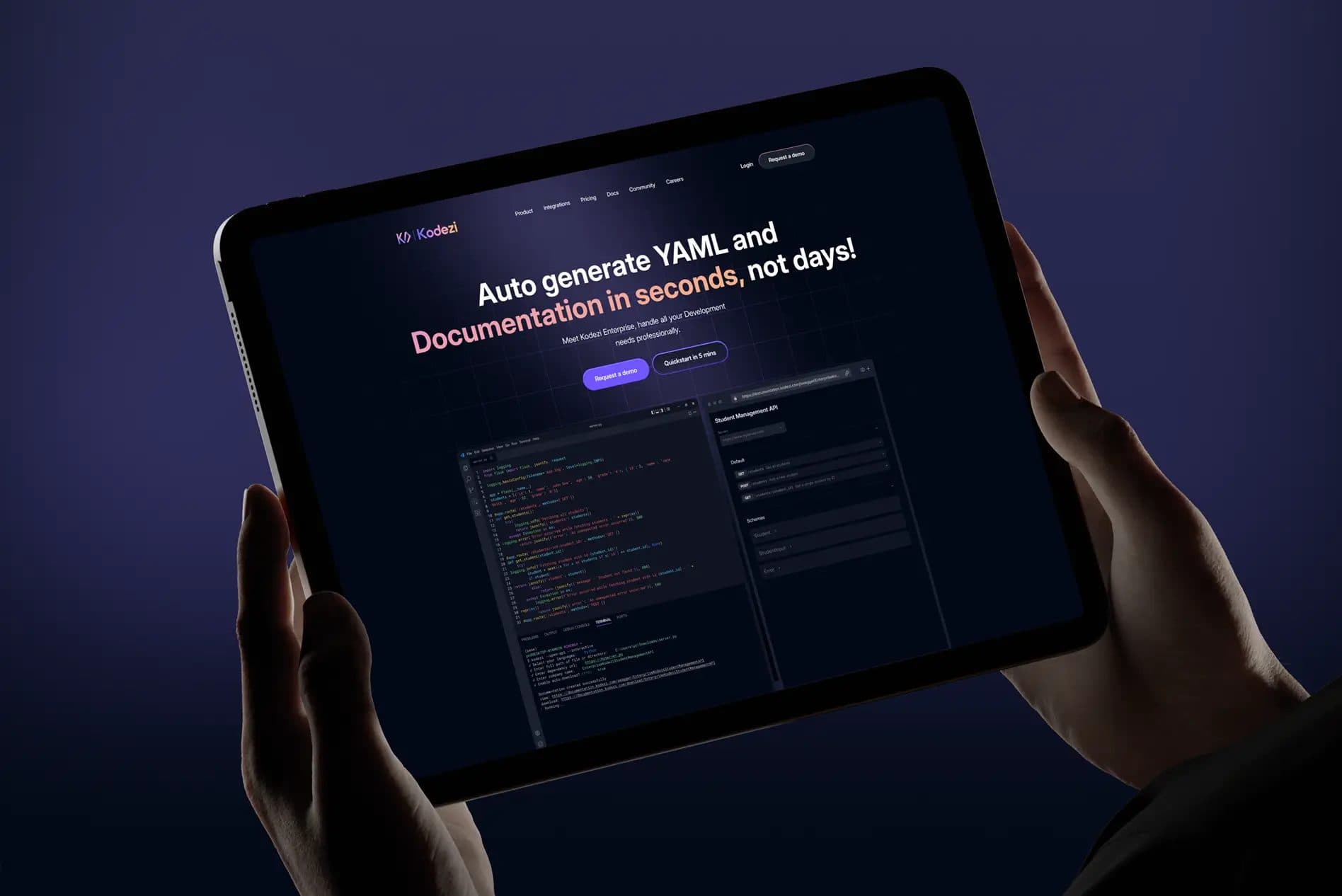
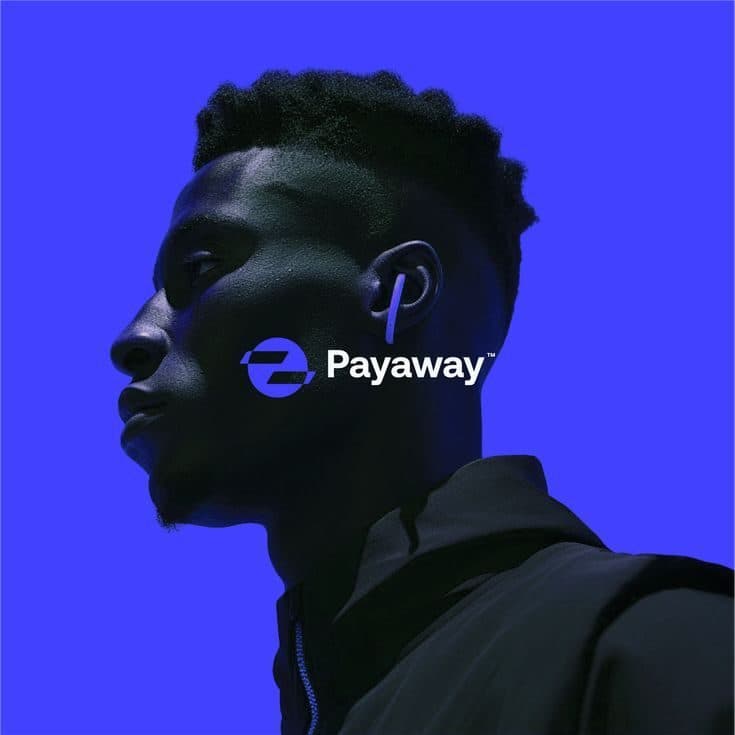
02 Embody Now
03 Baby Spacezone
04 ATX FleetFlow
We have built for founders validating a first product and for teams on their third. What carries across every one of them is a first release scoped to prove something specific, and an architecture that survives being right.
Tell us what you are working with: an idea, a half-built product, or a system that has stopped keeping up. We will talk through your goals, your technical constraints and a realistic timeline before anyone commits to anything. No pressure, and no generic pitch at the end of it.
If it turns out we are not the right fit, we will say so, and usually point you at who is.

[Startup App Development]
AppVertices helps startups turn an idea into a scalable, high-performing app — the feature set prioritized around an MVP, and the architecture built for the growth that follows.
Every one of these started where your product is starting now: an idea, a founder, and no certainty that anyone wanted it. What they share is a first release scoped tightly enough to reach real users quickly.



A website tells people you exist. An app is where they come back — push notifications, offline behavior, a place on the home screen, and evidence about what people actually do that no analytics dashboard can give you.
There are already several million apps, and the ones you are up against have had years to get good. Being new is not a feature.
A real product is months of work, and the temptation is to widen the scope every time someone has an idea for it.
Building the wrong thing well costs more than building the right thing twice, and most of that cost stays invisible until launch.
A few things are worth settling before development starts, because they are expensive to change afterwards: which platforms you actually need on day one, whether the product has to work offline, what data you are collecting and where it is allowed to live, and how the app will be supported once it is live. None of these are hard questions early. All of them are hard questions late.
We have built for founders validating a first product and for teams on their third. What carries across every one of them is a first release scoped to prove something specific, and an architecture that survives being right.
Tell us what you are working with: an idea, a half-built product, or a system that has stopped keeping up. We will talk through your goals, your constraints and a realistic timeline before anyone commits to anything.