

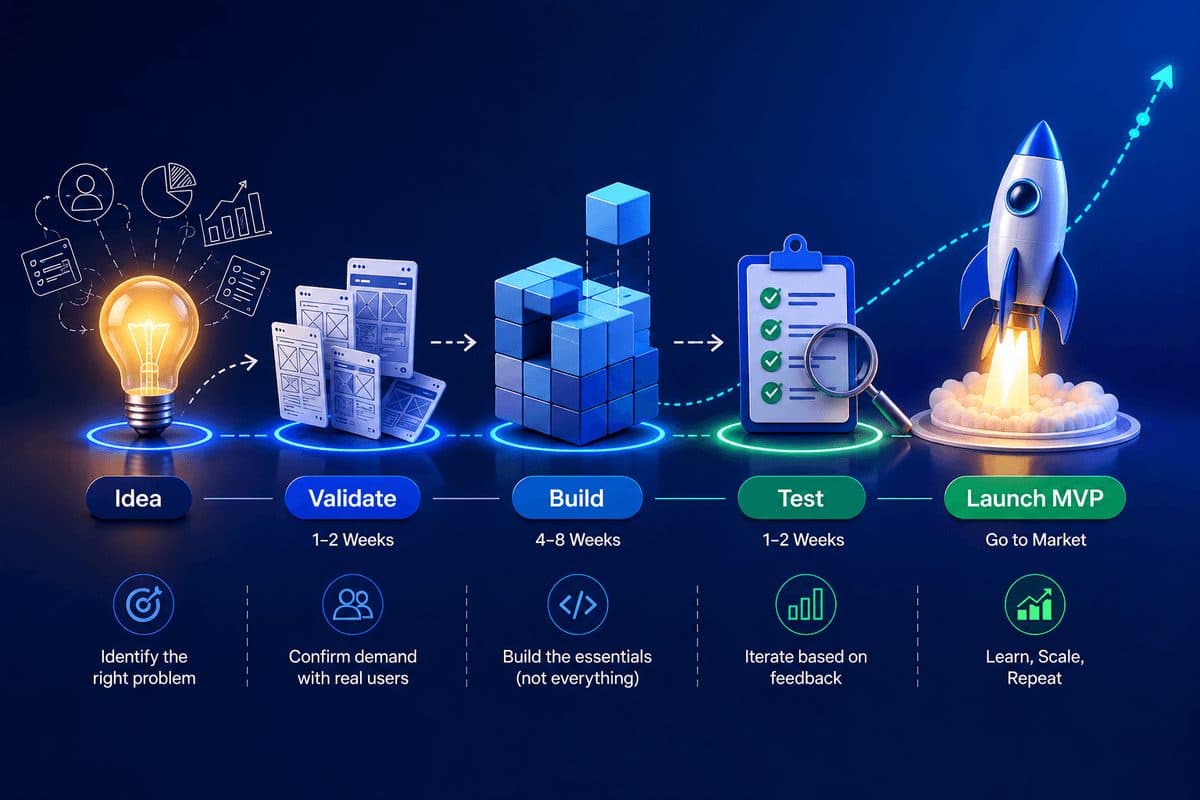
Blog3 September 20262 minute read
How Much Does It Cost to Build an App in the USA?
App budgets vary sharply by platform, features, integrations and complexity. Here is where the money actually goes.
[Careers / Life at AppVertices]
We build software for clients who are trusting us with their business, which means the people here get real responsibility early and the support to carry it. Developers, designers, QA engineers and project leads, working on the same projects rather than handing work between silos.
Nobody here is hired into a lane. An engineer who wants to learn the product side sits in discovery; a designer curious about the build reads the pull requests. We work across mobile, web, AI and cloud, which means there is always something adjacent to learn, and the projects are short enough that you learn it on real work rather than in a course.


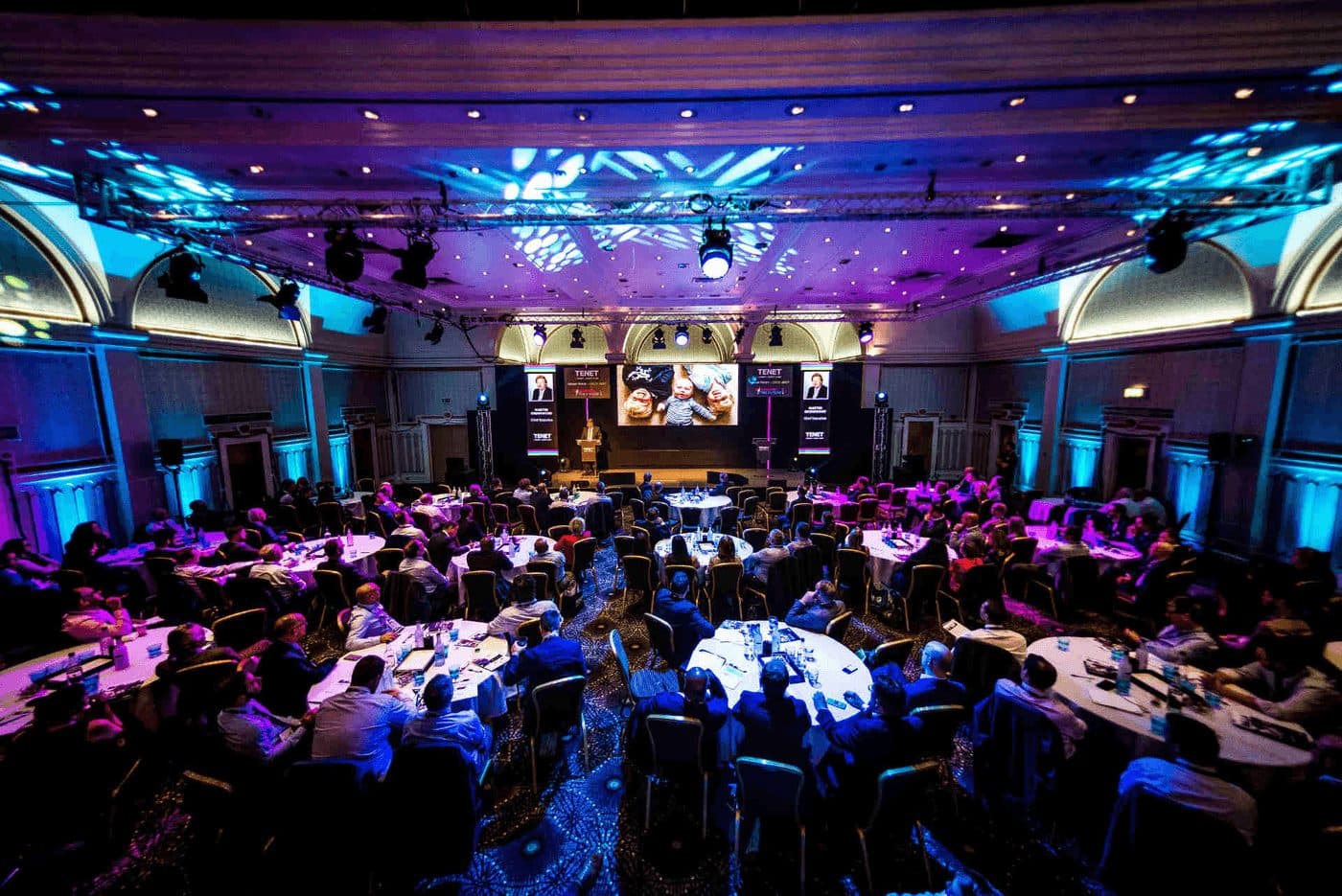








Software companies are unusually well placed to be useful outside their own business, and unusually good at not bothering. We would rather be the other kind, so a share of our engineering time goes to work that has no invoice attached to it.
That has meant building tools for nonprofits that could not have paid for them, mentoring students who are the first in their family to write code, and giving our team paid time to work on something they care about rather than something we billed for.
We do not publicise most of it, and we do not count it as marketing.
If you are working on something in this space and need engineering help, tell us what it is.
App budgets vary sharply by platform, features, integrations and complexity. Here is where the money actually goes.

The cheapest quote rarely tells the full story. What to assess before you sign anything.

Pride Real Estate gives buyers, renters and sellers verified listings, practical filters and secure access.

There is no universally winning stack. How to choose against your product, your team and your runway.

Your development model affects more than payroll — speed, depth, flexibility and what happens at month twelve.

ATX FleetFlow brought tracking, routing, dispatch and delivery status into one operational picture.

We work in short sprints with regular check-ins, which is as much about the team as it is about the client: nobody disappears into a six-week block of work and re-emerges having built the wrong thing. Progress is visible weekly, and so is the point at which somebody needs help.
Hours are the hours the work needs, not the hours a policy says. In practice that means very few late nights, because a project that needs them has usually been scoped wrongly and we would rather fix the scope. Deadlines are negotiated with the people who have to meet them.
We value directness over politeness for its own sake, which applies internally as much as it does with clients.
Owning a mistake quickly is always cheaper than explaining it away.













[Careers / Life at AppVertices]
We build software for clients who are trusting us with their business, which means the people here get real responsibility early and the support to carry it. Developers, designers, QA engineers and project leads, working on the same projects rather than handing work between silos.
Nobody here is hired into a lane. An engineer who wants to learn the product side sits in discovery; a designer curious about the build reads the pull requests. We work across mobile, web, AI and cloud, which means there is always something adjacent to learn, and the projects are short enough that you learn it on real work rather than in a course.
Software companies are unusually well placed to be useful outside their own business, and unusually good at not bothering. We would rather be the other kind, so a share of our engineering time goes to work that has no invoice attached to it.
That has meant building tools for nonprofits that could not have paid for them, mentoring students who are the first in their family to write code, and giving our team paid time to work on something they care about rather than something we billed for.
We do not publicise most of it, and we do not count it as marketing.
If you are working on something in this space and need engineering help, tell us what it is.
A practical look at the decisions behind the build, and what they cost you later.
A practical look at the decisions behind the build, and what they cost you later.
A practical look at the decisions behind the build, and what they cost you later.
A practical look at the decisions behind the build, and what they cost you later.
A practical look at the decisions behind the build, and what they cost you later.
A practical look at the decisions behind the build, and what they cost you later.
We work in short sprints with regular check-ins, which is as much about the team as it is about the client: nobody disappears into a six-week block of work and re-emerges having built the wrong thing. Progress is visible weekly, and so is the point at which somebody needs help.
Hours are the hours the work needs, not the hours a policy says. In practice that means very few late nights, because a project that needs them has usually been scoped wrongly and we would rather fix the scope. Deadlines are negotiated with the people who have to meet them.
We value directness over politeness for its own sake, which applies internally as much as it does with clients.
Owning a mistake quickly is always cheaper than explaining it away.