
iOS App Development
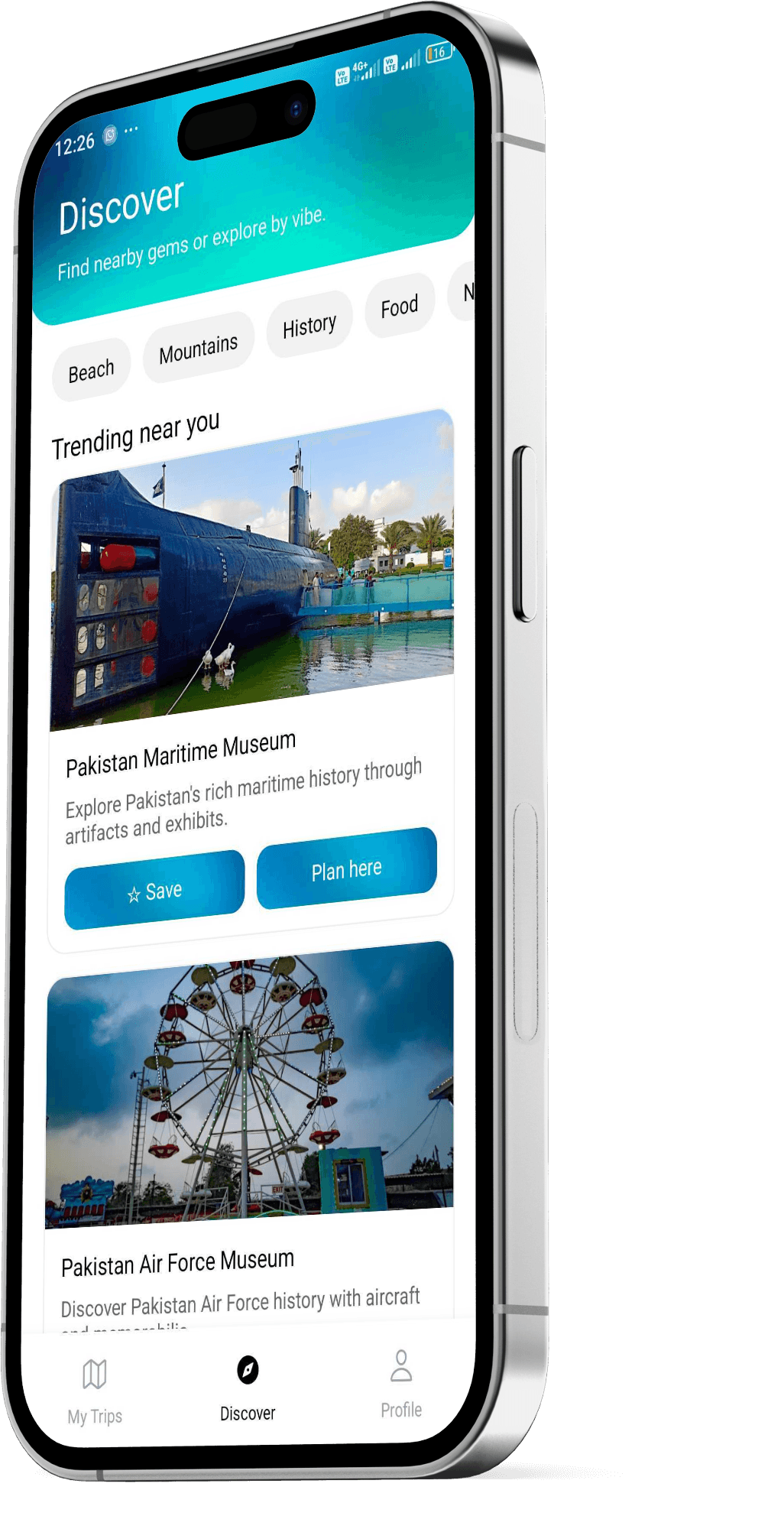
Swift and SwiftUI, built for the devices your customers actually carry and reviewed against App Store policy before submission rather than after a rejection.
[Dallas, TX]
We build mobile products for companies across the Metroplex — logistics, manufacturing, healthcare and the technology firms around them. Same engineers from scope to release, and the code is yours at the end of it.
Trusted App Developers in the DFW Metroplex






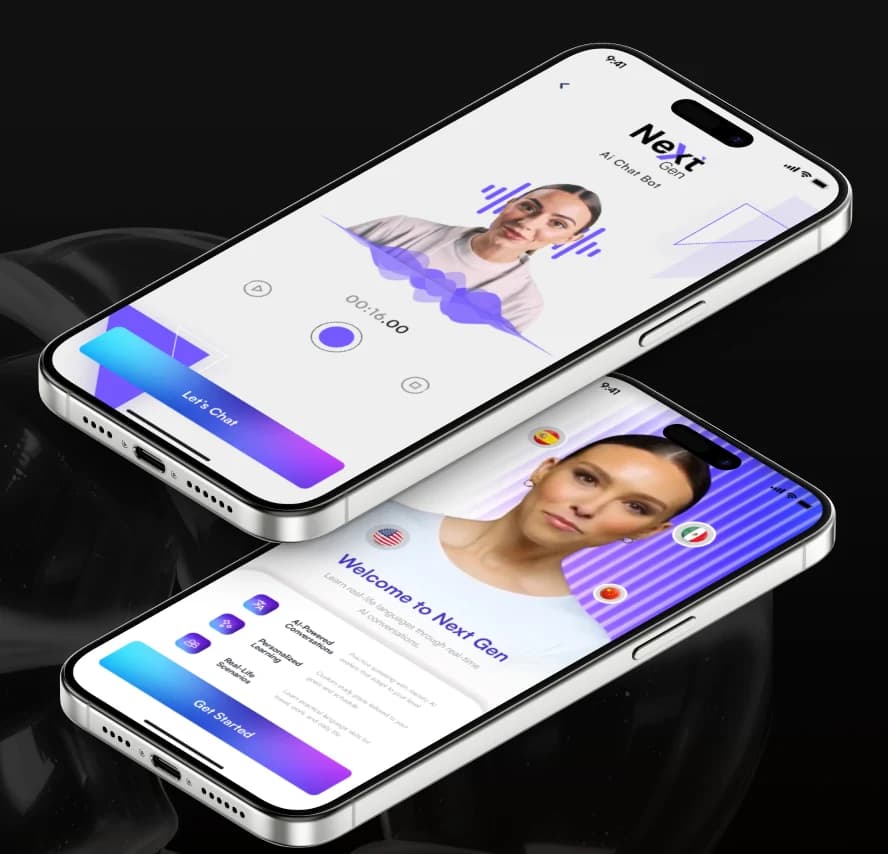
The Metroplex runs on logistics, manufacturing and healthcare, and each of them brings a constraint a general-purpose build does not survive: a scanner that has to work in a warehouse with no signal, a shift pattern the app has to understand, a record that cannot leave the state.
We have shipped against all three. That is most of what you are buying — not a framework preference, but a team that has already met the thing that is about to go wrong on your project.
Six things Dallas clients ask us for most often. Each one is a team that has shipped it before, not a capability we are standing up for the first time on your project.
Swift and SwiftUI, built for the devices your customers actually carry and reviewed against App Store policy before submission rather than after a rejection.
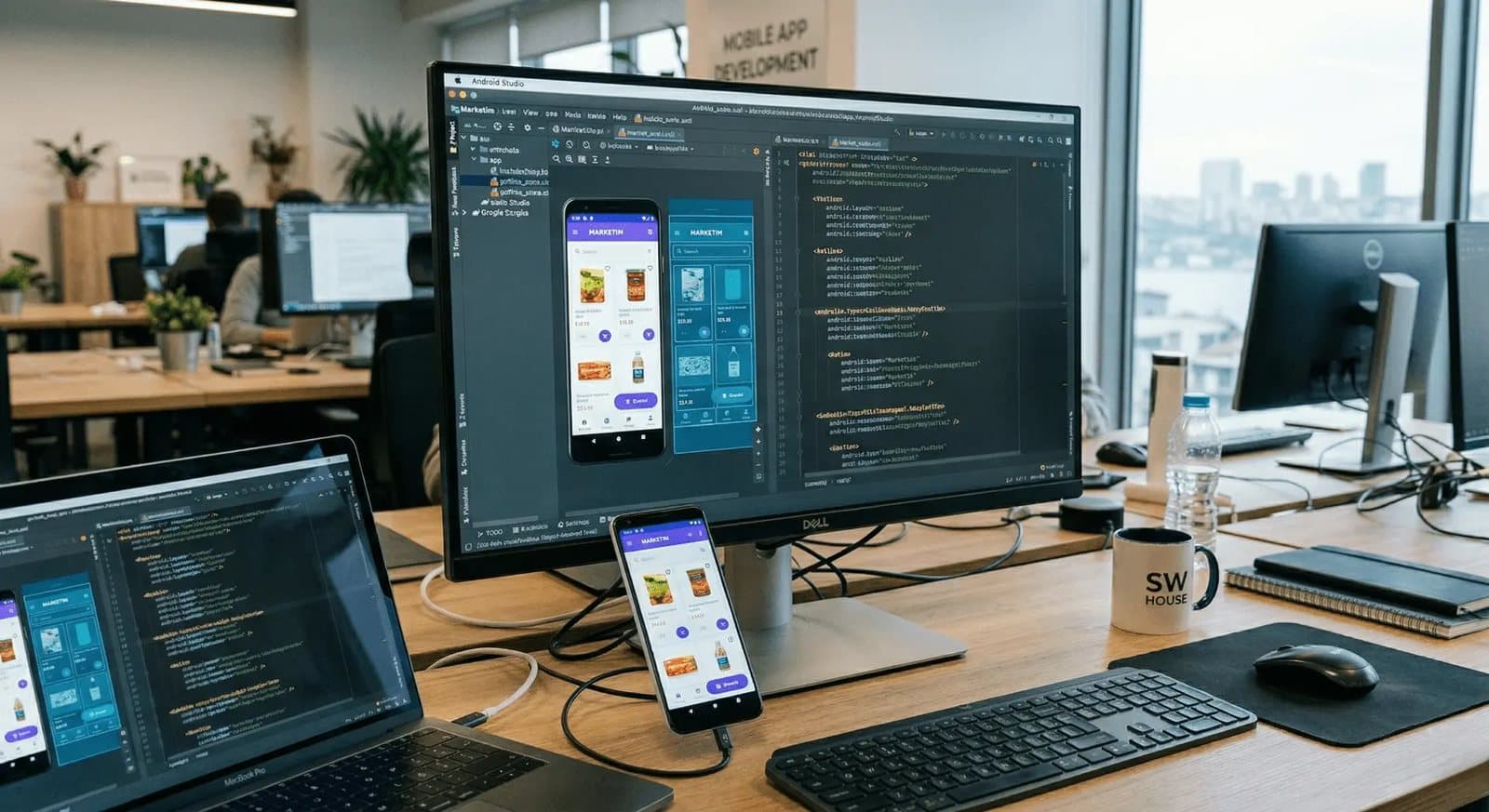
Kotlin and Jetpack Compose, and the unglamorous work of making an app behave on a mid-range handset three years old — which in most fleets is the median device.
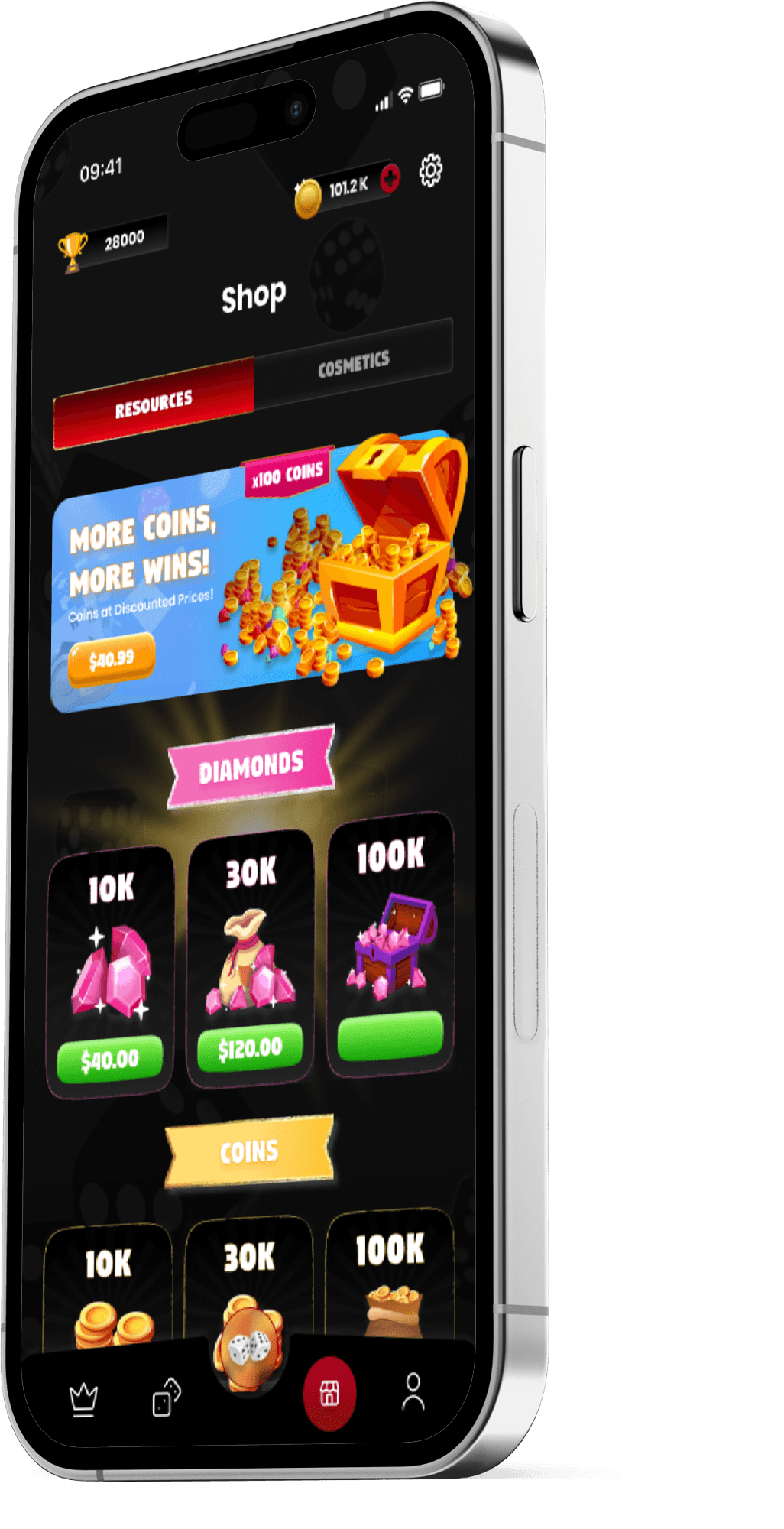
Real-time play, leaderboards and the economy behind them, built so the server survives the evening that the game finally takes off.
One codebase to both stores where that is genuinely the right answer, with the platform channels written natively for the parts that are not.
Flutter or React Native chosen per product rather than per vendor, and a straight recommendation when neither is the right call.
Models in a product rather than a demo: the retrieval, the guardrails, the evaluation set and the fallback for when the model is wrong in front of a customer.
Tell us what you are trying to build and who it is for. We will come back with scope, a number and the first thing we would do — usually within two working days.
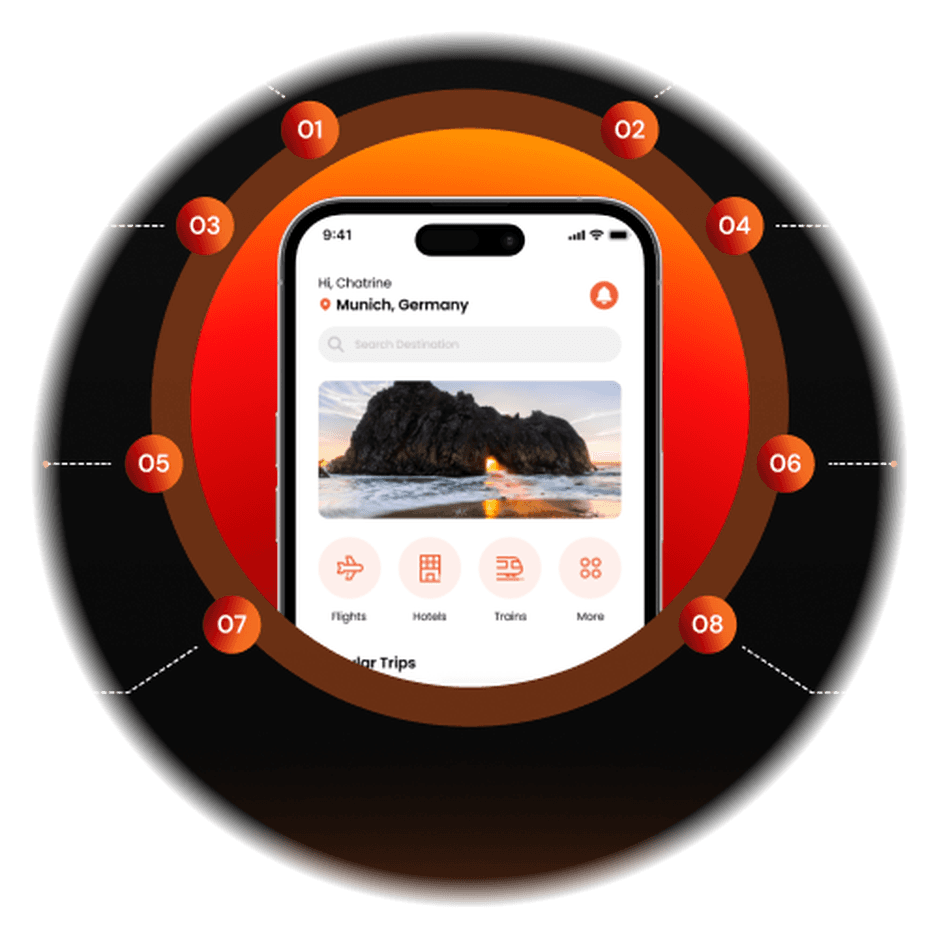
Built for the load you expect in year three rather than the one you have at launch, so growth is a bill rather than a rewrite.
PCI-aware flows, tokenised cards and a reconciliation path, because the hard part of payments is the week after they fail.
Models where they earn their place — search, triage, summarisation — with a fallback for the times they are confidently wrong.
A queue that survives a dropped signal and a locked screen, and a merge rule for what happens when it comes back.
AWS, Azure or GCP behind the app, described in code and sized to what the workload does rather than what it was provisioned for.
Segmented, rate-limited and measured, so the channel is still worth having after the first month.
Events defined before launch rather than retrofitted, which is the difference between a dashboard and a guess.
The ERP, the CRM and the half-documented internal service, wrapped in something your app can depend on.
Seven stages, each ending in something you can look at rather than a status update. Nothing moves on until you have signed off the last.
A successful Android app starts with a clear product plan, defined users, and realistic technical requirements. During discovery, we examine your business goals, target audience, core features, user workflows, existing systems, and launch priorities. For existing apps, we review the codebase, architecture, performance, and current user experience to identify what needs to change and what can stay.
We also assess the technical requirements behind the app, including Android SDK capabilities, device compatibility, backend systems, APIs, authentication, databases, and third-party services. This surfaces technical issues before development begins rather than after significant work has already been completed.


Q1. What Is The Current Stage Of Your Project?
Recognized for delivering high-quality software, mobile applications, and digital products that help businesses turn ideas into working technology. Our achievements reflect the experience, technical expertise, and commitment behind the products we build for startups, growing businesses, and established organizations.
America's Fastest Growing Companies
America's Fastest Growing Top Web Development Agencies 2023
Silver Awards Winner 2020

Top 1000 Companies
Top Mobile App Development Company 2023
Top Entertainment App Developers

Best Mobile App Developer
Top App Development Companies
Web Excellence Awards
Top Entertainment App Developers
Excellence in Web Creativity & Digital Communication
Logistics, manufacturing and healthcare are what the Metroplex runs on, and each one changes what the app has to survive.






We work out of Houston and travel to Dallas clients weekly; whiteboard sessions happen on your site more often than on ours, which suits most people better anyway.

Far North Dallas, 14555 Dallas Pkwy Ste 100-227, Dallas, TX 75254, United States.
$10,000 to $49,999
Dec 2024 – Sep 2025
Mobile app development for a retail chain in the weight-loss supplements market, from scope through release.
5.0
Quality
5.0
Schedule
5.0
Cost
5.0
Refer
5.0
“They really took the time to understand our business, our customer base, and our goals.”
Published on Clutch, where the full review and its ratings can be read in context.
President, Supplement King
Canada
11-50 Employees
Verified
Four things that are true of every engagement here, and that are worth checking against anyone else you are talking to.
A decade of shipping mobile products, and the scar tissue that comes with it. You get people who have met your problem before.
Your repository, your cloud account, your ticket tracker. You can see what is happening without asking us what is happening.
Least privilege, encrypted storage and transport, dependency scanning in the pipeline, and an audit trail your compliance team can read.
Functional, device-matrix and accessibility testing on the build you are about to ship, not the one before it.
Most of the work that decides whether an app succeeds happens before anyone writes code: what it is for, who it is for, and what it has to do on the worst day rather than the demo.
We do that part with you rather than for you, because you know the business and we know what the software will cost to keep running afterwards.
Then we build it — one team, fixed phases, something installable at the end of every two weeks.
An MVP is six to ten weeks from signed scope to a build in a store, and a mid-complexity product with integrations and a back end is three to five months. For DFW enterprise work the long pole is usually procurement and security review rather than the build, so we scope the approval path at the same time as the product.
Tell us what you are building, who it is for and when it needs to be live. You will get a written scope, a realistic range, and a named engineer on the call rather than a sales deck.

[Dallas, TX]
Trusted App Developers in the DFW Metroplex
We build mobile products for companies across the Metroplex — logistics, manufacturing, healthcare and the technology firms around them. Same engineers from scope to release, and the code is yours at the end of it.
The Metroplex runs on logistics, manufacturing and healthcare, and each of them brings a constraint a general-purpose build does not survive: a scanner that has to work in a warehouse with no signal, a shift pattern the app has to understand, a record that cannot leave the state.
We have shipped against all three. That is most of what you are buying — not a framework preference, but a team that has already met the thing that is about to go wrong on your project.
Talk to Our Dallas TeamSix things Dallas clients ask us for most often. Each one is a team that has shipped it before, not a capability we are standing up for the first time on your project.
Swift and SwiftUI, built for the devices your customers actually carry and reviewed against App Store policy before submission rather than after a rejection.
Kotlin and Jetpack Compose, and the unglamorous work of making an app behave on a mid-range handset three years old — which in most fleets is the median device.
Real-time play, leaderboards and the economy behind them, built so the server survives the evening that the game finally takes off.
One codebase to both stores where that is genuinely the right answer, with the platform channels written natively for the parts that are not.
Flutter or React Native chosen per product rather than per vendor, and a straight recommendation when neither is the right call.
Models in a product rather than a demo: the retrieval, the guardrails, the evaluation set and the fallback for when the model is wrong in front of a customer.
Tell us what you are trying to build and who it is for. We will come back with scope, a number and the first thing we would do — usually within two working days.
Connect With Our Dallas TeamBuilt for the load you expect in year three rather than the one you have at launch, so growth is a bill rather than a rewrite.
PCI-aware flows, tokenised cards and a reconciliation path, because the hard part of payments is the week after they fail.
Models where they earn their place — search, triage, summarisation — with a fallback for the times they are confidently wrong.
A queue that survives a dropped signal and a locked screen, and a merge rule for what happens when it comes back.
AWS, Azure or GCP behind the app, described in code and sized to what the workload does rather than what it was provisioned for.
Segmented, rate-limited and measured, so the channel is still worth having after the first month.
Events defined before launch rather than retrofitted, which is the difference between a dashboard and a guess.
The ERP, the CRM and the half-documented internal service, wrapped in something your app can depend on.
Seven stages, each ending in something you can look at rather than a status update. Nothing moves on until you have signed off the last.
A successful Android app starts with a clear product plan, defined users, and realistic technical requirements. During discovery, we examine your business goals, target audience, core features, user workflows, existing systems, and launch priorities. For existing apps, we review the codebase, architecture, performance, and current user experience to identify what needs to change and what can stay.
We also assess the technical requirements behind the app, including Android SDK capabilities, device compatibility, backend systems, APIs, authentication, databases, and third-party services. This surfaces technical issues before development begins rather than after significant work has already been completed.
Android app design should make important actions obvious and easy to complete. We start with how users will interact with the application, then turn those requirements into clear navigation, screens, and workflows, wireframing onboarding, registration, search, purchasing, booking, and account management before any visual design.
We design for the Android ecosystem rather than treating mobile screens like smaller versions of a website. Layouts, touch interactions, navigation, typography, and controls are planned around different screen sizes and device configurations, using Material Design principles while keeping your brand identity.
Development turns the approved requirements and designs into a working application. Our developers use Kotlin, Java, Android SDK technologies, and Jetpack Compose, covering screens, navigation, business logic, data handling, authentication, device functionality, and connections with the backend systems that power the application.
For an existing Android application, a complete rebuild is not always necessary. We can improve specific features, modernize parts of the architecture, resolve performance issues, replace outdated components, or add new functionality based on the product’s actual technical condition.
Android app testing checks whether the application works reliably across the devices, Android versions, and real-world conditions your users may encounter. QA covers individual features, complete user workflows, navigation, integrations, permissions, and expected behaviour across screen sizes, hardware, and OS versions.
We also test what affects everyday usage: slow or interrupted connections, background activity, loading states, and device limitations. Testing starts during development, and issues are documented, prioritized, fixed, and tested again before deployment.
Launching an Android app involves more than publishing an APK. We prepare production builds, signing configurations, permissions, application settings, release requirements, and Google Play information, and review backend services, APIs, databases, and analytics before deployment.
After launch, analytics and monitoring give visibility into crashes, performance, and user behaviour. Support can include bug fixes, Android version compatibility updates, performance optimization, security improvements, API changes, and new feature work as devices, services, and business requirements change.
Recognized for delivering high-quality software, mobile applications, and digital products that help businesses turn ideas into working technology. Our achievements reflect the experience, technical expertise, and commitment behind the products we build for startups, growing businesses, and established organizations.
 INC. 5000America's Fastest Growing Companies
 Rank WatchAmerica's Fastest Growing Top Web Development Agencies 2023
 Horizon AwardSilver Awards Winner 2020
 ClutchTop 1000 Companies
 Right FirmsTop Mobile App Development Company 2023
 Top DevelopersTop Entertainment App Developers
 ExpertiseBest Mobile App Developer
 Software WorldTop App Development Companies
 Web ExcellenceWeb Excellence AwardsTop Developers Top Entertainment App Developers
 Dot CommExcellence in Web Creativity & Digital Communication
Logistics, manufacturing and healthcare are what the Metroplex runs on, and each one changes what the app has to survive.
We work out of Houston and travel to Dallas clients weekly; whiteboard sessions happen on your site more often than on ours, which suits most people better anyway.
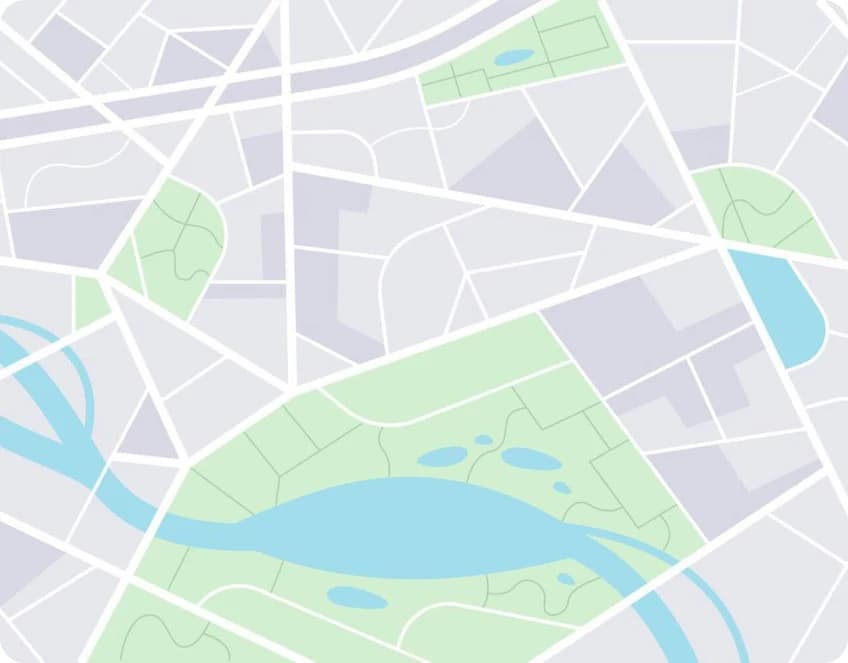
Far North Dallas, 14555 Dallas Pkwy Ste 100-227, Dallas, TX 75254, United States.
Four things that are true of every engagement here, and that are worth checking against anyone else you are talking to.
A decade of shipping mobile products, and the scar tissue that comes with it. You get people who have met your problem before.
Your repository, your cloud account, your ticket tracker. You can see what is happening without asking us what is happening.
Least privilege, encrypted storage and transport, dependency scanning in the pipeline, and an audit trail your compliance team can read.
Functional, device-matrix and accessibility testing on the build you are about to ship, not the one before it.
Most of the work that decides whether an app succeeds happens before anyone writes code: what it is for, who it is for, and what it has to do on the worst day rather than the demo.
We do that part with you rather than for you, because you know the business and we know what the software will cost to keep running afterwards.
Then we build it — one team, fixed phases, something installable at the end of every two weeks.
Build Your App With AppVerticesAn MVP is six to ten weeks from signed scope to a build in a store, and a mid-complexity product with integrations and a back end is three to five months. For DFW enterprise work the long pole is usually procurement and security review rather than the build, so we scope the approval path at the same time as the product.
Yes. OS releases, store policy changes, dependency upgrades and an on-call path, on a monthly agreement with the response targets written into it — or a handover with the runbooks, which is what most Dallas clients with an in-house platform team end up preferring.
In the Metroplex, mostly logistics, manufacturing and healthcare, plus the technology firms around them. The regulated ones change what has to be evidenced rather than how the work is run.
Fixed phases tied to milestones you approve, quoted after a scope we both recognise. The estimator above gets you to a range in about a minute; the quote comes after a conversation.
Real-time data, hardware integrations and products that have to clear a security review are the normal case here rather than the exception. If something would be better bought than built, we will say so before you pay us to build it.