

INC. 5000
America's Fastest Growing Companies
[Austin, Texas]
We build mobile products for Austin companies — SaaS, health tech, consumer and the startups around them — with the same engineers from scope to release. The code, the designs and the accounts are yours at the end of it.
Trusted App Developers in Central Texas










We work out of Houston and are in Austin most weeks; the whiteboard sessions happen on your site, which suits most people better than ours would.


Downtown Austin, 701 Brazos St Ste 500, Austin, TX 78701, United States.
Recognized for delivering high-quality software, mobile applications, and digital products that help businesses turn ideas into working technology. Our achievements reflect the experience, technical expertise, and commitment behind the products we build for startups, growing businesses, and established organizations.
America's Fastest Growing Companies

America's Fastest Growing Top Web Development Agencies 2023

Silver Awards Winner 2020

Top 1000 Companies

Top Mobile App Development Company 2023

Top Entertainment App Developers

Best Mobile App Developer

Top App Development Companies

Web Excellence Awards
Top Entertainment App Developers
Excellence in Web Creativity & Digital Communication
Six things Austin clients ask us for most often. Each one is a team that has shipped it before, not a capability we are standing up for the first time on your project.
A product built around what your business actually does rather than what a template allows, with the architecture underneath it able to survive being right.
Swift and SwiftUI, built for the devices your customers carry and reviewed against App Store policy before submission rather than after a rejection.
Kotlin and Jetpack Compose, and the unglamorous work of making an app behave on a mid-range handset three years old.
Flutter or React Native where one codebase is genuinely the right answer, and a straight recommendation when it is not.
SSO, audit trails, role models and the migration plan that gets people onto the thing. Enterprise software fails on integration and rollout far more often than on features.
App behaviour without the app store: installable, offline-capable and indexable, for the products where a download is the thing standing in the way.
Non-Executive Director, AppVertices
Before anything is scoped, somebody who has shipped this kind of product looks at what you are proposing and tells you what they think. That is a conversation, not a pitch deck.
Thirty minutes, no obligation, and you leave with a straight answer about whether the thing is worth building and roughly what it would take.
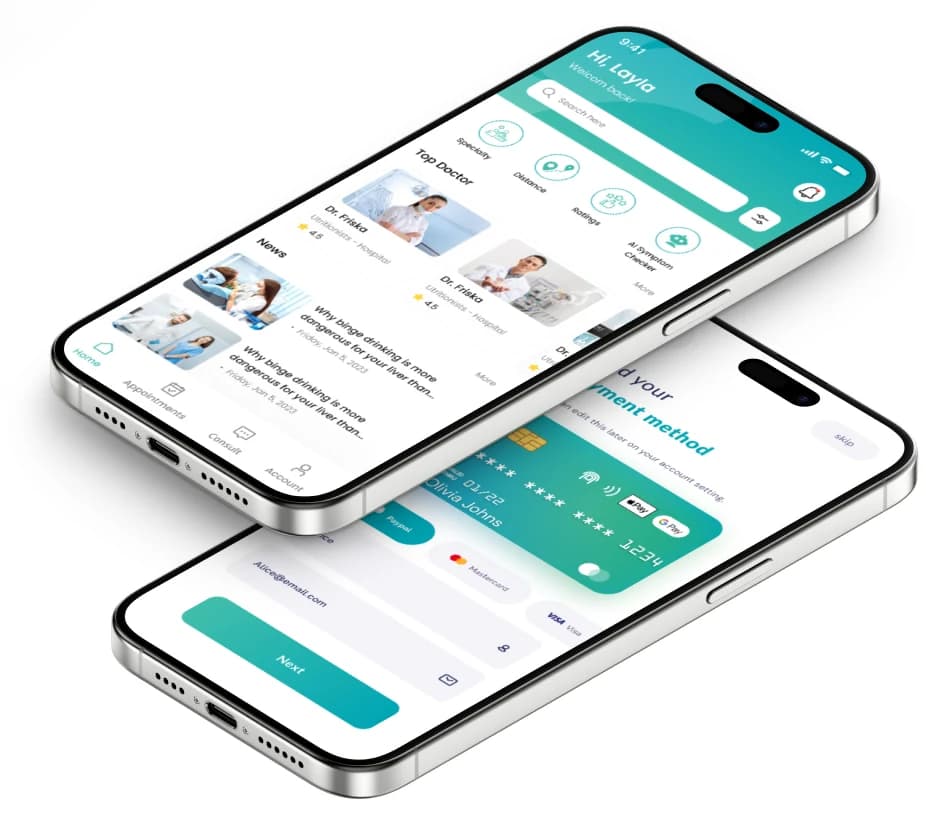
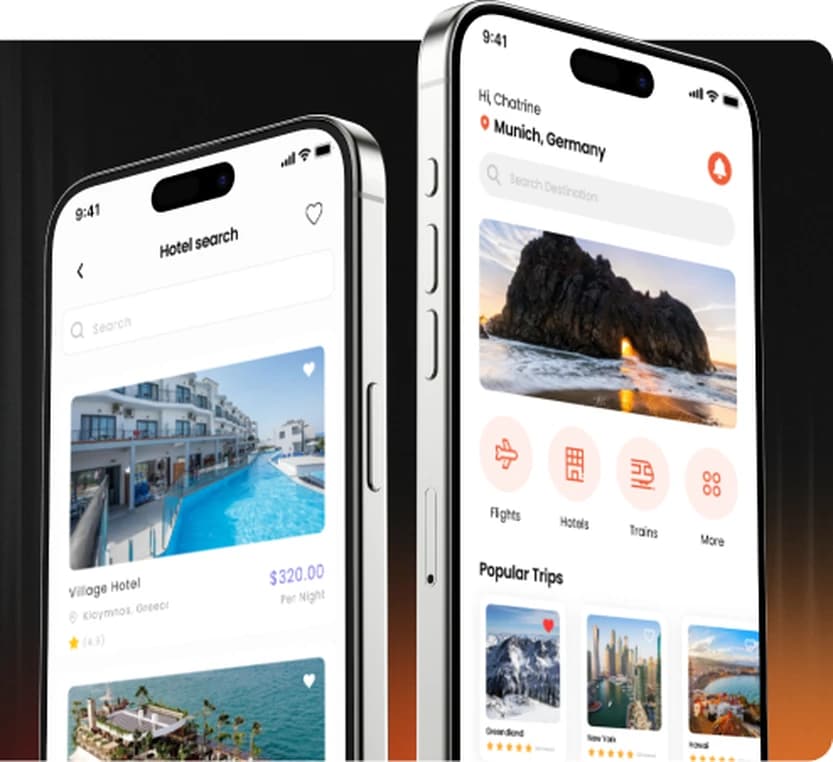
Six products that shipped, with their own case studies where one has been written. The pictures are the products, not mock-ups of them.
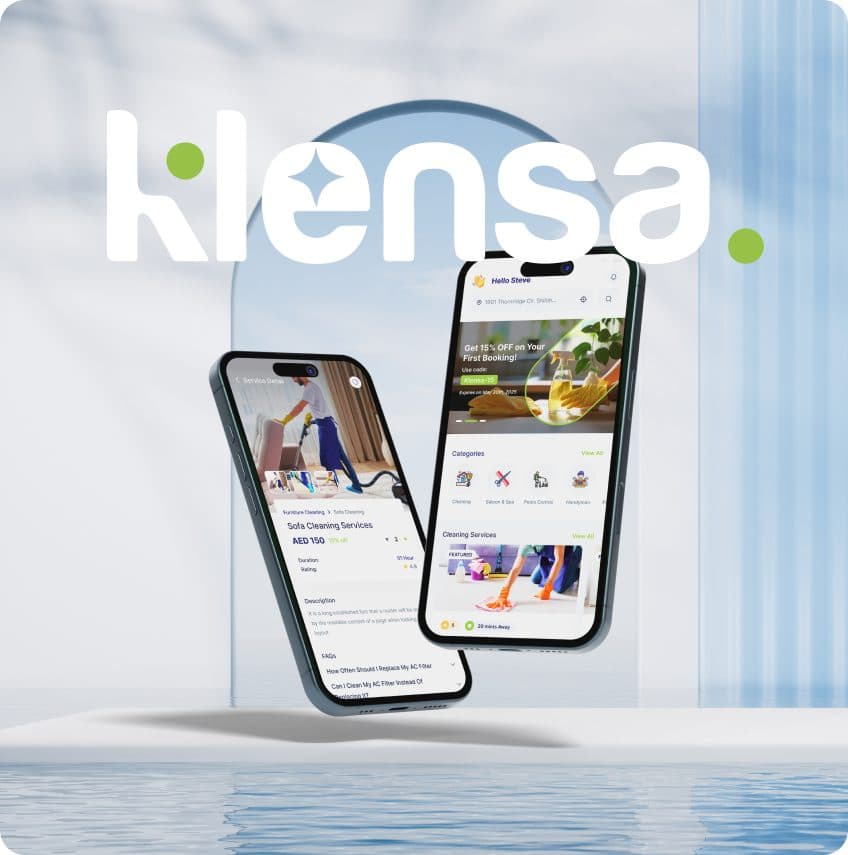
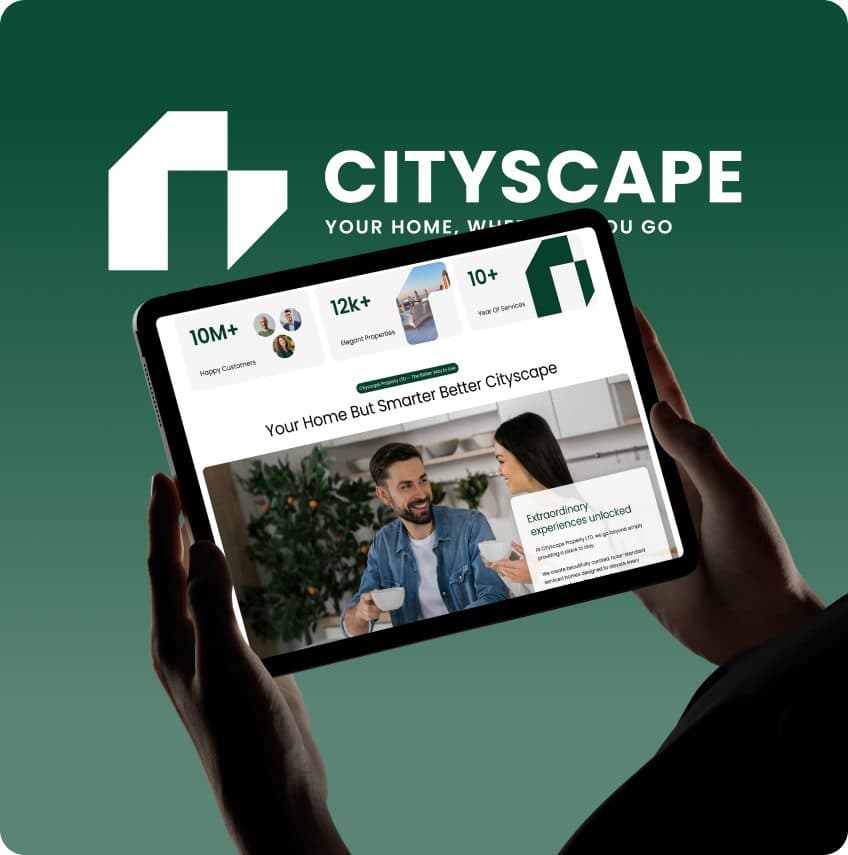
Verified rent and sale listings, location and price filters, and OTP sign-in that keeps onboarding quick.
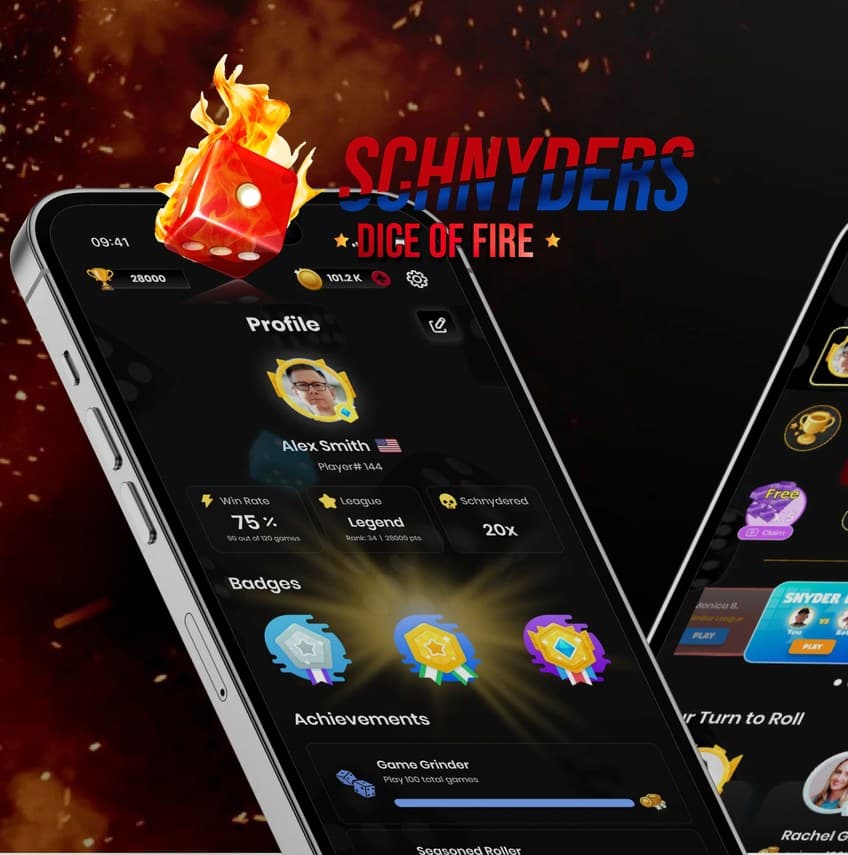
View Case StudyA competitive multiplayer dice game for iOS and Android, with tournaments, leaderboards and friend challenges.
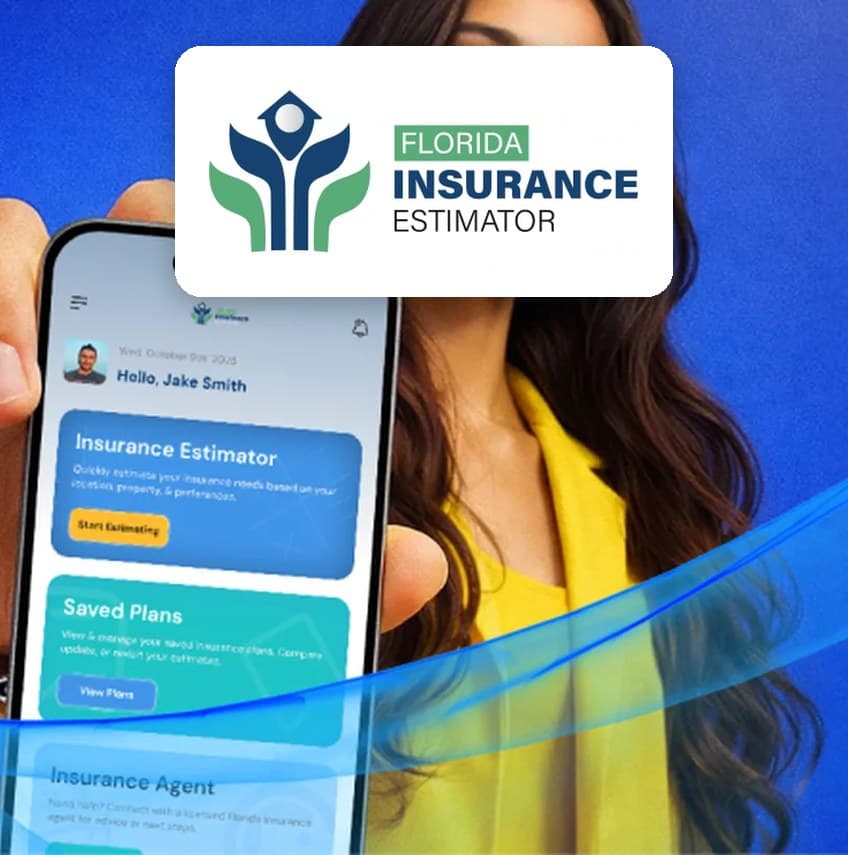
View Case StudyAn insurtech platform across web, iOS and Android that estimates cover before a homeowner asks for a quote.
View Case StudyA wellness product built for daily use, where the retention problem is the design problem.
A parenting app whose content has to be as trustworthy as it is easy to reach at 3am.
Fleet and dispatch, designed for a dropped signal and a locked screen before anything else.
Tell us what you are trying to build and who it is for. We will come back with scope, a number and the first thing we would do — usually within two working days.
A coaching business that had outgrown spreadsheets and calendar invites: the programme worked, but only while its founder was personally in the room for it.
We turned the method into a product — cohorts, assignments, check-ins and the reporting that tells a coach who is falling behind before the client does.
Shipped to both stores, with the admin side on the web, and a back end the team can run without us.

I worked with AppVertices on a mobile app project and was impressed by their professionalism and organized process from start to finish.
Nadim Husam
Head of Digital Initiatives, Leading Transportation Ministry
AppVertices delivered a solid app for our real estate business. Their technical skills and constant support, especially from Max, made the process worthwhile.
Amanda Clark
CEO/Founder, Htown App
AppVertices built a custom internal system that simplified our workflows across departments. The intuitive interface and performance made a real difference.
David Therrien
Head of Marketing, Manufacturing Company
As a CTO, I found their work exceptional. They delivered a secure, scalable dashboard with great usability and excellent post-launch support.
James Dailey
CTO, Technology Company
AppVertices developed our AR science app, and it exceeded expectations. Their team felt like a true partner from day one, and the results speak for themselves.
Maria Smith
Co-Founder, Scilens
We approached AppVertices to revamp the UI/UX of our online learning platform. Their design team transformed our user interface into an intuitive and engaging experience.
Allen Mitchell
CEO, Education Training Center
Three ways to work with us. Which one fits is usually decided by how settled the scope is and whether you want the team afterwards.
A defined product, a fixed price and milestones you approve. Best when the thing is well understood and the budget has to be a number before it starts.
Engineers, designers and a lead working only on your product, on your board, at a monthly rate. Best when the scope will move and you want it to.
Named people into your existing team, under your process and your lead. Best when you know what to build and need more hands to build it.
Three clients on what they came to us with, what we changed, and what happened after the software went live. The clips are theirs, not a scripted testimonial.



If the plan is sound and the problem is capacity, that is the easiest engagement there is. Tell us what is on the board and who is already on it.












Five stages, each ending in something you can look at rather than a status update. Nothing moves on until you have signed off the last.
What the product has to do, who for, and what it is competing with for their attention. The output is a scope you recognise and a number you can take to a board.
Flows first, then screens, then a clickable prototype you can put in front of five real users before a line of production code is written.
Two-week cycles with something installable at the end of each. You see the app on a device while it is being built, not at the end of it.
Functional, device-matrix, performance and accessibility testing, run against the build you are about to ship rather than the one before it.
Staged release, the monitoring that tells you within the hour if it is misbehaving, and the capacity work that follows the first real traffic.
Six sectors we have shipped in, and the constraint each one brings that a general-purpose build does not survive.






Four things that are true of every engagement here, and that are worth checking against anyone else you are talking to.
We know what Austin companies are competing with for engineers and for attention, and we scope accordingly rather than optimistically.
App, API, data and infrastructure from one team, so there is nobody to hand a problem to when it turns out to live between two of them.
Full-time employees rather than a rotating bench. The people who scope your product are the people who build it.
Fixed phases tied to milestones you approve, and something installable at the end of every two weeks to judge them by.
Most slipped dates are scope that moved without anyone saying so. We agree what is in, say plainly when something changes it, and ship the rest on the day we said.
An MVP is six to ten weeks from signed scope to a build in a store, and a mid-complexity product with integrations and a back end is three to five months. Austin timelines are more often set by a funding milestone or a launch date than by a regulator, and we scope backwards from whichever one is actually binding.
Tell us what you are building, who it is for and when it needs to be live. You will get a written scope, a realistic range, and a named engineer on the call rather than a sales deck.

[Austin, Texas]
Trusted App Developers in Central Texas
We build mobile products for Austin companies — SaaS, health tech, consumer and the startups around them — with the same engineers from scope to release. The code, the designs and the accounts are yours at the end of it.
We work out of Houston and are in Austin most weeks; the whiteboard sessions happen on your site, which suits most people better than ours would.

Downtown Austin, 701 Brazos St Ste 500, Austin, TX 78701, United States.
Recognized for delivering high-quality software, mobile applications, and digital products that help businesses turn ideas into working technology. Our achievements reflect the experience, technical expertise, and commitment behind the products we build for startups, growing businesses, and established organizations.
 INC. 5000America's Fastest Growing Companies
 Rank WatchAmerica's Fastest Growing Top Web Development Agencies 2023
 Horizon AwardSilver Awards Winner 2020
 ClutchTop 1000 Companies
 Right FirmsTop Mobile App Development Company 2023
 Top DevelopersTop Entertainment App Developers
 ExpertiseBest Mobile App Developer
 Software WorldTop App Development Companies
 Web ExcellenceWeb Excellence AwardsTop Developers Top Entertainment App Developers
 Dot CommExcellence in Web Creativity & Digital Communication
Six things Austin clients ask us for most often. Each one is a team that has shipped it before, not a capability we are standing up for the first time on your project.
A product built around what your business actually does rather than what a template allows, with the architecture underneath it able to survive being right.
Swift and SwiftUI, built for the devices your customers carry and reviewed against App Store policy before submission rather than after a rejection.
Kotlin and Jetpack Compose, and the unglamorous work of making an app behave on a mid-range handset three years old.
Flutter or React Native where one codebase is genuinely the right answer, and a straight recommendation when it is not.
SSO, audit trails, role models and the migration plan that gets people onto the thing. Enterprise software fails on integration and rollout far more often than on features.
App behaviour without the app store: installable, offline-capable and indexable, for the products where a download is the thing standing in the way.
Non-Executive Director, AppVertices
Before anything is scoped, somebody who has shipped this kind of product looks at what you are proposing and tells you what they think. That is a conversation, not a pitch deck.
Thirty minutes, no obligation, and you leave with a straight answer about whether the thing is worth building and roughly what it would take.
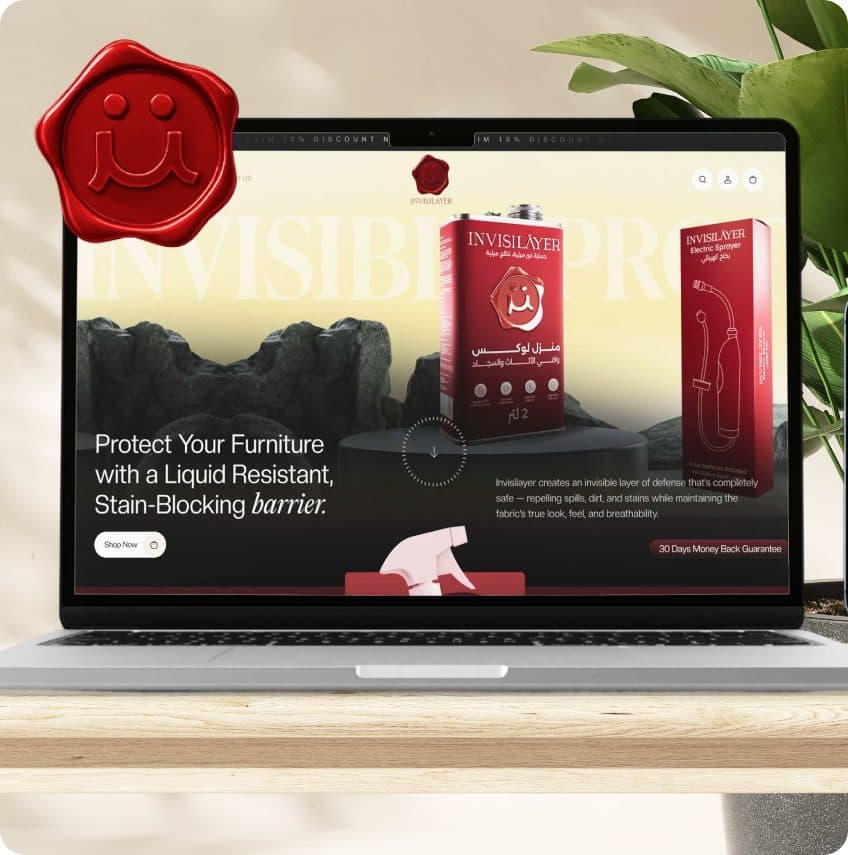
Schedule a CallSix products that shipped, with their own case studies where one has been written. The pictures are the products, not mock-ups of them.

Tell us what you are trying to build and who it is for. We will come back with scope, a number and the first thing we would do — usually within two working days.
Get a Free Austin App Consultation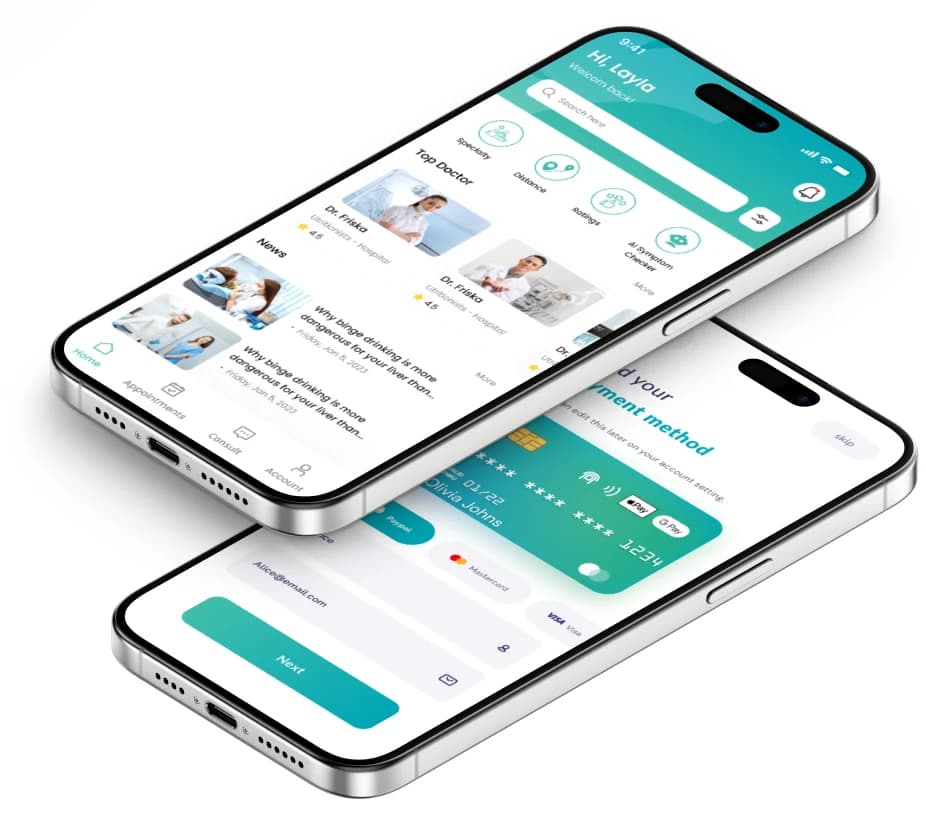
A coaching business that had outgrown spreadsheets and calendar invites: the programme worked, but only while its founder was personally in the room for it.
We turned the method into a product — cohorts, assignments, check-ins and the reporting that tells a coach who is falling behind before the client does.
Shipped to both stores, with the admin side on the web, and a back end the team can run without us.
View Case StudyThree ways to work with us. Which one fits is usually decided by how settled the scope is and whether you want the team afterwards.
A defined product, a fixed price and milestones you approve. Best when the thing is well understood and the budget has to be a number before it starts.
Engineers, designers and a lead working only on your product, on your board, at a monthly rate. Best when the scope will move and you want it to.
Named people into your existing team, under your process and your lead. Best when you know what to build and need more hands to build it.
If the plan is sound and the problem is capacity, that is the easiest engagement there is. Tell us what is on the board and who is already on it.
Connect With Our Austin, Texas TeamFive stages, each ending in something you can look at rather than a status update. Nothing moves on until you have signed off the last.
What the product has to do, who for, and what it is competing with for their attention. The output is a scope you recognise and a number you can take to a board.
Flows first, then screens, then a clickable prototype you can put in front of five real users before a line of production code is written.
Two-week cycles with something installable at the end of each. You see the app on a device while it is being built, not at the end of it.
Functional, device-matrix, performance and accessibility testing, run against the build you are about to ship rather than the one before it.
Staged release, the monitoring that tells you within the hour if it is misbehaving, and the capacity work that follows the first real traffic.
Six sectors we have shipped in, and the constraint each one brings that a general-purpose build does not survive.
Four things that are true of every engagement here, and that are worth checking against anyone else you are talking to.
We know what Austin companies are competing with for engineers and for attention, and we scope accordingly rather than optimistically.
App, API, data and infrastructure from one team, so there is nobody to hand a problem to when it turns out to live between two of them.
Full-time employees rather than a rotating bench. The people who scope your product are the people who build it.
Fixed phases tied to milestones you approve, and something installable at the end of every two weeks to judge them by.
Most slipped dates are scope that moved without anyone saying so. We agree what is in, say plainly when something changes it, and ship the rest on the day we said.
Book a scoping callAn MVP is six to ten weeks from signed scope to a build in a store, and a mid-complexity product with integrations and a back end is three to five months. Austin timelines are more often set by a funding milestone or a launch date than by a regulator, and we scope backwards from whichever one is actually binding.
Yes. OS releases, store policy changes, dependency upgrades and an on-call path, on a monthly agreement with the response targets written into it. Austin product teams frequently take the runbooks and own it in-house once they have hired, and the agreement is written to end cleanly when they do.
In Austin, mostly SaaS, health tech and consumer products, plus the startups around them. The regulated ones change what has to be evidenced rather than how the work is run.
Fixed phases tied to milestones you approve, quoted after a scope we both recognise — or a monthly rate if you take a dedicated team or augment your own.
Real-time data, hardware integrations and products that have to pass an audit are the normal case rather than the exception. If something would be better bought than built — and for an early-stage team it often would be — we will say so before you pay us to build it.