
iOS App Development
Swift apps built for the current iOS release and the two behind it, with App Store review handled as part of the work rather than as a surprise at the end.
[App Developers in Washington DC]
We build iOS, Android and cross-platform apps for Washington DC organisations — government contractors, associations, health systems and the startups around them. Work that has to clear procurement, accessibility and security review is work we scope for from the start.







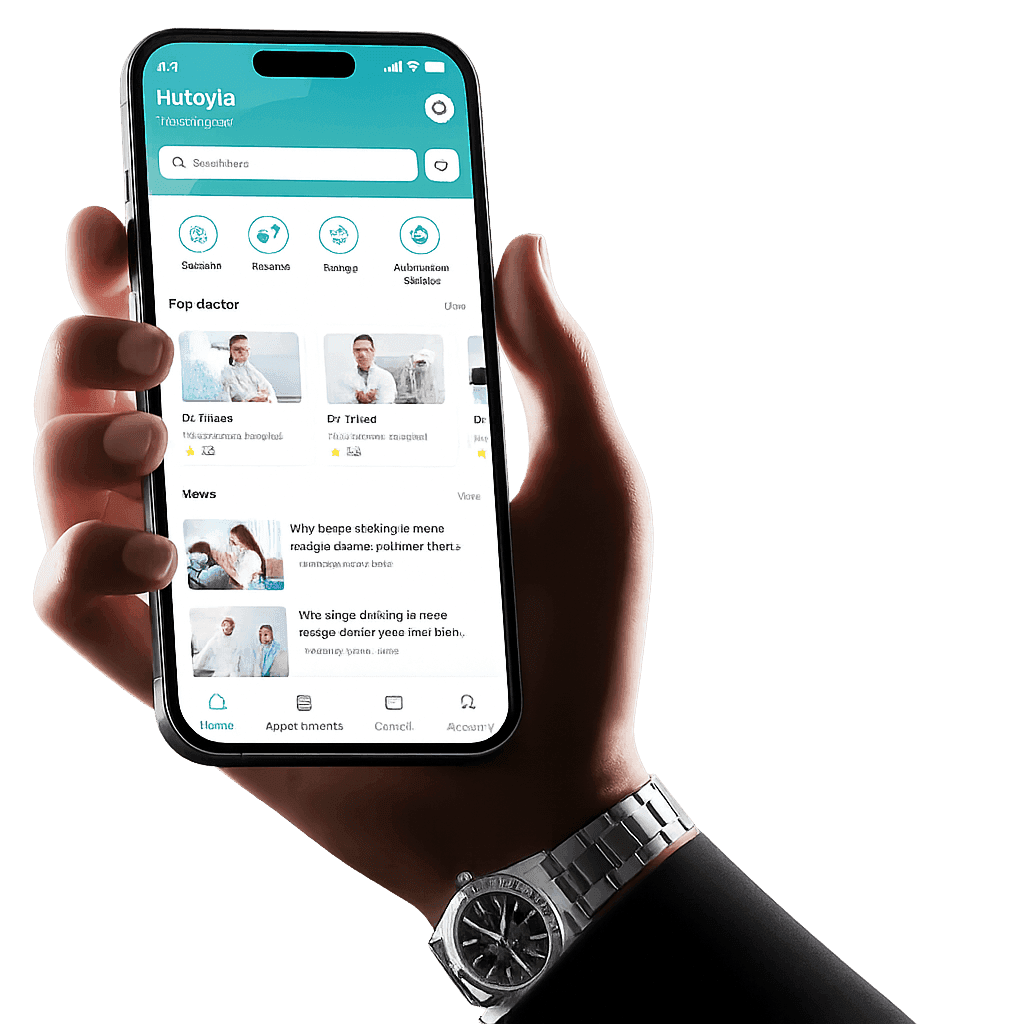
Six engagements covering the work most Washington DC products need, from a first build to taking over one that has outgrown the team that started it.
Swift apps built for the current iOS release and the two behind it, with App Store review handled as part of the work rather than as a surprise at the end.
Kotlin apps tested against the device mix your users actually carry, including the mid-range hardware most crash reports come from.
Real-time state, session persistence and the tuning that decides whether a game feels responsive on a three-year-old handset.
One Dart codebase across iOS and Android where the interface is custom enough that a shared renderer is an advantage rather than a compromise.
Patient data modelled for the access rules it answers to, with audit trails and encryption designed in at the start rather than before a review.
React Native for teams who already write React, so the app and the web product can share logic, conventions and reviewers.
Next-generation is a claim worth distrusting. What it means here is narrower and checkable: apps that keep working when the network does not, that survive an OS release without an emergency patch, and that a different team could pick up and extend.
We build to that standard because DC work outlives the contract that started it. Someone else will own this in two years, and the handover should cost them notice rather than a rewrite.









Work we have shipped and can talk about in detail — what the constraint was, what we built, and what it changed.
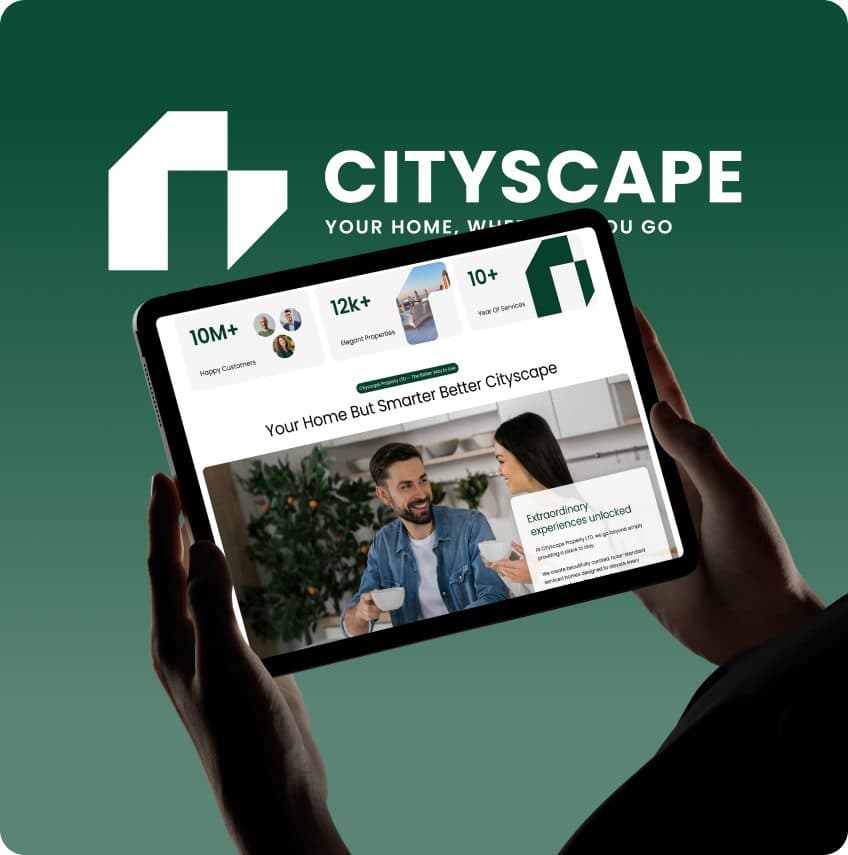
Verified rent and sale listings, location and price filters, and OTP sign-in that keeps onboarding quick.
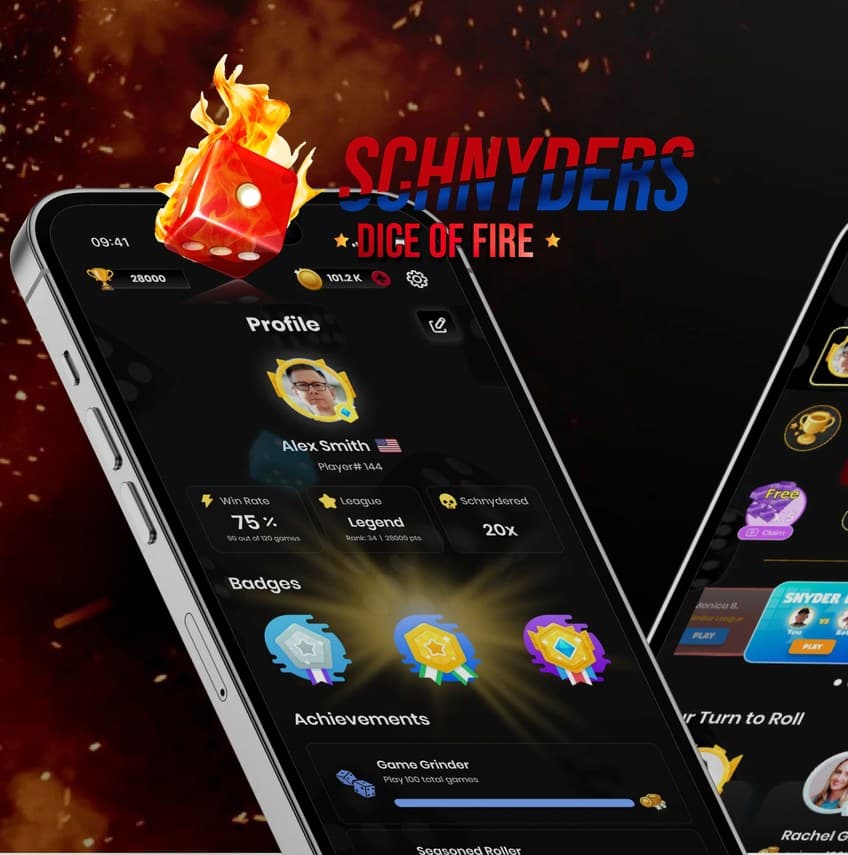
View Case StudyA competitive multiplayer dice game for iOS and Android, with tournaments, leaderboards and friend challenges.
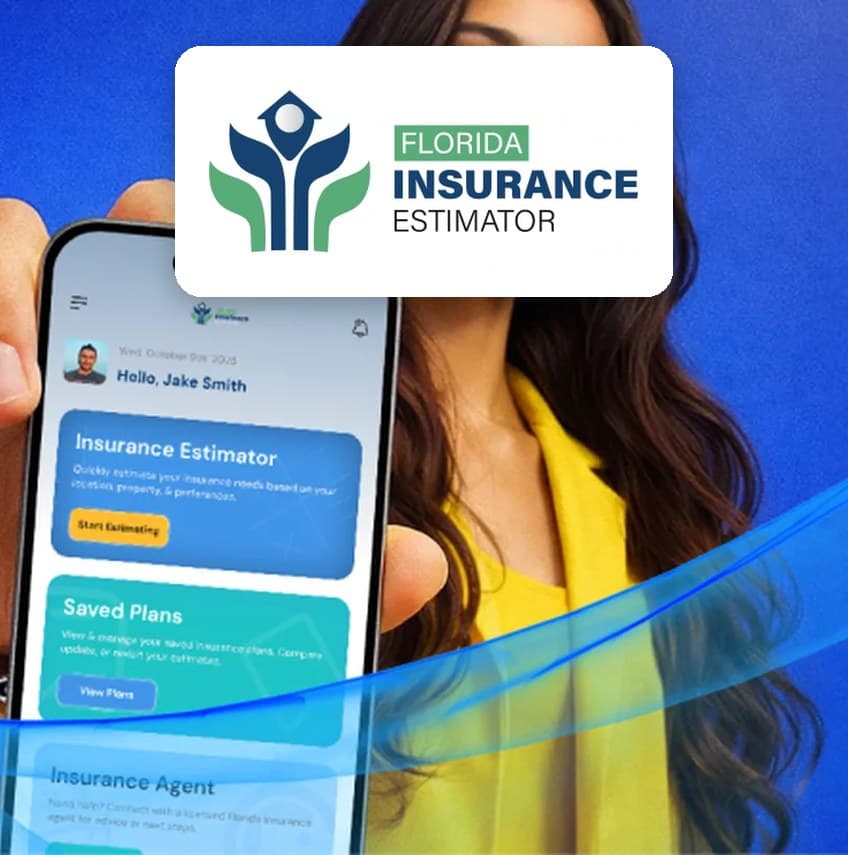
View Case StudyAn insurtech platform across web, iOS and Android that estimates cover before a homeowner asks for a quote.
View Case StudyA wellness product built for daily use, where the retention problem is the design problem.
A parenting app whose content has to be as trustworthy as it is easy to reach at 3am.
Fleet and dispatch, designed for a dropped signal and a locked screen before anything else.
Most DC projects stall in the same place: a requirement nobody can confirm, held by a stakeholder nobody has asked. We find those before the estimate, not during the build.
What you get is a written scope with the unknowns named as unknowns, and a sequence that puts the riskiest assumption first rather than last.
Scope, stakeholders and the one job the first release has to do well.
Screens and states, prototyped far enough to test before anything is built.
Engineering in two-week increments, each ending in a build you can open.
DC's software problems are rarely about scale. They are about proof — who touched what, under which authority, and whether the record will stand up later.
We design for that first: identity and audit before features, because retrofitting either one costs more than building it in.
Recognized for delivering high-quality software, mobile applications, and digital products that help businesses turn ideas into working technology. Our achievements reflect the experience, technical expertise, and commitment behind the products we build for startups, growing businesses, and established organizations.

America's Fastest Growing Companies
America's Fastest Growing Top Web Development Agencies 2023

Silver Awards Winner 2020

Top 1000 Companies

Top Mobile App Development Company 2023

Top Entertainment App Developers

Best Mobile App Developer

Top App Development Companies

Web Excellence Awards
Top Entertainment App Developers
Excellence in Web Creativity & Digital Communication
Tell us what you have — a specification, a prototype, or a problem you have not scoped yet. We will come back with an honest view of effort and order.
Government, healthcare, associations and the startups that sell into them — the sectors where DC software actually concentrates.






Because the parts that sink DC projects — procurement timelines, accessibility conformance, security review — are scoped at the start rather than discovered in month three.
And because the engineers who make the decisions are the people you talk to. Nothing is subcontracted onward, and everything is built to be handed over.
Walk through the problem with the engineers who would build it. If a call is easier, that works too — either way you are talking to the people who write the code.

$10,000 to $49,999
Dec 2024 – Sep 2025
Reviews collected and verified by Clutch, the independent B2B ratings platform — not testimonials we selected ourselves.
5.0
Quality
5.0
Schedule
5.0
Cost
5.0
Refer
5.0
“They really took the time to understand our business, our customer base, and our goals.”
Published on Clutch, where the full review and its ratings can be read in context.
President, Supplement King
Canada
11-50 Employees
Verified
Each project is unique. Typical engagements range from 4-12 weeks depending on complexity, scope and the number of platforms involved. We give a dated plan after the scoping call rather than a range.
Tell us what you are building, who it is for and when it needs to be live. You will get a written scope, a realistic range, and a named engineer on the call rather than a sales deck.

[App Developers in Washington DC]
We build iOS, Android and cross-platform apps for Washington DC organisations — government contractors, associations, health systems and the startups around them. Work that has to clear procurement, accessibility and security review is work we scope for from the start.
Six engagements covering the work most Washington DC products need, from a first build to taking over one that has outgrown the team that started it.

Swift apps built for the current iOS release and the two behind it, with App Store review handled as part of the work rather than as a surprise at the end.

Kotlin apps tested against the device mix your users actually carry, including the mid-range hardware most crash reports come from.

Real-time state, session persistence and the tuning that decides whether a game feels responsive on a three-year-old handset.

One Dart codebase across iOS and Android where the interface is custom enough that a shared renderer is an advantage rather than a compromise.

Patient data modelled for the access rules it answers to, with audit trails and encryption designed in at the start rather than before a review.

React Native for teams who already write React, so the app and the web product can share logic, conventions and reviewers.
Next-generation is a claim worth distrusting. What it means here is narrower and checkable: apps that keep working when the network does not, that survive an OS release without an emergency patch, and that a different team could pick up and extend.
We build to that standard because DC work outlives the contract that started it. Someone else will own this in two years, and the handover should cost them notice rather than a rewrite.
Work we have shipped and can talk about in detail — what the constraint was, what we built, and what it changed.
Most DC projects stall in the same place: a requirement nobody can confirm, held by a stakeholder nobody has asked. We find those before the estimate, not during the build.
What you get is a written scope with the unknowns named as unknowns, and a sequence that puts the riskiest assumption first rather than last.
Scope, stakeholders and the one job the first release has to do well.
Screens and states, prototyped far enough to test before anything is built.
Engineering in two-week increments, each ending in a build you can open.
Device testing, accessibility review and a rollback plan rehearsed before release.
Staged release, monitoring from day one, and capacity raised against real traffic.
DC's software problems are rarely about scale. They are about proof — who touched what, under which authority, and whether the record will stand up later.
We design for that first: identity and audit before features, because retrofitting either one costs more than building it in.
Recognized for delivering high-quality software, mobile applications, and digital products that help businesses turn ideas into working technology. Our achievements reflect the experience, technical expertise, and commitment behind the products we build for startups, growing businesses, and established organizations.

INC. 5000
America's Fastest Growing Companies
Rank Watch
America's Fastest Growing Top Web Development Agencies 2023

Horizon Award
Silver Awards Winner 2020

Clutch
Top 1000 Companies

Right Firms
Top Mobile App Development Company 2023

Top Developers
Top Entertainment App Developers

Expertise
Best Mobile App Developer

Software World
Top App Development Companies

Web Excellence
Web Excellence Awards
Top Developers
Top Entertainment App Developers
Dot Comm
Excellence in Web Creativity & Digital Communication
Tell us what you have — a specification, a prototype, or a problem you have not scoped yet. We will come back with an honest view of effort and order.
Government, healthcare, associations and the startups that sell into them — the sectors where DC software actually concentrates.
Because the parts that sink DC projects — procurement timelines, accessibility conformance, security review — are scoped at the start rather than discovered in month three.
And because the engineers who make the decisions are the people you talk to. Nothing is subcontracted onward, and everything is built to be handed over.
Walk through the problem with the engineers who would build it. If a call is easier, that works too — either way you are talking to the people who write the code.
Reviews collected and verified by Clutch, the independent B2B ratings platform — not testimonials we selected ourselves.
Each project is unique. Typical engagements range from 4-12 weeks depending on complexity, scope and the number of platforms involved. We give a dated plan after the scoping call rather than a range.
Yes. Most clients keep a support agreement after launch covering OS updates, store submissions, monitoring and a fixed allowance of change work each month. It can be ended with notice; nothing is locked in.
In Washington DC most of our work is government-adjacent, healthcare and association software. What matters more than the sector is whether the product has a clear primary action we can build and measure against.
Fixed price for a defined scope, or a monthly rate for an ongoing team. Both are quoted after a scoping call, and both come with the scope written down so a change is a visible decision rather than an invoice surprise.
Yes — regulated data, accessibility conformance, offline-first sync and third-party integrations are all work we have shipped. If something in your scope is genuinely risky we will say so before signing rather than discover it in month three.