
iOS App Development
Swift and SwiftUI, built against the devices your users carry and submitted by people who have been through App Review enough times to know what it will stop.
[San Francisco]
We build iOS, Android and cross-platform apps for Bay Area companies — the products that have to hold up under real traffic, a real security review and an engineering audience that will read your release notes.
Reviewed, rated and ranked by people who are not us — Clutch, GoodFirms and the award bodies that check the work before they hand anything out.









Most of what we are called in to fix in San Francisco is not a feature. It is an architecture that was right for ten thousand users and is now carrying two million, with a release process nobody trusts.
We take those on the same way each time: instrument first, find where the time actually goes, then change the smallest thing that moves it. Rewrites are a last resort, not an opening offer.
App Delivered
Clutch Reviews
Client Retention Rate
Clutch Rating
Six engagements covering the work Bay Area products actually ask for, from a first build to taking over a codebase that has outgrown the team that wrote it.
Swift and SwiftUI, built against the devices your users carry and submitted by people who have been through App Review enough times to know what it will stop.
Kotlin apps tested across the device mix your analytics actually show, including the mid-range hardware most crash reports come from.
Installable, offline-capable web apps for products that need reach before they need a store listing — and a route to a native build later if they earn one.
One Dart codebase across iOS and Android where the interface is custom enough that a shared renderer is an advantage rather than a compromise.
A single team, a single backlog and one release train, with the platform-specific work isolated where it genuinely has to be rather than everywhere.
React Native for teams who already write React, so the app and the web product can share logic, conventions and the same reviewers.
Work we have shipped and can talk about in detail — what the constraint was, what we built, and what it changed.
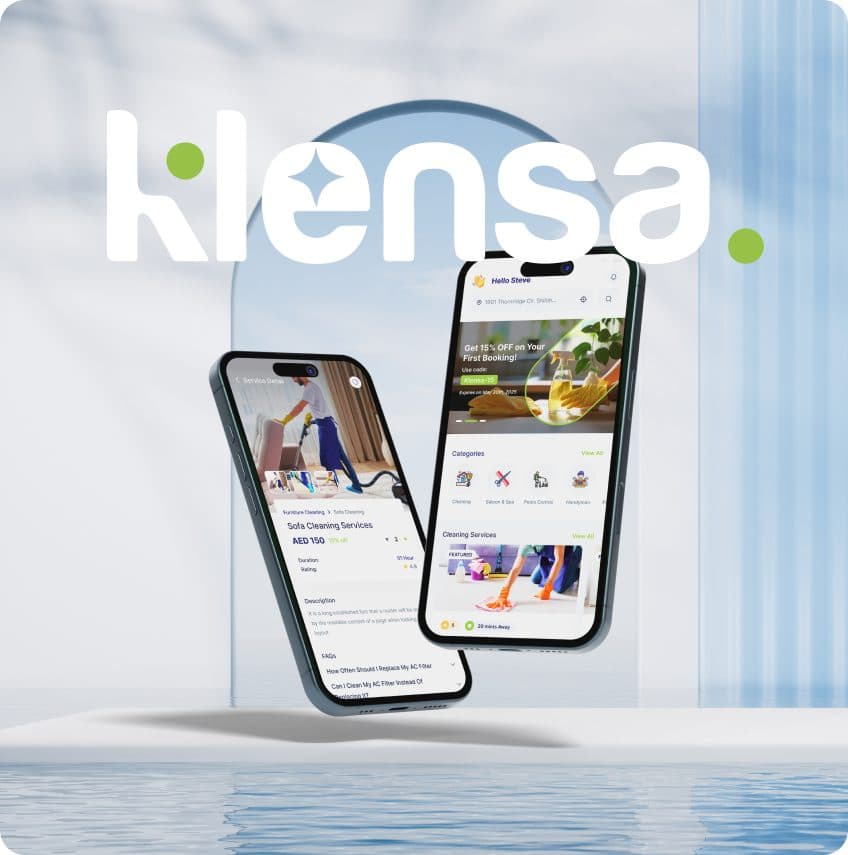
Verified rent and sale listings, location and price filters, and OTP sign-in that keeps onboarding quick.
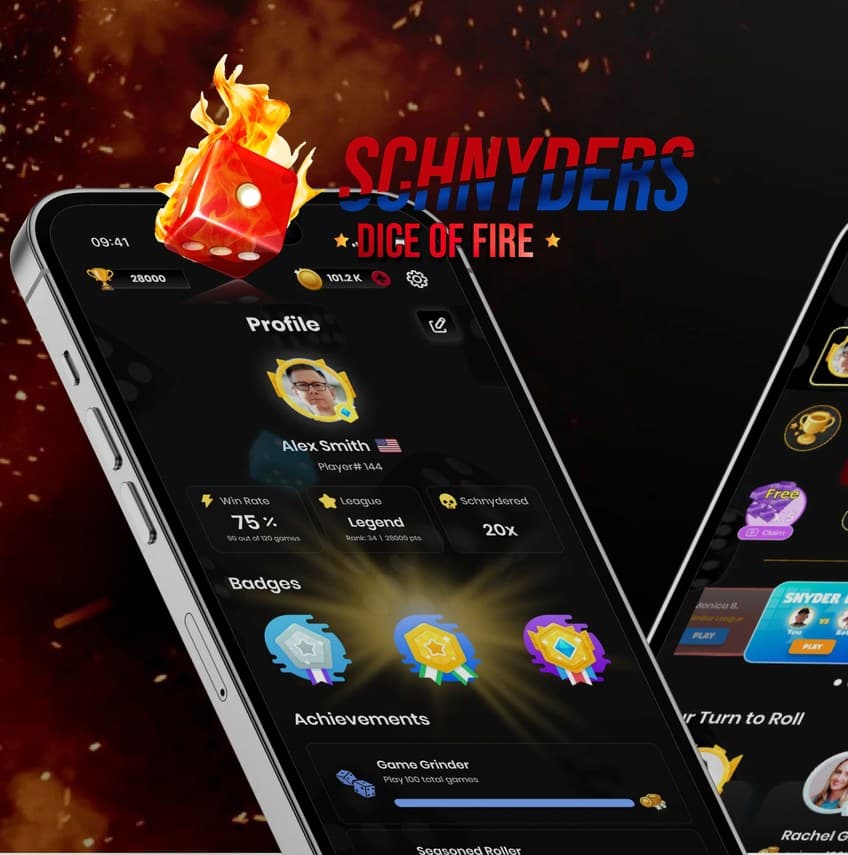
View Case StudyA competitive multiplayer dice game for iOS and Android, with tournaments, leaderboards and friend challenges.
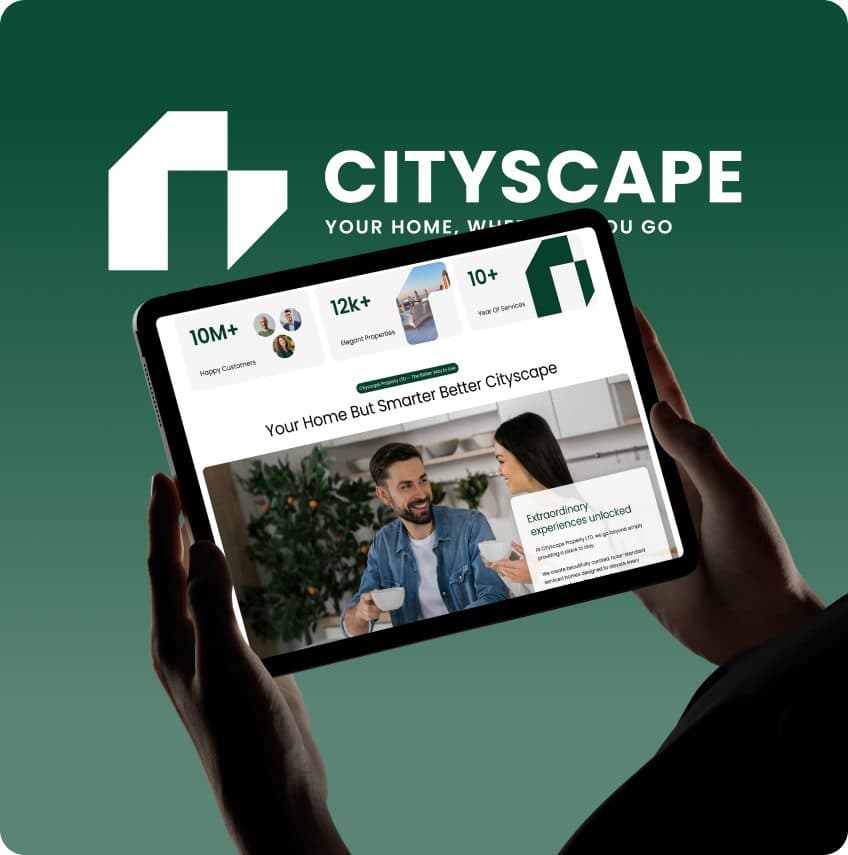
View Case StudyAn insurtech platform across web, iOS and Android that estimates cover before a homeowner asks for a quote.
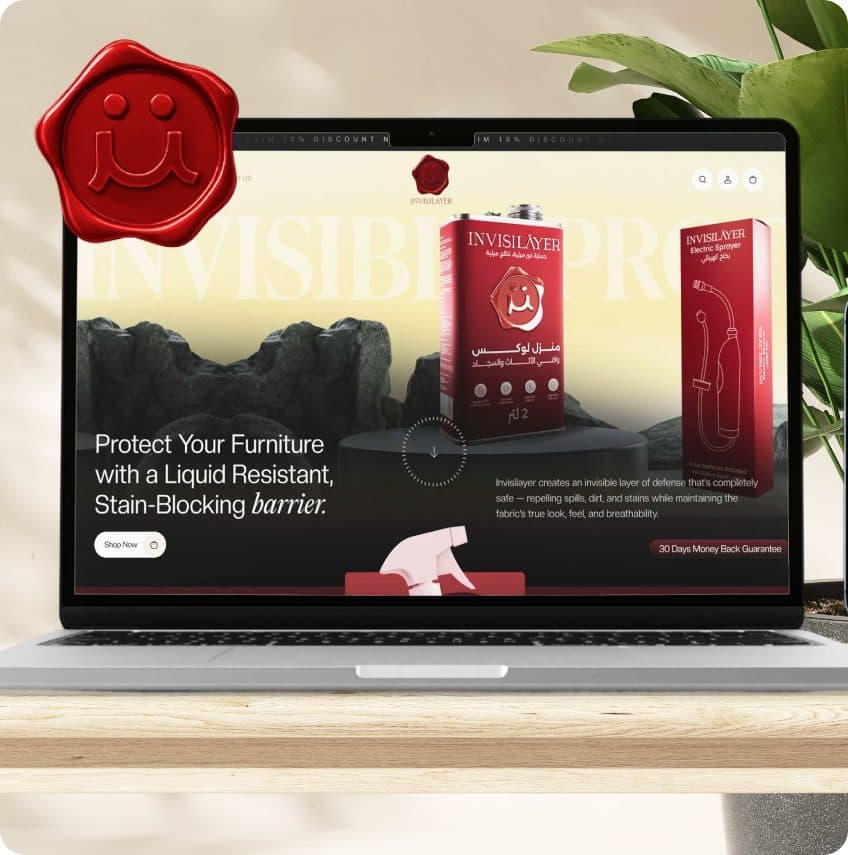
View Case StudyA wellness product built for daily use, where the retention problem is the design problem.
A parenting app whose content has to be as trustworthy as it is easy to reach at 3am.
Fleet and dispatch, designed for a dropped signal and a locked screen before anything else.
Bring a specification, a prototype, or a problem you have not scoped yet. We will come back with an honest view of effort, order and what we would leave out of a first release.
Six phases, each ending in something you can open and judge. Nothing moves forward on a status update alone.
A successful Android app starts with a clear product plan, defined users, and realistic technical requirements. During discovery, we examine your business goals, target audience, core features, user workflows, existing systems, and launch priorities. For existing apps, we review the codebase, architecture, performance, and current user experience to identify what needs to change and what can stay.
We also assess the technical requirements behind the app, including Android SDK capabilities, device compatibility, backend systems, APIs, authentication, databases, and third-party services. This surfaces technical issues before development begins rather than after significant work has already been completed.
Writing the code is the part everyone can price. The part that decides whether a product lasts is the set of decisions made before it — what the first release leaves out, what the data model has to survive, which third party you are now married to.
We argue those out in week one, in writing, with the people who will have to live with them. It is slower to start and considerably cheaper by month six.
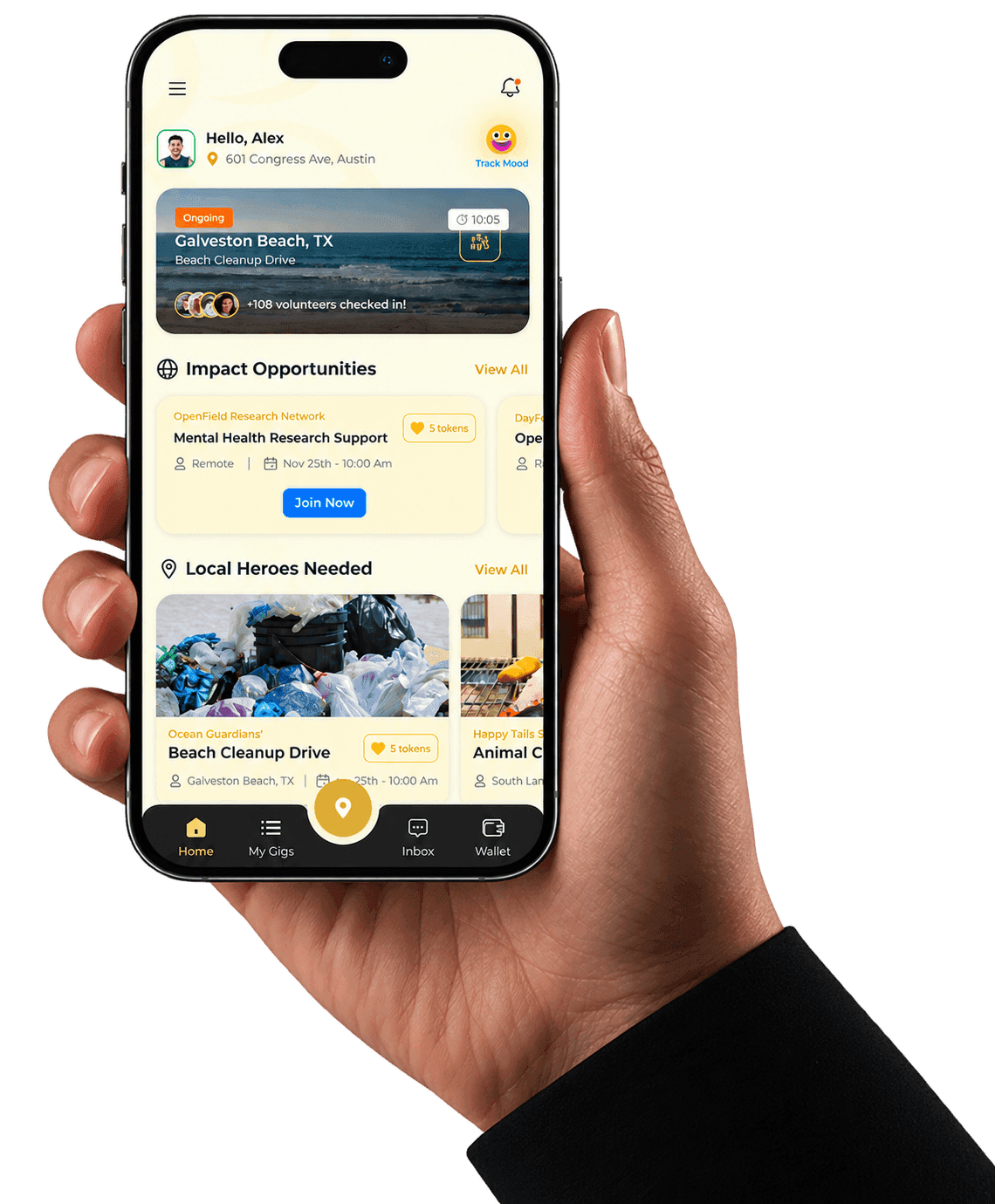











Six sectors where we have shipped enough to know the constraints before the kick-off rather than after it.






Four things that decide whether a build lands, and what we commit to on each before the first sprint.
Bay Area hours for the conversations that need them, and a delivery team that keeps moving while you sleep. You get one point of contact either way, not a handover each evening.
We scope against the one job a release has to do well. Features that cannot be tied to that job get written down for later rather than built now.
The code, the repository, the pipelines and the designs are yours from the first commit. No licensed runtime, no platform you have to keep paying us for.
Monitoring from day one, a rehearsed rollback, and a support agreement that covers OS updates and store submissions. Endable with notice; nothing locked in.
Recognized for delivering high-quality software, mobile applications, and digital products that help businesses turn ideas into working technology. Our achievements reflect the experience, technical expertise, and commitment behind the products we build for startups, growing businesses, and established organizations.
America's Fastest Growing Companies
America's Fastest Growing Top Web Development Agencies 2023

Silver Awards Winner 2020

Top 1000 Companies

Top Mobile App Development Company 2023

Top Entertainment App Developers

Best Mobile App Developer

Top App Development Companies

Web Excellence Awards
Top Entertainment App Developers
Excellence in Web Creativity & Digital Communication
Walk through the problem with the engineers who would build it. If a call is easier, that works too — either way you are talking to the people who write the code.


Each project is unique. Typical engagements range from 4-12 weeks depending on complexity, scope and the number of platforms involved. We give a dated plan after the scoping call rather than a range.
Tell us what you are building, who it is for and when it needs to be live. You will get a written scope, a realistic range, and a named engineer on the call rather than a sales deck.

[San Francisco]
We build iOS, Android and cross-platform apps for Bay Area companies — the products that have to hold up under real traffic, a real security review and an engineering audience that will read your release notes.
Reviewed, rated and ranked by people who are not us — Clutch, GoodFirms and the award bodies that check the work before they hand anything out.
Most of what we are called in to fix in San Francisco is not a feature. It is an architecture that was right for ten thousand users and is now carrying two million, with a release process nobody trusts.
We take those on the same way each time: instrument first, find where the time actually goes, then change the smallest thing that moves it. Rewrites are a last resort, not an opening offer.
800+
App Delivered
82+
Clutch Reviews
98%
Client Retention Rate
4.8/5
Clutch Rating
Six engagements covering the work Bay Area products actually ask for, from a first build to taking over a codebase that has outgrown the team that wrote it.

Swift and SwiftUI, built against the devices your users carry and submitted by people who have been through App Review enough times to know what it will stop.

Kotlin apps tested across the device mix your analytics actually show, including the mid-range hardware most crash reports come from.

Installable, offline-capable web apps for products that need reach before they need a store listing — and a route to a native build later if they earn one.

One Dart codebase across iOS and Android where the interface is custom enough that a shared renderer is an advantage rather than a compromise.

A single team, a single backlog and one release train, with the platform-specific work isolated where it genuinely has to be rather than everywhere.

React Native for teams who already write React, so the app and the web product can share logic, conventions and the same reviewers.
Work we have shipped and can talk about in detail — what the constraint was, what we built, and what it changed.
Bring a specification, a prototype, or a problem you have not scoped yet. We will come back with an honest view of effort, order and what we would leave out of a first release.
Six phases, each ending in something you can open and judge. Nothing moves forward on a status update alone.
Writing the code is the part everyone can price. The part that decides whether a product lasts is the set of decisions made before it — what the first release leaves out, what the data model has to survive, which third party you are now married to.
We argue those out in week one, in writing, with the people who will have to live with them. It is slower to start and considerably cheaper by month six.
Six sectors where we have shipped enough to know the constraints before the kick-off rather than after it.
Catalogue, checkout and fulfilment, with the inventory and payment systems you already run treated as fixed points rather than things to replace.
Consultations, records and messaging built against the access rules they answer to, with audit trails and encryption designed in rather than added before a review.
Ledgers that reconcile, authentication that holds up to a penetration test, and a transaction path you can reason about under load.
Live tracking, dispatch and the offline behaviour a courier app needs in a basement — the part that decides whether drivers keep using it.
Listings, viewings and document flow, connected to the MLS and CRM feeds the business already depends on rather than a copy of them.
Dashboards, approvals and secure access extending a platform onto mobile, with SSO and device management treated as requirements rather than extras.
Four things that decide whether a build lands, and what we commit to on each before the first sprint.

Bay Area hours for the conversations that need them, and a delivery team that keeps moving while you sleep. You get one point of contact either way, not a handover each evening.
We scope against the one job a release has to do well. Features that cannot be tied to that job get written down for later rather than built now.
The code, the repository, the pipelines and the designs are yours from the first commit. No licensed runtime, no platform you have to keep paying us for.
Monitoring from day one, a rehearsed rollback, and a support agreement that covers OS updates and store submissions. Endable with notice; nothing locked in.
Recognized for delivering high-quality software, mobile applications, and digital products that help businesses turn ideas into working technology. Our achievements reflect the experience, technical expertise, and commitment behind the products we build for startups, growing businesses, and established organizations.
INC. 5000
America's Fastest Growing Companies
Rank Watch
America's Fastest Growing Top Web Development Agencies 2023

Horizon Award
Silver Awards Winner 2020

Clutch
Top 1000 Companies

Right Firms
Top Mobile App Development Company 2023

Top Developers
Top Entertainment App Developers

Expertise
Best Mobile App Developer

Software World
Top App Development Companies

Web Excellence
Web Excellence Awards
Top Developers
Top Entertainment App Developers
Dot Comm
Excellence in Web Creativity & Digital Communication
Walk through the problem with the engineers who would build it. If a call is easier, that works too — either way you are talking to the people who write the code.
Each project is unique. Typical engagements range from 4-12 weeks depending on complexity, scope and the number of platforms involved. We give a dated plan after the scoping call rather than a range.
Yes. Most clients keep a support agreement after launch covering OS updates, store submissions, monitoring and a fixed allowance of change work each month. It can be ended with notice; nothing is locked in.
In San Francisco most of our work is fintech, enterprise SaaS, healthcare and marketplaces. What matters more than the sector is whether the product has a clear primary action we can build and measure against.
Fixed price for a defined scope, or a monthly rate for an ongoing team. Both are quoted after a scoping call, and both come with the scope written down so a change is a visible decision rather than an invoice surprise.
Yes — high-traffic systems, regulated data, real-time infrastructure and third-party integrations are all work we have shipped. If something in your scope is genuinely risky we will say so before signing rather than discover it in month three.