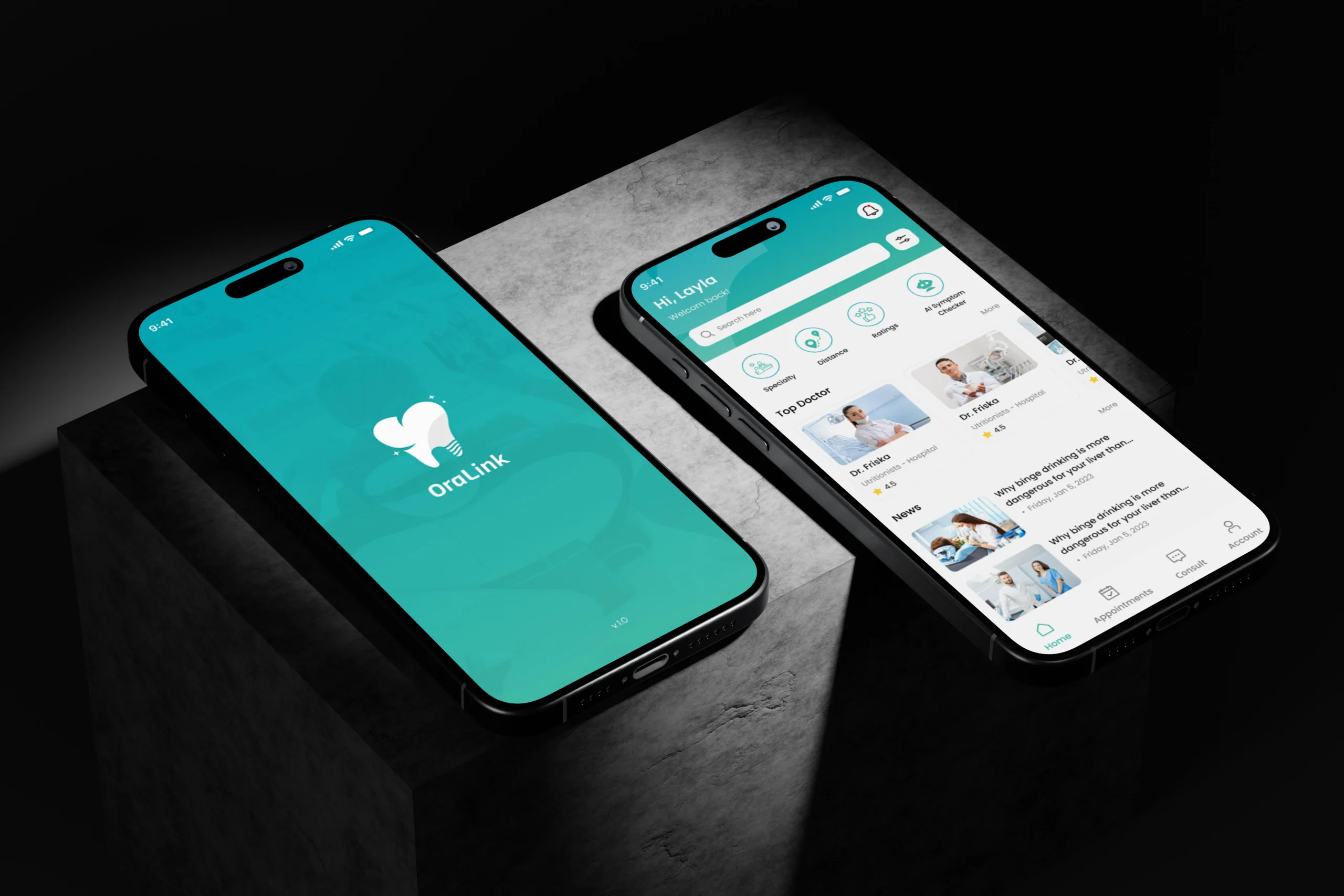
Understanding Mobile Technology in Healthcare and Its Real-World Impact
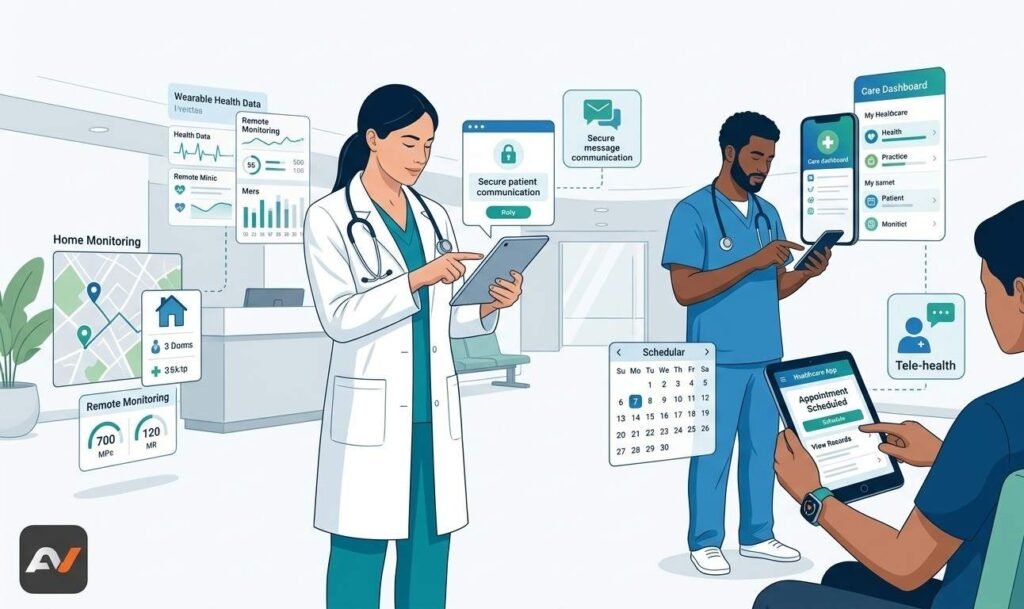
Healthcare is no longer limited to desktop systems, paper-based workflows, or face-to-face communication alone. Increasingly, care teams, patients, and healthcare organizations rely on smartphones, tablets, wearable devices, and app-based systems to support everyday clinical and operational tasks. Because of that, mobile technology in healthcare has grown from a helpful extra into a meaningful part of modern care delivery. The World Health Organization describes digital health as the use of digital technologies to help improve health, and it notes that these tools can make health systems more efficient, sustainable, and capable of delivering better-quality care. At the same time, mobile healthcare technology is often discussed too broadly. Some people view it only as telehealth apps or patient portals. Others treat it mainly as a convenience feature. In reality, mobile technology has a much wider impact. It can support communication between clinicians, help patients stay engaged between visits, improve access to records and services, enable remote monitoring, and strengthen decision-making in day-to-day care. Research published in PubMed Central also highlights the growing use of mobile health apps, wearable devices, and patient-generated health data in care delivery and disease management. So, understanding the real-world impact of mobile technology in healthcare means looking beyond the device itself. It means examining how mobile tools fit into actual care experiences, operational workflows, and long-term health system goals. What mobile technology in healthcare actually includes When people hear the phrase mobile technology in healthcare, they often think first of health apps on smartphones. That is certainly part of it, but the category is broader than that. It includes patient-facing and provider-facing technologies such as: WHO’s digital health guidance makes it clear that mobile and wireless technologies can support health service delivery, while peer-reviewed literature shows that mobile tools are increasingly used for monitoring, communication, data collection, and clinical support. That is why the value of mobile technology should not be measured only by whether an app exists. Instead, it should be measured by whether the technology helps people access care more easily, communicate more clearly, or manage health more effectively. Why mobile technology matters so much in healthcare Healthcare is a field where timing, coordination, and continuity matter constantly. Patients need access to information outside appointments. Clinicians need immediate access to data and communication tools as they make care decisions. Health systems need better ways to handle rising demand while still maintaining the quality of care they provide. As a result, mobile technology matters because it helps close some of the gaps between visits, departments, and care settings. WHO has stated that digital tools can strengthen health systems and support informed decision-making by individuals, the health workforce, and health organizations. Likewise, WHO Europe has highlighted evidence showing that digital tools, including mobile technologies and telemedicine, can improve health workers’ performance and skills. That does not mean mobile technology solves every healthcare problem. However, it does show that mobile tools have become a practical part of care delivery rather than simply an added convenience. Real-world uses of mobile technology in healthcare Patient communication and engagement One of the most visible impacts of mobile technology is improved patient engagement. Mobile apps can give patients a simpler way to schedule care, review instructions, access useful information, receive reminders, and communicate with providers. In many cases, that can reduce missed appointments, improve follow-up, and make care feel more connected. This is especially important because healthcare does not happen only during appointments. Many outcomes depend on what happens between visits. Mobile tools can support that in ways older systems could not. Remote patient monitoring Another major use case is remote monitoring. Mobile-connected devices and wearables can track health data outside the clinic, giving providers more visibility into how patients are doing over time. Research on patient-generated health data from mobile technologies suggests that these tools can help support health management and guide clinical decisions, particularly for individuals living with long-term conditions. This can be especially valuable for areas like chronic disease management, post-discharge follow-up, cardiac care, diabetes support, and other situations where continuous observation is important. Clinical communication and workflow support Mobile technology also affects provider workflows. Clinicians increasingly use smartphones and mobile apps for communication, reference, coordination, and decision support. A recent scoping review found that physicians are using smartphones and mobile apps in clinical practice in ways that can influence care quality and outcomes. Similarly, research on healthcare-specific mobile communication tools found that mobile technologies can help support coordination during care delivery. At the same time, while a lot of attention goes to patient-facing apps, the impact on providers is equally important. Better access to care Mobile technology can also help extend care to people who face barriers related to distance, time, mobility, or healthcare access. WHO has repeatedly emphasized that digital and mobile health can help expand access, especially for vulnerable or underserved populations. At a practical level, mobile technology can help deliver care and information more smoothly by supporting remote appointments, follow-up communication, triage from a distance, patient learning, and simpler access to important health services and records. For some patients, especially those in rural or underserved settings, that can make a meaningful difference. The real benefits of mobile technology in healthcare The biggest benefit is not simply convenience. What truly stands out is how these tools can improve continuity, visibility, and timely response across the healthcare experience. Some of the most meaningful benefits include: WHO’s digital health guidance consistently presents these tools as part of building health systems that are more resilient, efficient, and better equipped to deliver quality care. At the same time, peer-reviewed reviews suggest that mobile and digital health interventions can improve healthcare delivery processes, although the strength of outcomes can vary depending on design, context, and implementation quality. That matters because the technology itself is not what creates the real benefit. Good implementation is. Where mobile technology in healthcare still faces challenges Even though the benefits are real, mobile healthcare technology is not automatically effective just because it is digital. Some of