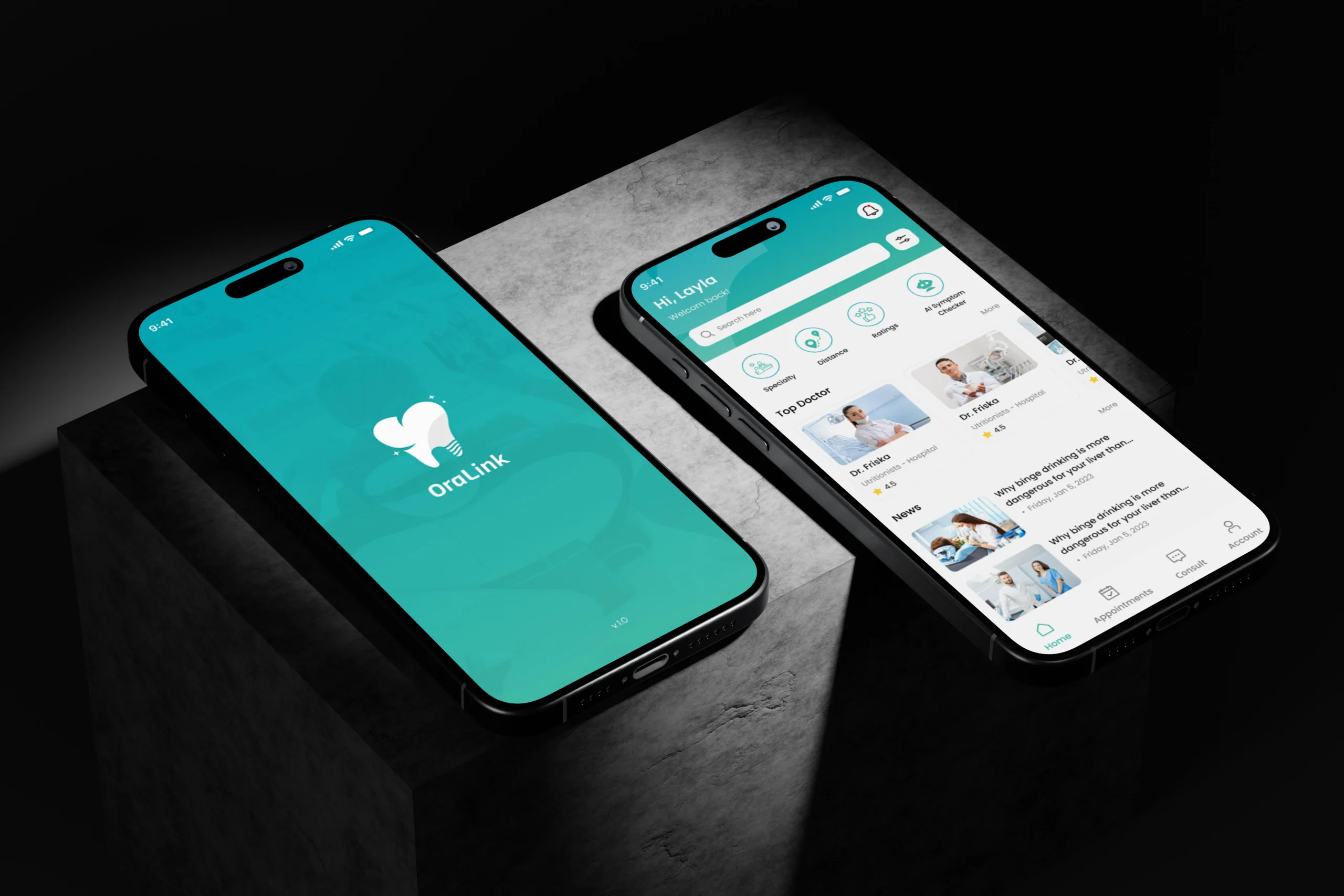
What Houston Startups Should Know Before Building an App

For many founders, creating an app can feel like the obvious next move. Once the idea is in place and the excitement is high, it can seem like development should begin as soon as possible. However, moving too quickly into product development can create expensive problems later. An app can seem polished on the surface and still fall short if the business model lacks clarity, the demand is weak, or the product is aimed at the wrong problem. That is why Houston startups should spend time getting the basics right before writing code. The U.S. Small Business Administration makes this point clearly: market research and competitive analysis help businesses understand customers, define what makes them different, and build a stronger competitive position. In other words, the app itself should come after strategy, not before it. This matters even more in Houston, where the startup and business environment is broad, competitive, and shaped by industries like healthcare, energy, logistics, manufacturing, aerospace, and professional services. The Greater Houston Partnership’s 2025 regional facts publication highlights how diverse the region’s economy is, which means founders have real opportunities but also need clearer positioning if they want to stand out. So, before committing time and budget to app development, founders should step back and answer a more important question: what does the business actually need in order to grow? Start with the problem, not the product One of the biggest mistakes early-stage founders make is assuming the app itself is the business. In reality, the app is only one part of the solution. The real starting point is the problem you are solving and the person you are solving it for. Y Combinator’s startup guidance repeatedly emphasizes this idea. Founders are encouraged to talk to users first, understand the problem in detail, and build something people genuinely want instead of assuming the first version of the idea is already correct. That advice matters because many startups waste time building features before confirming there is enough demand for the product at all. For Houston startups, this means the planning stage should answer a few practical questions: If those answers still aren’t clear, then starting app development may not be the right first move. Know your market before you build An app idea may sound promising, yet it still needs market context. SBA planning guidance highlights market research and competitive analysis as essential because they help businesses identify customers and understand their competition. Without that groundwork, it becomes far more difficult to tell whether the app is solving a real need or simply entering an already crowded market without a strong point of difference. For Houston startups, market awareness should be both local and industry-specific. The city’s startup opportunities are often tied to real business pain points in sectors that already dominate the local economy. That means a startup building for Houston healthcare, logistics, industrial operations, or energy-related workflows may have a clearer path than one chasing a broad, undefined consumer app idea. So before building, founders should look at: That kind of planning supports stronger product-market fit, which is far more important than launching quickly with the wrong assumptions. Validate demand before committing too much budget Startups often assume the best way to validate an idea is to build the app and see what happens. However, that is usually one of the most expensive ways to learn. A better approach is to validate demand in smaller, faster ways first. Y Combinator’s MVP and product planning advice points founders toward lean validation methods, such as talking to users, using simple prototypes, testing interest with a landing page, or narrowing the product to its most essential function. Even without building the full product, startups can learn whether the core idea is strong enough to move forward. For Houston startups, startup product validation could include: This step helps founders avoid unnecessary spending and gives them more confidence before moving into full development. Be realistic about scope Another major issue is scope. Founders often picture the first version of the app handling every feature all at once. While that sounds exciting, it usually creates delays, budget stress, and a harder launch. A smarter approach is to define the core use case first. What is the one main thing the app must do well? What would make the product valuable right away for an early user? These questions are more valuable than building a long feature list. This is where early-stage product planning matters. A startup does not need a giant feature set on day one. It needs a focused product that is easy to understand, practical to use, and capable of showing real value. The more tightly scoped the first version is, the easier it becomes to test, improve, and grow without overbuilding. Understand the business model before launch A good app idea and a sustainable business are not always the same thing. Before development begins, founders should understand how the app connects to revenue, retention, and long-term growth. That means asking: CB Insights’ startup failure research continues to show that problems like lack of market need, running out of cash, and getting outcompeted remain common reasons startups fail. Those are not just product issues — they are business issues. So, before a Houston startup builds an app, it should know how the app supports the business model, not just the brand story. Think about launch before development begins Many founders focus heavily on building and leave launch planning for later. That usually creates unnecessary problems. A better app launch strategy starts before development begins because the launch depends on decisions made much earlier. For example: If those questions are ignored, the startup may launch something functional but fail to create traction. In contrast, when founders think about launch early, the app can be built with stronger priorities and clearer user flows from the start. Don’t ignore operations, support, and iteration Building the first version is only the beginning. Apps require updates, monitoring, feedback loops, support, and improvement. That’s