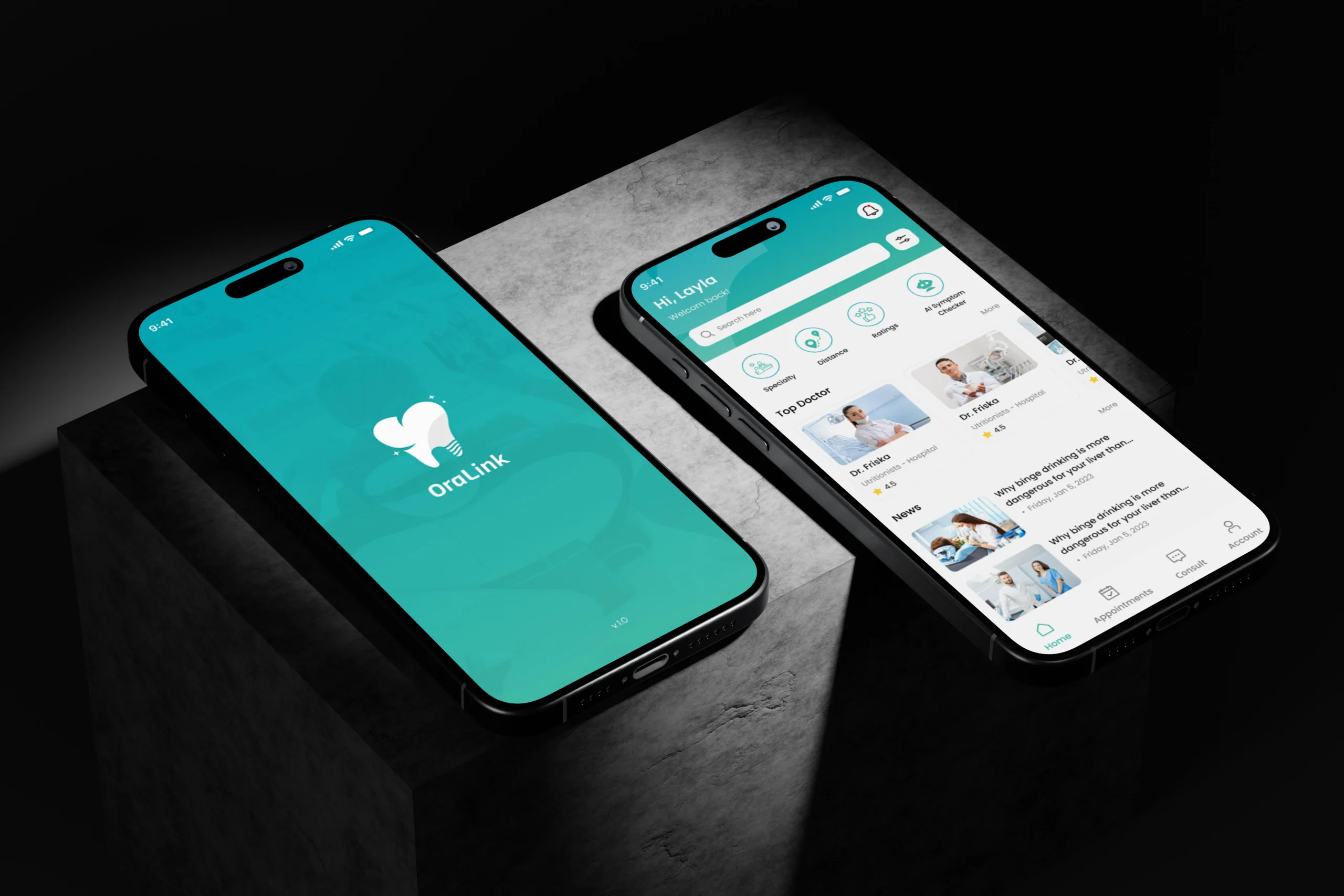
How Much Does It Cost to Build an iOS App in 2026?

If you’re planning to build an iOS app in 2026, one of the first questions that comes up is simple: how much is this going to cost? The short answer is it depends. However, that’s not always helpful when you’re trying to plan a budget or make a decision. The reality is that iOS app development cost can vary widely based on the complexity of the app, the features you need, and how it’s built. Some apps cost a few thousand dollars, while others can go well into six figures. In this guide, we’ll break it down in a practical way so you understand what actually drives costs, what to expect, and how to plan effectively. What Is the Average Cost to Develop an iPhone App? In 2026, the average cost to develop an iPhone app typically falls into these ranges: These numbers aren’t fixed, but they give you a realistic starting point. For example: What Affects iOS App Development Cost? To understand the cost to develop an iOS app, you need to look at what goes into building it. App Complexity This is the biggest cost driver. Simple Apps: Lower development cost Medium Apps: Moderate pricing Complex Apps: Higher cost Features and Functionality The more features you add, the higher the cost to create an app for iPhone. Common cost-impacting features include: Each feature requires development, testing, and maintenance. Design (UI/UX) Design plays a bigger role than many expect. A clean, intuitive interface requires: High-quality design improves user experience but also increases the iOS app development price. Backend Development Apps that store data or interact with servers need backend infrastructure. This includes: A strong backend increases both cost and long-term scalability. Development Team Location The iPhone app developers cost varies based on location. Approximate hourly rates: This is why the same app can have very different total costs. Development Time Time directly impacts budget. The longer it takes, the higher the iOS app development costs. Cost Breakdown by Development Stage To better understand the cost of iPhone app development, here’s how the budget is usually distributed: Planning & Research (10–15%) Design (15–25%) Development (40–55%) Testing (10–15%) Deployment & Maintenance (Ongoing) Cost by App Type Different app categories come with different budgets. Utility Apps E-commerce Apps Business Apps AI-Based Apps Hidden Costs You Should Know When asking how much does it cost to make an iOS app, many people overlook ongoing expenses. Maintenance Typically 15–20% of initial cost annually App Store Fees Third-Party Services Marketing Even the best app needs visibility. Can You Reduce iOS App Development Cost? Yes, but it requires smart planning. Start with an MVP (Minimum Viable Product) Instead of building everything at once: Prioritize Features Not every idea needs to be built initially. Use Existing Tools Instead of building from scratch: Choose the Right Development Approach Working with experienced teams offering structured ios application services can help avoid unnecessary costs and delays by building efficiently from the start. Common Questions About iOS App Costs How to Plan Your Budget If you’re serious about building an app, start with: This helps avoid overspending or underestimating costs. Final Thoughts The iOS app development cost in 2026 isn’t a fixed number—it’s a range influenced by decisions you make early on. From design and features to team and technology, every choice impacts the final budget. The key is not to aim for the cheapest option, but to build something that: Because in the long run, a well-built app is always more cost-effective than a cheap one that needs constant fixing.