What Is AI Transformation? A Practical Guide for Businesses in 2026
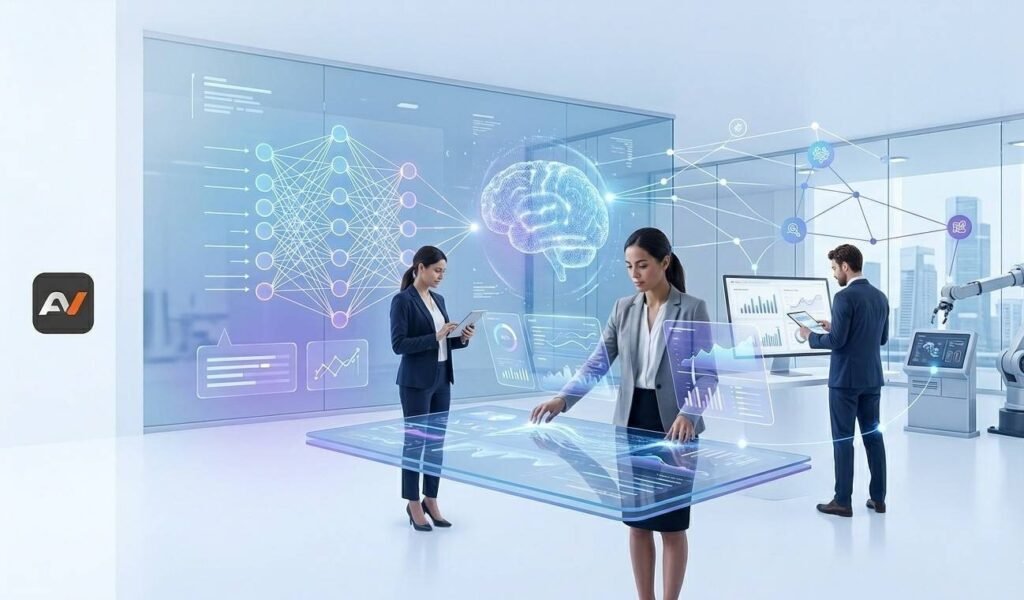
AI transformation is one of the most talked-about shifts in modern business. However, despite the growing attention, many companies still struggle to understand what it actually means in practice. Some assume it’s about adding AI tools. Others think it’s limited to automation or chatbots. In reality, transformation goes much deeper. It changes how businesses operate, make decisions, and deliver value. This guide breaks it down in simple terms—so you can understand what AI transformation really is, how it works, and what it looks like in 2026. What Is AI Transformation? It is the process of integrating artificial intelligence into business operations, systems, and decision-making to improve efficiency, scalability, and outcomes. It’s not just about using AI tools. Instead, it’s about: In short, it’s a shift from manual and reactive systems → intelligent and adaptive systems. Why AI Transformation Matters in 2026 Over the past few years, business expectations have changed. Companies are now expected to move faster, operate more efficiently, and respond to customers in real time. Because of this, traditional systems often fall short. AI transformation helps businesses: At the same time, it allows teams to focus on higher-value tasks instead of repetitive processes. How AI Transformation Works It doesn’t happen overnight. Instead, it usually takes place in stages. Identifying Business Problems The process begins by understanding where inefficiencies exist. This could be slow processes, manual tasks, or decision bottlenecks. Preparing Data AI depends on data. Before anything else, businesses need clean, structured, and usable data. Integrating Systems AI works best when connected to existing tools such as CRMs, dashboards, or internal platforms. Applying AI Models This is where AI is used to automate tasks, generate insights, or improve workflows. Continuous Optimization AI systems improve over time. Businesses refine and adjust them based on performance and feedback. AI Transformation vs Digital Transformation Creating personalized experiences based on how users interact and what they prefer Digital Transformation Focuses on digitizing processes (moving from manual to digital systems) AI Transformation Focuses on making those systems intelligent and adaptive In simple terms: Most businesses today are moving from digital transformation into AI transformation. Common Examples of AI Transformation AI transformation can look different depending on the business, but some common examples include: Customer Support Automation Using AI chat systems to handle common queries and reduce response time Predictive Analytics Analyzing data to forecast trends and improve decision-making Workflow Automation Reducing manual steps in operations through AI-driven processes Personalization Delivering tailored experiences based on user behavior and preferences Benefits of AI Transformation When implemented correctly, It can bring several advantages. Increased Efficiency Automation reduces time spent on repetitive tasks Better Decision-Making Data-driven insights improve accuracy and reduce guesswork Scalability Systems can handle growth without requiring proportional increases in resources Improved Customer Experience Faster responses and more personalized interactions Challenges Businesses Should Expect While AI transformation offers clear benefits, it’s not without challenges. Data Quality Issues AI systems rely heavily on data. Poor data leads to poor results. Integration Complexity Connecting AI with existing systems can be technically challenging Resistance to Change Teams may be hesitant to adopt new workflows Overcomplication Attempting to do too much at once can lead to avoidable complexity Because of this, a gradual and structured approach usually works best. What AI Transformation Looks Like in 2026 In 2026, AI transformation is no longer experimental—it’s becoming a standard part of business strategy. Companies are moving toward: At the same time, AI is becoming less visible. Instead of being a separate tool, it’s embedded into everyday systems. How Businesses Can Get Started For companies just beginning their journey, the key is to start simple. Focus on One Problem First Choose a clear, measurable area where AI can add value Avoid Overbuilding Not every process needs AI. Start where it makes the most impact Use Existing Data Leverage data you already have instead of trying to collect everything at once Think Long-Term AI transformation isn’t a one-time effort—it continues to evolve over time Final Thoughts AI transformation isn’t simply about adopting the newest technology. It’s about using technology in a way that improves how your business works. The companies that succeed are not the ones using the most AI—but the ones using it in the most practical and meaningful way. As we move further into 2026, AI will continue to shape how businesses operate. Understanding how it works—and how to approach it—will make all the difference.