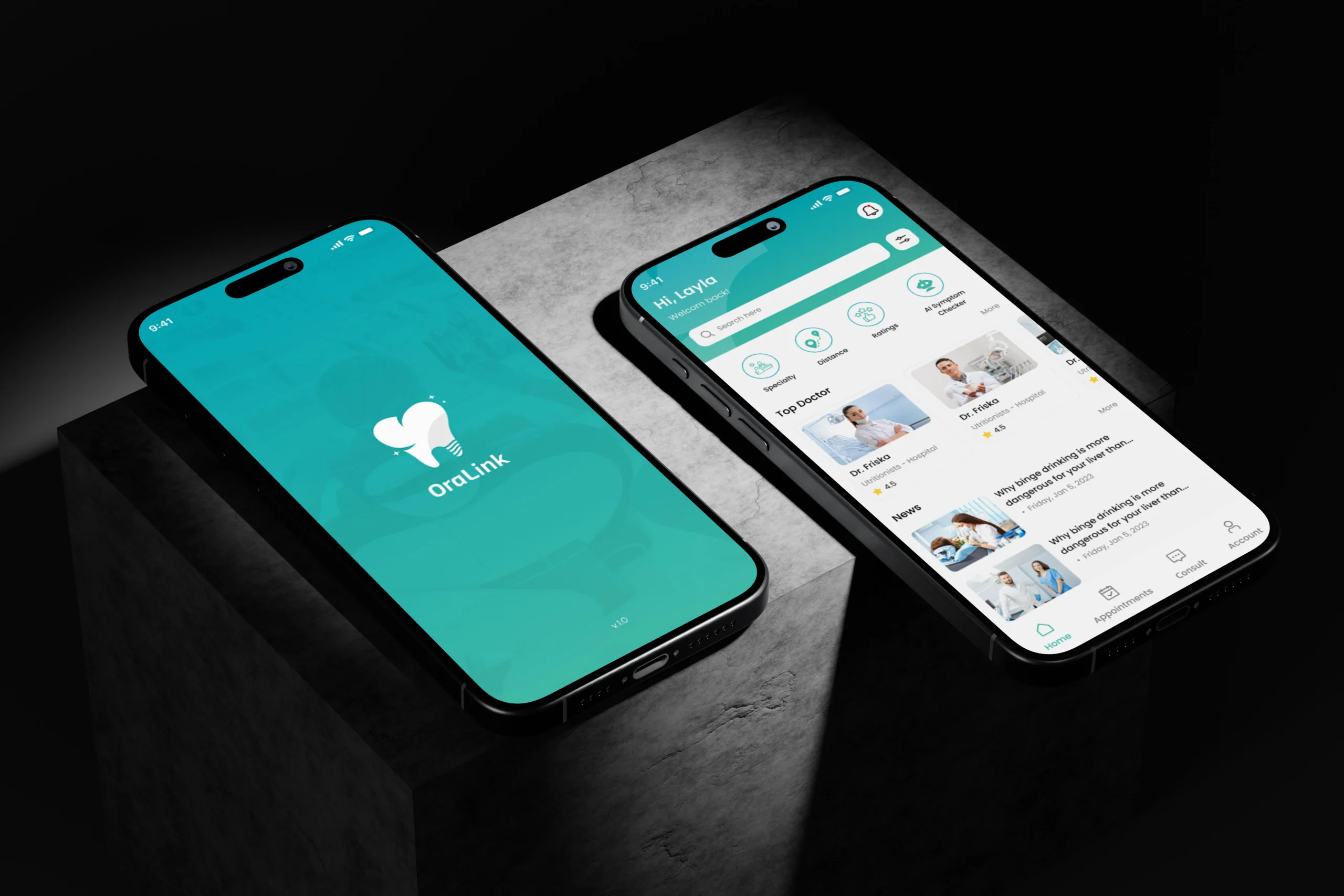
Mobile App QA: Why Automated Testing Is No Longer Optional

Introduction As mobile applications continue to dominate digital ecosystems, quality assurance (QA) has become more than just a technical necessity—it’s a strategic advantage. With users expecting near-perfect performance, seamless interfaces, and security-first experiences, companies can no longer afford to treat QA as an afterthought. In 2025 and beyond, the rise of automated testing is redefining how teams validate, optimize, and deliver mobile apps. The days of relying solely on manual testing are fading, replaced by data-driven automation frameworks that can test thousands of scenarios in minutes. This article explores how automated testing is transforming mobile app quality assurance, the tools and technologies driving it, and why it has become essential for modern development pipelines. The Evolving Landscape of Mobile App Quality Assurance The global mobile app market is set to reach $673 billion by 2030, driven by rapid digital transformation across industries. However, as applications become more complex—integrating AI, IoT, AR/VR, and blockchain—testing them manually has become increasingly unsustainable. Metric 2023 2025 (Projected) 2030 (Projected) Global Mobile App Market Value $482 billion $565 billion $673 billion Mobile QA & Testing Market $7.8 billion $10.2 billion $18.1 billion Automated Testing Adoption (Enterprises) 46% 67% 85% Source: Statista, MarketsandMarkets, World Quality Report Automation has evolved from a simple enhancement to a fundamental component of the software development lifecycle (SDLC). Businesses adopting automated testing are achieving faster time-to-market, higher stability, and reduced costs—all while meeting user expectations for flawless app experiences. Manual Testing vs Automated Testing: The New Balance Both manual and automated testing have unique strengths, but the increasing complexity of mobile ecosystems requires automation to handle repetitive, large-scale validations efficiently. Aspect Manual Testing Automated Testing Speed Slower, dependent on human testers Rapid, continuous, and scalable Accuracy Subject to human error Consistent and repeatable Cost Over Time Higher for repetitive tasks Lower in long-term projects Test Coverage Limited Wide, including regression and load testing Adaptability Better for UI/UX feedback Better for logic and performance validation Best Use Case Exploratory, usability testing Regression, performance, and functional testing While manual testing remains essential for exploratory and user-experience validation, automated testing handles most repetitive, data-heavy tasks far more effectively. Why Automation Is No Longer Optional in 2025 As mobile ecosystems evolve, so do user expectations. Today’s consumers switch apps in seconds if performance falters. Here’s why automation has become indispensable in ensuring quality: Continuous Integration and Delivery (CI/CD) Modern app development follows agile methodologies where new builds are deployed frequently. Automated tests integrated into CI/CD pipelines detect issues instantly, enabling teams to release updates without manual revalidation delays. Cross-Platform Fragmentation With multiple device types, screen sizes, and operating systems, ensuring consistent app performance is complex. Automation enables parallel testing across iOS, Android, and hybrid platforms simultaneously, drastically improving coverage. Cost Efficiency While initial setup costs for automation can be high, the ROI is significant. Over time, automation reduces repetitive manual work, cutting operational costs by up to 30–40% in large-scale projects. Speed and Scalability Automated testing scripts are capable of running thousands of test cases within just a few minutes. This ensures faster feedback loops, allowing developers to address defects early in the SDLC, saving time and resources. Reliability and Accuracy Machines don’t fatigue or overlook details. Automation ensures consistent test execution and eliminates human error—critical for complex, data-sensitive mobile applications like banking, healthcare, or logistics. The Role of QA Automation in iOS and Android App Development Automation isn’t one-size-fits-all. Different ecosystems—iOS and Android—require tailored QA strategies due to their frameworks, tools, and device fragmentation. QA in iOS App Development Apple’s strict App Store guidelines and ecosystem uniformity demand precision. Automated testing for iOS focuses on stability, UX performance, and security compliance. Frameworks like XCTest, Appium, and XCUITest help developers automate everything from UI behavior to backend data flow. Partnering with teams offering specialized iPhone apps ensures optimized QA workflows aligned with Apple’s standards. QA in Android App Development Android’s open ecosystem introduces significant testing challenges—device diversity, OS versioning, and manufacturer-level customization. Automation tools such as Espresso, Robotism, and Selenium help maintain uniform performance across devices. To achieve consistent app behavior and functionality, experienced teams offering android apps development integrate automated test pipelines that cover a wide device matrix, ensuring compatibility and speed. Popular Automated Testing Frameworks for Mobile Apps The automation ecosystem has evolved dramatically, providing developers and QA teams with a wide array of frameworks tailored for different testing needs. Framework Supported Platforms Primary Use Key Features Appium iOS, Android, Web Cross-platform UI testing Open-source, reusable test scripts Espresso Android Functional and UI testing Fast execution, native integration XCUITest iOS UI and functional testing High accuracy for native iOS apps Detox iOS, Android End-to-end testing Ideal for React Native apps Selenium Web, Mobile Web application testing Extensive language support TestComplete iOS, Android GUI and regression testing Scriptless automation Ranorex Cross-platform End-to-end automation Powerful object recognition Katalon Studio iOS, Android Multi-layer automation AI-driven test analytics These frameworks help QA teams deliver continuous quality validation, enabling faster releases without compromising reliability. Automation Across Different Testing Layers Automated testing extends beyond simple functionality checks. It spans multiple layers to ensure holistic quality assurance. Testing Layer Purpose Automation Tools Unit Testing Validate individual components JUnit, NUnit, XCTest API Testing Verify backend communication Postman, RestAssured UI Testing Test user interaction and design Appium, Espresso Performance Testing Measure speed and scalability JMeter, LoadRunner Security Testing Detect vulnerabilities OWASP ZAP, Burp Suite Regression Testing Validate app after updates Selenium, TestComplete Automation across these layers ensures end-to-end stability, reducing post-deployment issues that could damage user trust. Integrating QA Automation in the Development Lifecycle For automation to be truly effective, it must be embedded seamlessly within the SDLC. The process typically follows these stages: Step 1: Requirement Analysis Define key functionalities, performance metrics, and platforms to test. Step 2: Tool Selection Choose frameworks based on tech stack, scalability, and compatibility. Step 3: Test Script Development Create reusable, modular scripts for functional and regression testing. Step 4: Integration with CI/CD Automate build verification through Jenkins, GitLab CI, or CircleCI. Step 5: Continuous
Decentralized Healthcare Apps: How Web3 Is Empowering Patients and Providers

Introduction The global healthcare industry is undergoing one of its most significant technological shifts in history. What began as a slow digital transformation through electronic health records (EHRs) and telemedicine has now accelerated into a full-fledged movement toward decentralization. At the center of this evolution lies Web3 a new era of the internet that uses blockchain, smart contracts, and decentralized systems to empower both patients and providers. Unlike traditional systems that rely on centralized databases, decentralized healthcare apps put ownership of medical data directly into the hands of users. Patients can securely store, share, and control their health information without depending on intermediaries, while providers gain access to transparent, immutable data for better decision-making. This article explores how Web3 is reshaping healthcare app development, improving trust and efficiency, and ultimately creating a more patient-centered medical ecosystem. Understanding Web3 in Healthcare From Web2 to Web3: A Paradigm Shift To grasp the impact of decentralized healthcare apps, it’s important to understand the evolution of the web: Internet Era Core Features Healthcare Example Web1 (Static Web) Read-only websites, limited interactivity Basic medical info portals Web2 (Social Web) Centralized data, user-generated content Telehealth, EHR portals Web3 (Decentralized Web) Blockchain-based, data ownership, smart contracts Patient-owned medical records, decentralized clinical trials Web3 replaces centralized control with decentralized, peer-to-peer networks, enabling greater transparency, security, and autonomy. For healthcare, this shift means that sensitive medical data—long confined to hospital servers or third-party databases—can now be stored and accessed through decentralized applications (dApps) with full patient consent. Why Healthcare Needs Decentralization Traditional healthcare systems face persistent challenges that Web3 can help address. Data breaches, interoperability failures, and privacy violations have plagued healthcare providers for years. Key Problems with Centralized Healthcare Systems Web3 introduces a trustless architecture where transactions and data sharing occur automatically through blockchain validation—eliminating many of these pain points. The Role of Blockchain in Decentralized Healthcare Apps Blockchain serves as the foundation of Web3 technology. It provides a distributed ledger where every transaction or data exchange is verified, encrypted, and immutable. How Blockchain Transforms Healthcare Data Management Traditional Approach Blockchain-Based Approach Data stored in hospital servers Data distributed across a secure, immutable ledger Centralized access by administrators Patient-controlled access via smart contracts High risk of single-point failure Decentralized validation prevents tampering Manual verification and audits Automated through consensus mechanisms This decentralized architecture enables a transparent and secure environment for data exchange, empowering patients and healthcare providers alike. Organizations leveraging professional blockchain development are building infrastructures that comply with privacy standards such as HIPAA while ensuring decentralized ownership. Key Features of Decentralized Healthcare Apps Decentralized healthcare applications combine blockchain’s transparency with smart contracts, IoT integration, and cryptographic encryption to create robust digital solutions. Core Functionalities These features align with the growing global emphasis on data sovereignty and digital trust, allowing both patients and providers to interact securely. Web3 Use Cases Transforming the Healthcare Landscape The integration of Web3 in healthcare goes far beyond data storage—it’s revolutionizing how systems interact, incentivize, and innovate. Electronic Health Records (EHR) on Blockchain EHRs remain fragmented across institutions. Web3 enables unified, patient-owned records that can be shared instantly across borders. Providers access real-time data with patient consent, improving diagnosis and care coordination. Decentralized Clinical Trials Blockchain facilitates transparent trial management, ensuring participant anonymity and data integrity. Every entry—from patient enrollment to result verification—is recorded immutably, reducing fraud and improving reproducibility. Supply Chain Traceability Decentralized tracking helps monitor the journey of pharmaceuticals—from manufacturing to delivery. This ensures authenticity, quality, and compliance, preventing counterfeit drugs from entering the system. Telemedicine with Decentralized Identity Web3-powered apps enable verified identity checks before virtual consultations, protecting both patients and providers from impersonation or data misuse. Health Data Marketplaces Patients can choose to monetize anonymized health data, sharing it with research institutions or pharmaceutical companies through secure smart contracts. Advantages of Web3 in Healthcare Benefit Description Data Security Decentralized storage and cryptographic protection reduce breaches. Transparency Every transaction is traceable and auditable on-chain. Patient Empowerment Full control over data access and consent. Operational Efficiency Smart contracts automate administrative tasks. Reduced Costs Fewer intermediaries lower transaction and data management expenses. Global Accessibility Cross-border healthcare data sharing with universal verification. Decentralization also builds trust between stakeholders, ensuring that the patient—not the system—remains at the center of digital healthcare. Real-World Examples of Web3 in Healthcare Example 1: BurstIQ (USA) A blockchain platform that facilitates secure health data sharing between providers and researchers using smart contracts. BurstIQ’s “data wallet” allows patients to control and monetize their medical information. Example 2: Medical chain (UK) This platform leverages blockchain for EHR management, enabling doctors to access verified data instantly while patients retain control via private keys. Example 3: Solve.Care (Global) A decentralized ecosystem designed for medical billing and care coordination. It uses tokenized systems for transparent payment distribution. These examples show how blockchain-based healthcare systems are transitioning from theory to mainstream adoption. The Economics of Decentralized Healthcare The healthcare blockchain market is expected to experience exponential growth due to rising data privacy concerns and demand for transparency. Market Forecast Metric 2023 2025 (Projected) 2030 (Projected) Global Blockchain in Healthcare Market $1.5 billion $4.3 billion $14.2 billion CAGR (2023–2030) — 45.9% — Percentage of Healthcare Organizations Using Blockchain 12% 35% 70% These figures highlight the potential of decentralized technologies to reduce fraud, cut administrative costs, and enhance compliance—all while boosting innovation. The Role of Web3 Development Companies Building decentralized healthcare applications requires more than blockchain expertise; it demands a deep understanding of security, compliance, and user experience. Leading web3 development teams are now combining decentralized technologies with AI and IoT to create smart, interoperable healthcare ecosystems. Development Considerations These companies bridge the gap between healthcare innovation and decentralized infrastructure, shaping the next generation of medical technology. Integrating Web3 into Healthcare Mobile Apps Decentralization doesn’t just apply to large systems; it’s becoming a key component in mobile health app development. With the rise of remote care, mobile health apps must balance data security, interoperability, and convenience. Integrating Web3 elements—like decentralized identity verification, patient tokens, or blockchain-based